Aluminum Alloy CNC Machining Process: A Complete Guide from Design to Quality Control
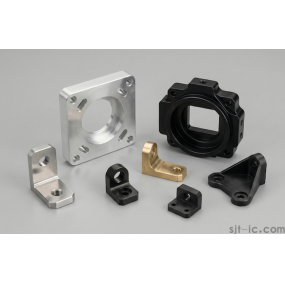
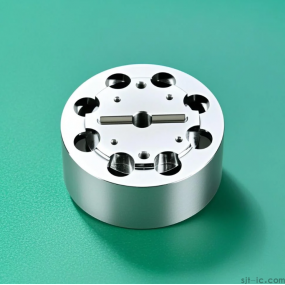
The Aluminum Alloy CNC Machining Process is widely used to manufacture high-quality parts for industries such as automotive, aerospace, electronics, medical equipment, and consumer products. Aluminum alloys are popular because they are lightweight, strong, corrosion-resistant, and easy to machine. However, many customers have concerns about machining accuracy, surface quality, production efficiency, and cost control.
Understanding the complete machining process helps manufacturers and product designers make better decisions. A well-planned process can produce aluminum alloy parts with complex shapes, tight tolerances, smooth surfaces, and stable performance. Professional CNC machining companies, such as EMAR, use advanced equipment, engineering experience, and strict inspection systems to help customers achieve reliable aluminum alloy components.
Why Understanding the Aluminum Alloy CNC Machining Process Is Important
Aluminum alloy CNC machining is more than simply cutting metal. Every step, from part design to final inspection, affects the quality of the finished product. A mistake in material choice, cutting parameters, or surface treatment can lead to problems such as poor assembly, surface defects, part deformation, or increased manufacturing costs.
A complete machining process helps solve common customer concerns:
- Precision problems: Proper machining methods and quality control ensure parts meet strict dimensional requirements.
- Surface finish issues: Correct tools and cutting parameters help achieve smooth and attractive surfaces.
- Production efficiency: Optimized processes reduce machining time and improve cost-effectiveness.
- Complex geometry requirements: CNC machines can create detailed shapes, thin walls, deep pockets, and precision features that are difficult to achieve with traditional methods.
Design Considerations in Aluminum Alloy CNC Machining
The first step of the Aluminum Alloy CNC Machining Process is product design. Before machining begins, engineers must understand the intended use of the aluminum alloy part. Different applications require different performance levels.
For example, automotive parts often need a balance between strength, weight reduction, and durability. Aerospace components usually require excellent strength-to-weight performance and strict precision control. Consumer products may focus more on appearance, lightweight design, and surface quality.
Important design considerations in aluminum alloy CNC machining include:
- Part strength: The design must support the expected loads and working conditions.
- Weight requirements: Aluminum alloys are often selected when reducing weight is important.
- Heat dissipation: Electronic housings and thermal components need designs that allow efficient heat transfer.
- Machining accessibility: Features such as holes, pockets, and angles should allow CNC tools to reach the required areas.
- Tolerance requirements: Tight tolerances should only be applied where necessary to control manufacturing costs.
Aluminum Alloy Selection for Machining
Choosing the correct aluminum alloy is a key part of successful CNC production. Different alloys have different mechanical properties, machining performance, and surface treatment results.
The main factors in aluminum alloy selection for machining include strength, corrosion resistance, machinability, and cost.
- 6061 aluminum alloy: A common choice for CNC machining because it offers good strength, corrosion resistance, and easy machining performance. It is widely used in industrial parts and structural components.
- 7075 aluminum alloy: Known for high strength and excellent performance in demanding applications such as aerospace parts.
- 5052 aluminum alloy: Provides good corrosion resistance and is often used for parts requiring forming ability and durability.
- 2024 aluminum alloy: Offers high strength and is suitable for applications requiring strong mechanical performance.
The correct material choice depends on the final application. A professional CNC machining supplier can help customers select the most suitable aluminum alloy based on performance requirements and production goals.
Step-by-Step Aluminum Alloy CNC Machining Process
1. CAD Design and Process Planning
The machining process starts with a 3D CAD model. Engineers review the design, analyze machining difficulty, and create a suitable production plan.
During this stage, engineers decide:
- Which CNC machine type is suitable.
- Which cutting tools are required.
- How the part should be positioned and fixed.
- Which machining sequence can reduce errors and improve efficiency.
2. Material Preparation
After selecting the aluminum alloy, the raw material is cut into suitable sizes. The material condition, including thickness, shape, and heat treatment status, is checked before machining begins.
3. CNC Turning Operation
CNC turning is mainly used for producing round or cylindrical aluminum parts, such as shafts, rings, and housings. During turning, the workpiece rotates while a cutting tool removes material.
Common turning tools for aluminum alloys include:
- Carbide cutting inserts for high-speed machining.
- Polished tools designed to reduce material sticking.
- Sharp-edge tools for improved surface finish.
Typical cutting parameter considerations include:
- Cutting speed: Aluminum alloys usually allow higher cutting speeds because they are softer than steel.
- Feed rate: The feed should balance machining efficiency and surface quality.
- Depth of cut: Larger depths remove material faster, while smaller depths improve finishing accuracy.
4. CNC Milling Operation
CNC milling is one of the most common operations for aluminum alloy parts. It creates flat surfaces, slots, pockets, contours, and complex 3D shapes.
Suitable milling tools include:
- Carbide end mills for high-speed cutting.
- High-performance aluminum milling cutters with polished flutes.
- Ball nose cutters for curved surfaces and complex geometries.
Optimized milling parameters help prevent poor surface quality and excessive tool wear. High spindle speeds, suitable feed rates, and proper depth of cut are important for efficient aluminum machining.
5. CNC Drilling Operation
Drilling creates precise holes for assembly and functional requirements. Aluminum alloys require sharp drills because soft materials can create chips that affect hole quality.
Common drilling tools include:
- Carbide drills for high precision and long tool life.
- High-speed steel drills for general machining applications.
- Special aluminum drills with improved chip removal designs.
6. Grinding and Precision Finishing
Grinding is used when extremely accurate dimensions or improved surface quality are required. Although aluminum is softer than many metals, careful grinding control is necessary to avoid surface damage.
Grinding tools and methods should be selected according to the required tolerance and surface roughness level.
Common Challenges in Aluminum Alloy CNC Machining
Handling Burrs in Aluminum Alloy CNC Machining
Burr formation is a common problem because aluminum is soft and can deform during cutting. Excessive burrs can affect assembly accuracy and product appearance.
Effective methods for handling burrs in aluminum alloy CNC machining include:
- Using sharp cutting tools.
- Optimizing cutting speed and feed rate.
- Applying proper tool paths.
- Using deburring tools or secondary finishing methods.
Preventing Tool Wear
Although aluminum is easy to machine, incorrect cutting conditions can cause tool damage. Built-up edges may form when aluminum sticks to the cutting tool.
Tool life can be improved by:
- Using suitable carbide tools.
- Maintaining correct cutting speeds.
- Applying proper lubrication or cooling methods.
- Replacing worn tools before they affect part quality.
Controlling Heat-Induced Deformation
Aluminum transfers heat quickly but also expands easily. Excessive heat during machining can cause dimensional changes.
To control deformation:
- Use optimized cutting parameters.
- Apply appropriate coolant methods.
- Reduce unnecessary machining stress.
- Use proper workholding methods.
Post-Machining Processes for Aluminum Alloy CNC-Machined Parts
After CNC machining, additional treatments may be required to improve performance, durability, and appearance.
Important post-machining processes for aluminum alloy CNC-machined parts include:
- Heat treatment: Improves strength, hardness, and mechanical properties of selected aluminum alloys.
- Anodizing: Provides corrosion protection, increases surface hardness, and creates decorative colors.
- Surface finishing: Processes such as polishing, bead blasting, or brushing improve appearance and surface performance.
The correct post-processing method depends on the part's working environment, appearance requirements, and functional needs.
Quality Control in Aluminum Alloy CNC Manufacturing
Quality inspection is an essential stage of the Aluminum Alloy CNC Machining Process. A reliable manufacturer checks every important feature to ensure the parts meet customer requirements.
Key areas of quality control in aluminum alloy CNC manufacturing include:
- Dimensional inspection: Coordinate measuring machines (CMM), calipers, and micrometers verify part dimensions and tolerances.
- Surface roughness testing: Surface measurement equipment checks whether the finish meets design requirements.
- Material property verification: Testing confirms the selected aluminum alloy meets strength and performance specifications.
- Visual inspection: Final checks identify scratches, burrs, or surface defects.
Choosing the Right Aluminum Alloy CNC Machining Partner
A successful aluminum CNC machining project depends on more than advanced machines. Experience in material selection, process planning, machining optimization, and quality management is equally important.
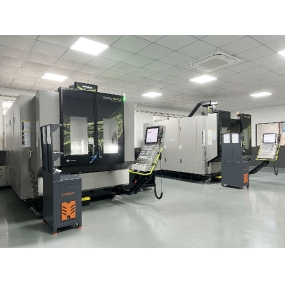
EMAR provides professional aluminum alloy CNC machining services with engineering support, precision CNC equipment, and strict quality control procedures. From prototype development to mass production, an experienced machining partner can help reduce production risks, improve part quality, and achieve efficient manufacturing results.
Conclusion
The Aluminum Alloy CNC Machining Process involves many important steps, including design analysis, material selection, CNC operations, surface treatment, and quality inspection. Each stage influences the final accuracy, appearance, and performance of the aluminum part.
By understanding machining requirements, selecting the right aluminum alloy, optimizing cutting conditions, and applying proper quality control, manufacturers can produce reliable aluminum components for demanding industries. A professional CNC machining supplier with strong technical experience can help turn complex designs into high-quality finished products efficiently.