CNC Machining Price of Electrodes: Key Factors That Affect the Cost
When companies need electrodes for electrical discharge machining (EDM), one of the first questions they ask is: “How much does CNC machining of electrodes cost?” The CNC Machining Price of Electrodes is not a fixed number. It depends on many factors, including material selection, machining time, equipment used, precision requirements, production quantity, and additional processing needs.
Understanding these factors helps buyers make better decisions, control manufacturing costs, and choose the right CNC machining partner. This article explains the main cost elements in simple language and provides practical examples for businesses that need high-quality machined electrodes.
What Is the CNC Machining Price of Electrodes?
Electrodes are important parts used in EDM processes to create accurate shapes in metal components. Common electrode materials include graphite, copper, and tungsten-copper alloys. Because electrodes often require complex shapes and high accuracy, CNC machining is widely used for production.
The final price usually includes:
- Raw material cost
- CNC machine operation time
- Programming and setup costs
- Tooling and fixture costs
- Quality inspection expenses
- Surface treatment or finishing costs
A simple electrode with a common material may have a lower price, while a complex electrode made from expensive material with strict tolerances can cost much more.
Material Cost in CNC Machining of Electrodes
The first major factor affecting electrode machining cost is the material. Different materials have different prices, machining characteristics, and application advantages.
Graphite Electrode Material
Graphite is one of the most popular electrode materials because it is lightweight, easy to machine, and performs well in many EDM applications. However, graphite quality varies. High-grade fine-grain graphite provides better surface finish and accuracy but costs more than standard grades.
For example, a simple graphite electrode for a mold component may be affordable, while a high-precision graphite electrode for aerospace or medical molds may require premium material and additional machining time.
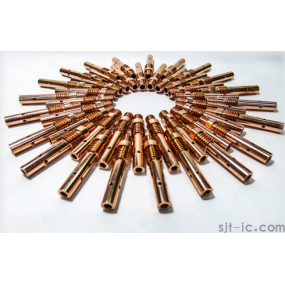
Copper Electrode Material
Copper has excellent electrical conductivity and provides stable EDM performance. It is often selected when a smooth surface finish is required. However, copper is usually more expensive than standard graphite and can require more machining effort because it is a softer metal that needs careful handling.
Tungsten-Copper Alloy Electrode Material
Tungsten-copper alloys combine the high wear resistance of tungsten with the electrical properties of copper. They are commonly used for demanding applications, such as precision molds and high-temperature environments.
Because tungsten-copper materials are more expensive and harder to process, they usually increase the overall material cost in CNC machining of electrodes. However, their longer service life can reduce replacement costs in some production environments.
- Graphite: Lower material cost, easy machining, suitable for many EDM applications.
- Copper: Medium to high material cost, excellent conductivity, good surface quality.
- Tungsten-copper: Higher material cost, strong durability, suitable for special applications.
How Machining Time Affects Electrode CNC Machining Price
Machining time is another important factor in determining the final price. CNC machining companies usually calculate costs based on machine operating hours, so longer machining time leads to higher prices.
The relationship between machining time and electrode CNC machining price depends on several factors:
- Material hardness: Hard materials require slower cutting speeds and more careful machining.
- Feature complexity: Deep cavities, thin walls, small holes, and detailed shapes require more programming and machining time.
- Precision requirements: Higher accuracy requires slower cutting, additional measurements, and more inspection steps.
For example, a simple flat electrode may be completed quickly, while a complex mold electrode with many curved surfaces may require several hours or even days of machining.
Good CNC suppliers improve efficiency through optimized tool paths and experienced programming. This helps reduce machining time without sacrificing quality.
Equipment Cost for Electrode CNC Machining
The type of CNC machine used also affects the price. Different machines have different operating costs and capabilities.
Three-Axis CNC Machining Centers
Three-axis CNC machines are commonly used for simple electrode designs. They move along the X, Y, and Z directions and are usually more affordable to operate.
Typical advantages include:
- Lower hourly machining cost
- Suitable for simple or medium-complexity electrodes
- Good choice for cost-sensitive projects
Five-Axis CNC Machining Centers
Five-axis CNC machines can move in multiple directions at the same time. They are suitable for complex electrode shapes, curved surfaces, and parts requiring fewer setups.
The equipment cost for electrode CNC machining is higher for five-axis machines because the equipment investment, maintenance, and programming requirements are greater.
However, five-axis machining can sometimes reduce total cost by shortening setup time and improving accuracy for complex parts.
Precision Impact on CNC Machining Price of Electrodes
Electrodes are often used for precision mold manufacturing, so accuracy requirements can strongly influence cost.
The precision impact on CNC machining price of electrodes becomes clear when comparing standard and high-precision parts.
Higher precision requirements may require:
- More accurate CNC machines
- Better cutting tools
- Additional inspection procedures
- More experienced operators
- Extra finishing operations
For example, an electrode requiring a normal tolerance may only need standard inspection. An electrode requiring extremely tight tolerances may need coordinate measuring machine (CMM) inspection and multiple quality checks, increasing production cost.
Customers should choose the correct tolerance level for their application. Extremely high precision is valuable when needed, but unnecessary accuracy can increase expenses.
Batch Size Effect on Electrode CNC Machining Price
The production quantity has a major impact on the unit price. This is known as the batch size effect on electrode CNC machining price.
Small-Batch Electrode Production
Small quantities usually have a higher unit price because setup costs, programming time, and fixture preparation are spread across fewer parts.
For example, producing one customized electrode requires the same initial programming work as producing ten pieces. The single-piece order must carry more of that preparation cost.
Large-Batch Electrode Production
Large production runs usually reduce the average cost per electrode. Once the CNC program, tools, and fixtures are prepared, manufacturers can produce multiple units more efficiently.
Companies ordering regular quantities can often receive better pricing because of improved production efficiency.
Other Factors That Influence Electrode Machining Cost
Surface Treatment Requirements
Some electrodes require additional surface processes to improve performance or durability. Extra polishing, coating, or finishing steps increase labor and processing costs.
A simple machined graphite electrode may need little finishing, while a copper electrode requiring a highly smooth surface may require additional polishing work.
Fixture Design Complexity
Fixtures hold the electrode securely during machining. A standard fixture is inexpensive, but unusual electrode shapes may require custom fixture design.
Complex fixtures increase preparation time and engineering costs. However, a well-designed fixture can improve machining stability and reduce production problems.
Design Data and Engineering Support
Clear CAD drawings and complete technical information help manufacturers create accurate quotations. If a supplier needs to redesign drawings, repair models, or develop special machining solutions, additional engineering costs may apply.
How EMAR Helps Control CNC Machining Costs for Electrodes
Choosing the right CNC machining partner is important for balancing price and quality. EMAR provides professional CNC machining services for electrodes, helping customers achieve reliable results with reasonable manufacturing costs.
EMAR focuses on:
- Cost-effective solutions: Selecting suitable materials, machining methods, and production strategies to reduce unnecessary expenses.
- Accurate pricing: Providing detailed quotations based on material, machining time, precision requirements, and production quantity.
- High-quality output: Using professional CNC equipment and quality control processes to ensure electrode accuracy.
For example, when a customer needs a complex copper electrode for mold production, EMAR can evaluate the design, recommend the right machining process, and balance accuracy with cost efficiency. This approach helps customers avoid paying for unnecessary processing while maintaining product performance.
Practical Tips to Reduce CNC Machining Price of Electrodes
- Select the right material: Choose graphite, copper, or tungsten-copper based on actual application needs instead of automatically choosing the most expensive option.
- Optimize electrode design: Simple and efficient designs usually require less machining time.
- Set realistic tolerances: Use high precision only where it improves product performance.
- Order suitable quantities: Larger batches often reduce the average cost per electrode.
- Work with experienced manufacturers: Professional suppliers can suggest better solutions for both cost and quality.
Conclusion
The CNC Machining Price of Electrodes depends on many connected factors, including material selection, machining time, equipment choice, precision requirements, and production volume. Expensive materials, complex designs, strict tolerances, and small quantities generally increase cost.
By understanding these factors, buyers can make smarter decisions and avoid unnecessary expenses. Working with an experienced CNC machining provider like EMAR can help achieve a good balance between price, accuracy, and product quality for electrode manufacturing projects.