
Stainless Steel CNC Machining: A Complete Guide to Precision, Quality, and Cost Control
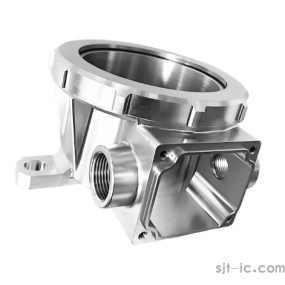
Stainless Steel CNC Machining is widely used for producing strong, precise, and corrosion-resistant parts in industries such as food processing, medical equipment, aerospace, automotive, construction, and industrial machinery. However, machining stainless steel is not always easy. Many manufacturers and buyers worry about problems such as fast tool wear, poor surface finish, high machining costs, and unstable part quality.
With the right equipment, cutting methods, material selection, and quality control system, stainless steel can be machined efficiently. Professional CNC machining suppliers, such as EMAR, use advanced CNC equipment and experienced engineering teams to help customers produce reliable stainless steel parts with tight tolerances and consistent performance.
Why CNC Machining Is Suitable for Stainless Steel Parts
Stainless steel is known for its excellent corrosion resistance, strength, and durability. These properties make it valuable for demanding applications, but they also make it harder to machine compared with softer metals like aluminum.
CNC machining is a good choice for stainless steel because it provides:
- High precision: CNC machines can maintain accurate dimensions even when cutting hard stainless steel materials. This helps create parts that fit correctly during assembly.
- Complex geometry capability: CNC milling and turning can produce detailed shapes, holes, threads, grooves, and curved surfaces that are difficult to make with traditional methods.
- Consistent quality: Computer-controlled processes reduce human error and allow manufacturers to produce large quantities of identical parts.
- Material flexibility: CNC machining can handle different stainless steel grades for various industries and applications.
For companies requiring custom stainless steel components, CNC machining offers a balance between accuracy, production efficiency, and design freedom.
Common Challenges in Stainless Steel CNC Machining
Handling Tool Wear in Stainless Steel CNC Machining
One of the biggest challenges in stainless steel machining is tool wear. Stainless steel is tough and has strong resistance to cutting forces. Some grades also contain elements that increase hardness and reduce machinability.
To improve tool life, manufacturers need to select suitable cutting tools, optimize cutting parameters, and control heat during machining. Common solutions include:
- Using carbide tools with proper coatings for better wear resistance.
- Applying suitable cutting fluids to reduce heat and friction.
- Avoiding excessive cutting pressure that can damage tools.
- Maintaining stable cutting conditions throughout production.
Proper handling tool wear in stainless steel CNC machining helps reduce downtime, lower production costs, and maintain consistent part quality.
Controlling Surface Finish Problems
Customers often require stainless steel parts with smooth surfaces, especially for applications where appearance, cleanliness, or corrosion resistance is important.
Poor surface finish can happen because of incorrect cutting speeds, worn tools, vibration, or unsuitable machining methods. Engineers solve these issues by selecting the correct tools, adjusting feed rates, and using finishing operations such as polishing or grinding.
Managing Machining Costs
Stainless steel CNC machining can cost more than machining softer materials because it requires stronger tools, slower cutting speeds, and careful process control. However, cost can be reduced through:
- Optimized part design to reduce unnecessary machining time.
- Choosing the correct stainless steel grade for the application.
- Using efficient CNC programming and production planning.
- Reducing material waste through better machining strategies.
Design Considerations for Stainless Steel CNC-Machined Parts
Good design is important for successful stainless steel machining. Engineers must consider the final application, operating environment, required strength, and manufacturing limitations.
The key design considerations for stainless steel CNC-machined parts include:
- Application requirements: Parts used in food processing need smooth, hygienic surfaces that are easy to clean. Construction components may require high strength and load-bearing capability.
- Material behavior: Stainless steel can become harder during machining because of work-hardening. Designers should avoid unnecessary machining passes and use proper cutting strategies.
- Wall thickness: Extremely thin sections may deform during machining due to cutting forces.
- Corner design: Proper corner radii can improve tool movement and reduce stress concentration.
- Tolerance requirements: Tight tolerances should only be specified where necessary because they can increase machining time and cost.
Working with experienced CNC engineers during the design stage helps prevent production problems and improves overall efficiency.
Stainless Steel Grade Selection for CNC Machining
Choosing the correct stainless steel grade is essential for achieving the right balance of performance and cost. Different grades provide different levels of corrosion resistance, strength, hardness, and machinability.
Stainless steel grade selection for CNC machining usually depends on the working environment and part requirements.
- 304 stainless steel: A popular choice with good corrosion resistance and excellent versatility. It is commonly used for food equipment, general industrial parts, and household applications.
- 316 stainless steel: Provides stronger corrosion resistance, especially in marine, chemical, and medical environments.
- 303 stainless steel: Offers improved machinability and is suitable for parts requiring easier cutting and faster production.
- 17-4 PH stainless steel: Provides high strength and is used for demanding mechanical applications.
Selecting the right grade prevents unnecessary material costs while ensuring the finished part performs correctly.
Main Machining Operations for Stainless Steel
Turning
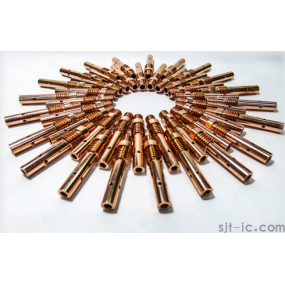
CNC turning is commonly used for producing round stainless steel components such as shafts, bushings, pins, and fittings. The cutting tool removes material while the workpiece rotates.
Important factors include:
- Using sharp carbide cutting tools.
- Maintaining stable speeds and feed rates.
- Controlling chip removal to avoid scratching the surface.
Milling
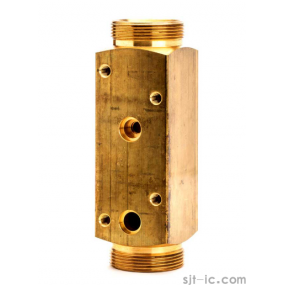
CNC milling is used to create complex stainless steel parts with slots, pockets, holes, and irregular shapes. Multi-axis CNC machines can produce highly detailed components with fewer setups.
Drilling
Drilling stainless steel requires careful control because the material can generate high cutting forces. Proper drill selection, lubrication, and steady feed rates help prevent tool damage.
Grinding
Grinding is often used as a finishing operation when extremely accurate dimensions or smooth surfaces are required. It helps improve surface quality after rough machining.
Optimized Cutting Parameters for Stainless Steel
Cutting parameters must be carefully adjusted for stainless steel machining. The exact values depend on the grade, tool material, machine capability, and part design.
- Cutting speed: Usually lower than aluminum because stainless steel generates more heat and cutting resistance.
- Feed rate: Should be controlled to balance productivity and surface quality.
- Depth of cut: Proper depth helps avoid excessive tool pressure and reduces work-hardening problems.
Experienced manufacturers like EMAR evaluate each project individually to select suitable machining conditions for stable production.
Preventing Work-Hardening and Maintaining Accuracy
Stainless steel has a tendency to work-harden. This means the surface can become harder if the cutting process is not controlled properly. Once hardened, the material becomes more difficult to cut and can increase tool wear.
Manufacturers can reduce work-hardening risks by:
- Using sharp tools and replacing worn tools quickly.
- Avoiding unnecessary tool rubbing against the material.
- Maintaining consistent cutting depth.
- Using proper coolant and chip removal methods.
These methods help maintain dimensional accuracy and improve machining reliability.
Post-Machining Processes for Stainless Steel CNC-Machined Parts
After machining, additional treatments may be required to improve performance, appearance, and durability.
Important post-machining processes for stainless steel CNC-machined parts include:
- Stress relief heat treatment: Helps reduce internal stress created during machining and improves dimensional stability.
- Surface polishing: Creates a smoother finish for applications requiring better appearance or easier cleaning.
- Passivation: Improves corrosion resistance by removing surface contaminants and strengthening the natural protective oxide layer.
The correct finishing process depends on the final use of the component. For example, food industry parts often require highly polished and easy-to-clean surfaces, while industrial components may focus more on strength and corrosion protection.
Quality Control in Stainless Steel CNC Manufacturing
Reliable quality control is essential for stainless steel parts because small errors can affect assembly, safety, and product performance.
Quality control in stainless steel CNC manufacturing usually includes:
- Dimensional inspection: Measuring critical sizes, tolerances, and geometries using precision inspection equipment.
- Surface roughness testing: Checking whether the finished surface meets required smoothness standards.
- Material verification: Confirming that the correct stainless steel grade has been used.
- Corrosion resistance testing: Evaluating whether the part can withstand the intended environment.
A complete quality system helps manufacturers deliver stainless steel CNC parts that meet customer expectations for accuracy, durability, and reliability.
Choosing the Right Stainless Steel CNC Machining Partner
Selecting a professional CNC machining supplier is important for achieving high-quality stainless steel components. A reliable partner should have advanced CNC equipment, skilled engineers, experienced technicians, and a strong quality management system.
EMAR provides stainless steel CNC machining services with a focus on precision manufacturing, customized solutions, and strict quality control. From material selection and design support to machining and finishing, experienced teams can help customers solve challenges related to accuracy, cost, and production efficiency.
With proper engineering support and advanced manufacturing technology, stainless steel CNC machining can deliver durable, precise, and cost-effective parts for a wide range of industries.