CNC Parts Processing Supply Price: Key Factors That Affect the Final Cost
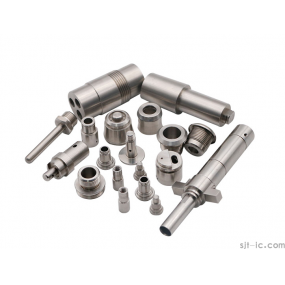
When purchasing CNC machined parts, many customers want to know the CNC parts processing supply price before starting a project. However, there is no single fixed price because CNC Machining costs depend on many factors, including materials, part design, machining difficulty, production quantity, labor, and quality requirements.
Understanding these factors helps buyers make better decisions, control budgets, and choose reliable suppliers. This guide explains the main elements that influence CNC parts processing costs and provides practical advice on how to get accurate quotations.
What Factors Affect CNC Parts Processing Supply Price?
The factors affecting CNC parts processing supply price are closely related to the manufacturing process and customer requirements. A simple part made in large quantities will usually cost much less per piece than a complex custom part with strict precision requirements.
The main factors include:
- Material selection
- Part design and machining complexity
- Labor and machine operation costs
- Production batch size
- Quality inspection and tolerance requirements
Material Costs Have a Direct Impact on CNC Parts Processing Prices
Material is one of the first factors suppliers consider when calculating the CNC parts processing supply price. Different metals and plastics have different purchase costs, machining difficulty, and waste rates.
For example:
- Aluminum is commonly used because it is lightweight, easy to machine, and cost-effective.
- Stainless steel offers high strength and corrosion resistance but usually requires more machining time.
- Titanium provides excellent performance but has a higher processing cost.
Choosing the right material based on the product application can reduce unnecessary expenses. Customers should discuss material options with suppliers instead of selecting expensive materials without a clear reason.
Machining Complexity Changes the Overall Processing Cost
Part complexity is another important factor in determining CNC machining prices. A simple component with basic cutting operations requires less time and fewer resources. A complex part with curved surfaces, deep holes, or multiple machining steps will increase production costs.
When learning how to estimate CNC parts processing supply price, customers should consider:
- The number of machining operations required
- The difficulty of the part structure
- The amount of programming work needed
- The required machining accuracy
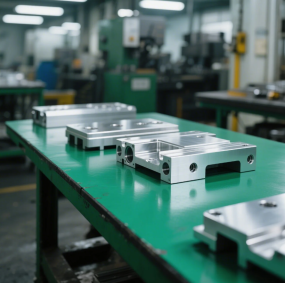
For example, a small metal bracket may only require drilling and milling, while a precision mechanical component may need several CNC processes, additional inspection, and surface treatment. These differences create large price variations.
Labor Costs and Machine Time Influence CNC Processing Quotes
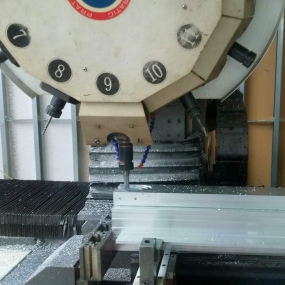
Although CNC machines perform most manufacturing tasks automatically, skilled operators and engineers are still needed for programming, setup, inspection, and production management.
The longer a machine runs, the higher the machining cost. Factors that increase machine time include:
- Complex part geometry
- Slow cutting requirements for difficult materials
- Multiple setups during machining
- Extra finishing processes
Experienced CNC suppliers can improve efficiency through optimized programming and proper production planning, helping customers receive more competitive prices.
Batch Size Has a Major Effect on CNC Parts Processing Supply Price
The batch-size impact on CNC parts processing supply price is an important consideration for buyers. Generally, producing more parts reduces the average cost because setup, programming, and tooling expenses can be shared across more units.
For example:
- A prototype order of 5 pieces may have a higher unit price because preparation costs are spread over only a few parts.
- A production order of 1,000 pieces can achieve a lower unit price because the machining process becomes more efficient.
However, ordering excessive quantities without demand planning may increase inventory costs. Customers should choose a batch size that matches their actual business needs.
Quality Requirements Also Affect CNC Parts Processing Supply Price
The quality-related CNC parts processing supply price depends on inspection standards, precision requirements, and additional quality control steps.
Higher quality requirements may include:
- Strict dimensional tolerances
- Detailed inspection reports
- Surface finish requirements
- Material certification
For industries such as medical equipment, aerospace, and automation machinery, quality control is especially important. While stricter standards may increase costs, they also reduce the risk of product failure and production problems.
How to Estimate CNC Parts Processing Supply Price More Accurately
Customers can improve quotation accuracy by preparing complete project information before contacting a supplier.
A useful quotation request should include:
- Part drawings or 3D models
- Required material type
- Expected production quantity
- Surface treatment requirements
- Quality standards and delivery requirements
A supplier can provide a more realistic CNC machining price when they understand the complete project requirements. Incomplete information often leads to inaccurate estimates or later cost changes.
Cost-Saving Tips for CNC Parts Processing Supply
There are several practical ways to reduce machining expenses without lowering product quality. These cost-saving tips for CNC parts processing supply can help businesses control manufacturing budgets:
- Optimize part design: Avoid unnecessary complex structures that increase machining time.
- Select suitable materials: Choose materials that meet performance needs without excessive cost.
- Increase order quantities when practical: Larger batches often reduce the average cost.
- Work with experienced suppliers: Professional manufacturers can improve efficiency and reduce waste.
Choosing a Reliable CNC Parts Processing Supplier
Price is important, but the lowest quotation is not always the best choice. A reliable CNC machining supplier should provide stable quality, reasonable delivery times, professional communication, and technical support.
EMAR provides CNC parts processing services with a focus on cost efficiency, manufacturing reliability, and customer requirements. With experienced production management and quality control processes, EMAR helps customers balance price, precision, and production efficiency.
By improving machining planning, optimizing production processes, and selecting suitable manufacturing methods, EMAR supports customers in achieving competitive CNC parts processing supply prices while maintaining consistent product quality.
Practical Example: How Different Requirements Change the Price
Consider two customers ordering similar aluminum CNC parts:
- Customer A: Needs 20 prototype parts with special inspection requirements. The unit price may be higher because setup and inspection costs are distributed across fewer pieces.
- Customer B: Needs 2,000 standard parts with optimized production planning. The unit price can be lower because the supplier can improve machining efficiency.
This example shows why CNC parts processing supply prices vary between projects. The final quotation depends on the complete combination of materials, design, quantity, and quality requirements.
Conclusion
The CNC parts processing supply price is influenced by many factors rather than one simple calculation. Material choice, machining complexity, labor costs, batch size, and quality requirements all play important roles.
For buyers, understanding these factors makes it easier to compare suppliers, control costs, and choose the right manufacturing solution. Working with an experienced CNC machining company such as EMAR can help businesses achieve reliable quality and cost-effective production for different CNC parts processing needs.