
Which Is Good for Stamping Metal Parts? A Practical Guide to Choosing the Right Manufacturer
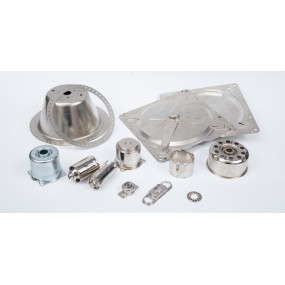
When looking for Metal Stamping services, many buyers ask: Which is good for stamping metal parts? Choosing the right supplier is important because the quality of stamped parts directly affects product performance, assembly accuracy, production cost, and delivery time.
A good stamping metal parts manufacturer should not only provide competitive prices but also have strong production ability, quality control systems, experienced engineers, and a good industry reputation. This guide explains how to evaluate suppliers and find reliable solutions for different applications.
What Makes a Good Stamping Metal Parts Manufacturer?
The best supplier is not always the cheapest one. A reliable manufacturer should balance quality, cost, production speed, and technical support. When comparing high-quality providers for stamping metal parts, consider the following factors:
- Manufacturing experience: Companies with years of stamping experience usually understand material selection, tooling design, and production problems better.
- Production capability: Check whether the supplier has modern stamping machines, inspection equipment, and enough capacity for your order size.
- Quality control: A professional supplier should have inspection processes to check dimensions, surface quality, and product consistency.
- Engineering support: Good manufacturers help improve part designs to reduce waste and avoid production problems.
- Delivery reliability: Stable production planning is important for companies that need regular supply.
How to Evaluate Quality When Choosing Stamping Metal Parts Services
Quality is one of the most important points when selecting a stamping supplier. Poor-quality stamped parts may cause assembly problems, product failures, or extra costs during production.
Before working with a manufacturer, ask about:
- The types of materials they can process, such as stainless steel, aluminum, copper, or carbon steel.
- The accuracy range they can achieve.
- Their inspection methods and quality standards.
- Examples of similar parts they have produced.
For example, a company producing electronic brackets may require very accurate holes and bends. A supplier with strong quality control can ensure every batch fits the assembly requirements without additional adjustments.
Consider Production Capacity and Industry Experience
Different industries have different requirements for stamped metal parts. Automotive companies often need large quantities and stable quality, while electronics companies may need smaller parts with high precision.
When searching for top manufacturers for automotive stamping metal parts, look for suppliers that understand high-volume production, strict inspection requirements, and consistent delivery schedules.
For small businesses, a manufacturer that supports flexible production is also important. A supplier with experience in both prototypes and mass production can help reduce development risks.
How to Balance Cost and Quality
Many buyers look for cost-efficient options for stamping metal parts, but choosing the lowest quotation may create problems later. A lower price may come from cheaper materials, limited inspection, or poor tooling quality.
A better approach is to compare the total value, including:
- Part quality and failure rate.
- Tooling costs.
- Material usage efficiency.
- Production speed.
- Long-term cooperation benefits.
A professional supplier can often reduce costs by improving the design, selecting suitable materials, and optimizing the stamping process.
Why Choose a Reliable Precision Stamping Service?
For products that require tight dimensions, choosing reputable services for precision stamping metal parts is essential. Precision stamping is commonly used in industries such as automotive, medical equipment, electronics, and industrial machinery.
A reliable precision stamping supplier should provide:
- Accurate tooling design.
- Stable production processes.
- Professional quality inspection.
- Technical communication during product development.
EMAR provides customized stamping metal parts services with professional manufacturing experience, helping customers develop parts based on their drawings, materials, and application requirements. The company focuses on stable quality, reasonable production solutions, and efficient communication to support different industries.
Delivery Time Is Also Important
For companies with urgent projects, finding fast-delivery sources for stamping metal parts can help avoid production delays. However, fast delivery should not mean lower quality.
Before placing an order, confirm:
- Production lead time.
- Material availability.
- Tooling preparation schedule.
- Quality inspection time before shipment.
A manufacturer with good planning can provide faster delivery while maintaining product reliability.
Questions to Ask Before Selecting a Stamping Supplier
- What types of stamping metal parts have you produced before?
- Can you support prototype development and mass production?
- What materials and thickness ranges can you process?
- How do you control product quality?
- Can you help optimize my design to reduce cost?
Conclusion: How to Find the Right Stamping Metal Parts Partner
So, Which is good for stamping metal parts? The right choice is a manufacturer that combines quality production, technical experience, reasonable pricing, and reliable service.
Whether you need automotive components, electronic parts, machine brackets, or customized metal products, carefully checking a supplier’s experience and production ability can help you avoid costly mistakes. Working with an experienced company like EMAR can provide practical stamping solutions designed for your specific needs.
What Are the Main Machining Objects of CNC Turning?
Many people ask: What are the main machining objects of CNC turning? CNC turning is a common manufacturing process used to produce accurate round and cylindrical parts. It uses computer-controlled machines to remove material from a rotating workpiece and create the required shape.
CNC turning is widely used because it provides good accuracy, stable quality, and efficient production. Understanding the common machining objects helps engineers and buyers choose the right manufacturing method.
Common Machining Objects in CNC Turning
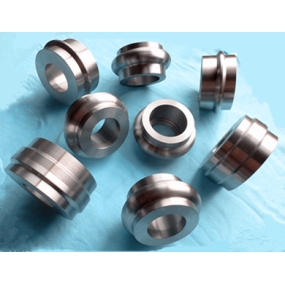
The most common CNC turning parts are rotating components with round shapes. These parts usually have features such as outer diameters, holes, threads, grooves, and curved surfaces.
- Shafts: Used in motors, machines, and vehicles. They require accurate diameter control and good surface finish.
- Pins and rods: Common in mechanical assemblies where precise fitting is needed.
- Housings and sleeves: Used to support or protect internal components.
- Bolts and threaded parts: CNC turning can create accurate external and internal threads.
- Rotating connectors: Common in electrical and industrial equipment.
CNC Turning Machining Objects for Different Industries
CNC turning is used in many industries because it can produce different types of precision parts.
- Automotive industry: Engine components, shafts, connectors, and transmission parts.
- Electronics industry: Small precision housings and metal connectors.
- Medical industry: Precision metal components requiring strict dimensions.
- Industrial equipment: Machine parts, bushings, and mechanical fittings.
Precision-Required Machining Objects of CNC Turning
Some parts need very high accuracy because even small errors can affect product performance. These include:
- Precision shafts.
- Small diameter components.
- Threaded connection parts.
- Parts requiring smooth surfaces.
Professional CNC turning suppliers use advanced machines and inspection tools to control size accuracy and consistency.
Complex-Shaped Machining Objects Suitable for CNC Turning
Modern CNC turning machines can produce more than simple cylinders. With advanced functions, they can create complex parts with multiple features.
Examples include:
- Parts with multiple diameters.
- Components with grooves and special profiles.
- Custom mechanical connectors.
- Parts requiring combined turning and milling operations.
Economical Machining Objects for CNC Turning
CNC turning is also suitable for cost-effective production because it reduces manual work and improves repeatability. It is a good choice for:
- Small and medium production batches.
- Customized machine parts.
- Replacement components.
- Prototype development.
EMAR provides CNC turning services for different industries, supporting customers with customized machining solutions. With experience in precision manufacturing, EMAR helps customers select suitable materials, improve part designs, and achieve reliable production results.
How to Decide If CNC Turning Is Suitable for Your Part
Before choosing CNC turning, consider:
- Is the part mainly round or cylindrical?
- Does it require accurate dimensions?
- Does it need threads, holes, or grooves?
- What is the required production quantity?
If the answer is yes, CNC turning may be an efficient manufacturing solution.
Conclusion
The main machining objects of CNC turning include shafts, pins, sleeves, threaded parts, housings, and many other rotating components. From simple parts to complex precision components, CNC turning provides an effective solution for many industries.
Choosing an experienced machining partner helps ensure better quality, lower production risks, and stable results.
How to Process Sheet Metal Thin Louvers: A Complete Guide
Many manufacturers need to know How to process sheet metal thin louvers because louvers are widely used for ventilation, heat control, and protective covers. Proper processing methods can improve airflow, appearance, and product durability.
Sheet metal thin louvers require careful design and accurate manufacturing. This article explains the main steps, tools, and methods in simple language.
Step 1: Design the Sheet Metal Thin Louvers
The first step is creating a suitable design. Engineers need to consider:
- Louver size and opening angle.
- Material thickness.
- Airflow requirements.
- Installation method.
A good design helps avoid deformation during production and improves final performance.
Step 2: Select the Right Material
Common materials for sheet metal louvers include:
- Stainless steel for corrosion resistance.
- Aluminum for lightweight applications.
- Carbon steel for general industrial use.
The material choice depends on the working environment and product requirements.
Step 3: Use Proper Tools for Processing Sheet Metal Thin Louvers
The main tools for processing sheet metal thin louvers include:
- CNC laser cutting machines for accurate cutting.
- Press brakes for bending operations.
- Stamping equipment for repeated louver shapes.
- Inspection tools for checking dimensions.
Step 4: Cutting and Forming the Louvers
The sheet metal is first cut into the required shape. Then, forming processes create the louver openings and angles.
Precision processing of sheet metal thin louvers requires accurate machine settings because incorrect pressure or bending angles may cause deformation.
Step 5: Surface Treatment and Quality Inspection
After forming, the parts may receive surface treatments such as polishing, coating, or painting to improve appearance and protection.
Quality inspection should check:
- Louver size.
- Opening position.
- Surface condition.
- Assembly accuracy.
Processing Sheet Metal Thin Louvers for Different Applications
Sheet metal thin louvers are used in:
- Electrical cabinets for heat release.
- Industrial equipment for ventilation.
- Building systems for airflow control.
- Protective covers for machines.
Each application may require different designs and materials.
Cost-Effective Methods for Processing Sheet Metal Thin Louvers
To reduce costs, manufacturers can:
- Optimize material usage.
- Use suitable production methods for order quantity.
- Improve designs before production.
- Choose efficient tooling solutions.
EMAR offers sheet metal thin louver processing services with professional equipment and manufacturing experience. The company supports customized designs and helps customers find practical solutions for different applications.
Conclusion
Knowing How to process sheet metal thin louvers helps companies achieve better quality and lower production costs. From design and material selection to cutting, forming, and inspection, every step affects the final result.
Working with an experienced sheet metal manufacturer can improve efficiency and ensure reliable products.
Customized Stamping and Bending of Metal Sheets: Process, Cost, and Design Guide
Customized stamping and bending of metal sheets is widely used to create metal parts for automotive, electronics, machinery, and industrial products. This process allows manufacturers to produce accurate shapes while controlling cost and production efficiency.
For companies that need custom metal components, understanding the process helps them make better decisions about design, materials, and suppliers.
What Is Customized Stamping and Bending of Metal Sheets?
Customized stamping uses special tools to press metal sheets into specific shapes. Bending changes the angle of the sheet without removing material. Combining these processes creates strong and accurate metal parts.
Typical products include:
- Metal brackets.
- Electrical cabinet parts.
- Automotive structural components.
- Machine covers and supports.
Main Steps of Customized Metal Sheet Processing
- Design preparation: Engineers review drawings and confirm dimensions, materials, and production requirements.
- Material selection: The correct metal type and thickness are chosen according to product use.
- Tooling development: Stamping dies and bending tools are prepared.
- Stamping and bending: Machines form the sheet metal into the required shape.
- Inspection and finishing: Parts are checked and receive surface treatment if needed.
Factors Affecting Quality
High-quality customized stamping and bending of metal sheets depends on several factors:
- Material quality.
- Tool design accuracy.
- Machine condition.
- Operator experience.
- Inspection standards.
Design Possibilities for Complex Metal Parts
Customized stamping and bending of metal sheets for complex designs allows manufacturers to create parts with different shapes, holes, bends, and features.
For example, an automotive manufacturer may need a lightweight bracket with multiple bends and mounting holes. Proper design and tooling can produce this part efficiently while maintaining strength.
Cost Control in Custom Sheet Metal Production
Companies searching for cost-effective customized stamping and bending of metal sheets should focus on:
- Reducing unnecessary material waste.
- Choosing suitable production quantities.
- Optimizing part structure.
- Selecting experienced suppliers.
Applications in Different Industries
Customized stamping and bending of metal sheets in automotive industry is common because vehicles require many strong and lightweight metal parts.
Other applications include:
- Electronic equipment.
- Medical devices.
- Industrial machines.
- Consumer products.
Small-Batch Production Solutions
Efficient customized stamping and bending of metal sheets for small-batch production is useful for prototypes, new products, and special equipment. Flexible manufacturing helps companies test products before large-scale production.
EMAR provides customized stamping and bending services for metal sheets, helping customers turn drawings into reliable metal components. With professional production experience, EMAR supports design improvement, process selection, and quality control for different industries.
Conclusion
Customized stamping and bending of metal sheets provides an effective way to produce accurate and durable metal parts. Choosing the right material, improving the design, and working with an experienced manufacturer can help reduce cost and improve product quality.