Customized Stamping and Bending of Metal Sheets: Process, Quality Factors, Cost, and Design Options
Customized stamping and bending of metal sheets is a widely used manufacturing method for producing accurate metal parts with specific shapes, sizes, and functions. Many industries need custom metal components because standard parts cannot always meet their product requirements.
From automotive brackets and electronic enclosures to machine covers and industrial frames, customized sheet metal forming helps manufacturers create reliable parts with high efficiency. Understanding the process, design choices, quality factors, and cost considerations can help businesses choose the right manufacturing solution.
What Is Customized Stamping and Bending of Metal Sheets?
Customized stamping and bending of metal sheets is a process that uses special tools and machines to cut, shape, and bend flat metal sheets into designed components. Unlike standard production, customization allows manufacturers to adjust the material, thickness, shape, holes, angles, and surface treatment according to customer requirements.
The main steps usually include:
- Design preparation: Engineers create 2D drawings or 3D models based on product requirements.
- Material selection: The suitable metal type and thickness are selected according to strength, weight, and environmental needs.
- Sheet cutting: The metal sheet is cut into the required shape using laser cutting, punching, or other methods.
- Stamping process: A stamping machine presses the sheet metal with a customized die to form specific shapes.
- Bending process: A bending machine creates accurate angles and curves according to the design.
- Inspection and finishing: The finished parts are checked for size accuracy, appearance, and performance.
How Does the Customized Stamping and Bending Process Work?
A successful customized metal sheet project starts with clear communication between the customer and manufacturer. The manufacturer needs to understand the part application, production quantity, material requirements, and expected quality level.
1. Analyze Product Requirements
Before production begins, engineers review the product drawings and check important details such as:
- Overall dimensions and tolerances
- Material type and sheet thickness
- Bending angles and forming requirements
- Required strength and durability
- Surface finishing needs
Early design review can prevent production problems and reduce unnecessary costs.
2. Select the Right Materials
Material choice has a direct impact on product performance and price. Common sheet metal materials include:
- Stainless steel: Suitable for corrosion resistance and clean environments.
- Aluminum: Lightweight and useful for products requiring easy transportation or heat resistance.
- Carbon steel: A cost-effective option for many industrial applications.
- Galvanized steel: Provides better protection against rust.
Choosing the correct material helps achieve a balance between quality and manufacturing cost.
3. Create Stamping Dies and Bending Programs
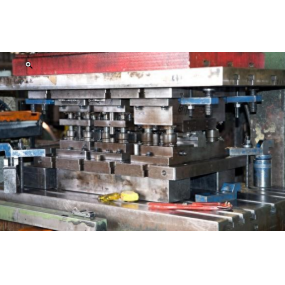
For stamping production, customized dies are created according to the part design. The die controls the shape and accuracy of the stamped component.
For bending operations, engineers set machine parameters such as bending angle, pressure, and sequence. Proper planning improves production efficiency and reduces material waste.
What Factors Affect the Quality of Customized Stamping and Bending of Metal Sheets?
High-quality customized stamping and bending of metal sheets depends on several important factors. A reliable manufacturer must control every stage, from design to final inspection.
Material Quality
Low-quality materials may cause cracks, deformation, or poor surface appearance during stamping and bending. Professional manufacturers use verified materials and check material properties before production.
Manufacturing Equipment
Modern CNC bending machines, precision stamping equipment, and automated inspection tools help improve accuracy and repeatability. Advanced equipment is especially important for complex parts with strict requirements.
Engineering Experience
Experienced engineers understand how different metals behave during forming. They can adjust designs to avoid common problems such as bending cracks, springback, and uneven surfaces.
Quality Inspection
Inspection methods such as dimensional measurement, visual checks, and performance testing help ensure every finished part meets customer expectations.
Design Possibilities for Customized Metal Sheet Parts
Modern manufacturing technology allows customized stamping and bending of metal sheets for complex designs. Designers can create parts with different shapes, holes, folds, and reinforcement structures.
Common customized designs include:
- Metal brackets and support frames
- Electrical equipment covers
- Machine housings
- Automotive structural parts
- Custom cabinets and enclosures
Good design should consider not only appearance but also manufacturability. Simple and practical designs usually reduce production time and cost.
How to Control the Cost of Customized Stamping and Bending?
Many customers want cost-effective customized stamping and bending of metal sheets without reducing quality. Several factors influence the final price:
- Material cost: Different metals and thicknesses have different prices.
- Part complexity: More complicated shapes usually require more processing time and special tools.
- Production quantity: Large orders can reduce the average cost per part.
- Tooling requirements: Customized dies may increase initial investment.
- Surface treatment: Painting, powder coating, polishing, or plating affect the total cost.
To reduce costs, customers can provide accurate drawings, choose suitable materials, and work with manufacturers during the design stage.
Applications of Customized Stamping and Bending of Metal Sheets
Customized sheet metal forming is used in many industries because it provides strong, lightweight, and accurate components.
Automotive Industry
Customized stamping and bending of metal sheets in automotive industry is widely used for producing brackets, support parts, body components, and internal structures. Automotive manufacturers require parts with high strength, consistent quality, and large production capability.
Electronics and Electrical Equipment
Metal sheets are often used to produce equipment cabinets, protective covers, and mounting panels. Accurate bending helps ensure proper assembly and protection of internal components.
Industrial Machinery
Machine manufacturers use customized metal parts for frames, guards, and structural supports. Strong and precise sheet metal components improve equipment reliability.
Can Customized Stamping and Bending Be Used for Small-Batch Production?
Yes. With flexible production methods, efficient customized stamping and bending of metal sheets for small-batch production is possible. Small and medium-sized businesses often need custom parts without ordering thousands of units.
Manufacturers can use flexible tooling solutions, CNC bending technology, and optimized production planning to produce small quantities efficiently. This is useful for prototypes, replacement parts, and specialized equipment.
How to Choose a Reliable Customized Sheet Metal Manufacturer?
Choosing the right manufacturing partner is important for achieving stable quality and reasonable pricing. Consider the following points:
- Experience with similar metal sheet projects
- Advanced stamping and bending equipment
- Strong engineering and design support
- Strict quality control procedures
- Ability to handle both small and large orders
A manufacturer with complete production capabilities can help customers solve design problems, improve production efficiency, and reduce unnecessary costs.
EMAR Customized Stamping and Bending Services
EMAR provides professional customized stamping and bending services for metal sheets, supporting customers from design review to final production. With experience in precision metal processing, EMAR helps customers develop reliable parts for different industries.
The company focuses on accurate manufacturing, flexible production solutions, and quality control to meet various project requirements. Whether customers need prototypes, small batches, or larger production runs, EMAR can provide suitable solutions based on material, design, and performance needs.
Practical Tips for a Successful Customized Metal Sheet Project
- Prepare clear drawings and technical requirements before requesting a quotation.
- Discuss material options with engineers to find the best balance between cost and performance.
- Consider production methods during the design stage to avoid unnecessary complexity.
- Choose a supplier with strong quality management and manufacturing experience.
- Test prototypes before mass production when product performance is important.
Conclusion
Customized stamping and bending of metal sheets provides an effective way to create accurate and durable metal components for many industries. By understanding the production process, quality factors, design possibilities, and cost influences, businesses can make better manufacturing decisions.
Working with an experienced manufacturer such as EMAR can help ensure high-quality results, efficient production, and customized solutions that meet specific product requirements.