How to Choose a Reliable CNC Precision Machining Factory for Forged Parts
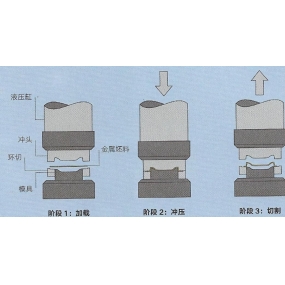
Forged parts are known for their high strength, durability, and ability to handle heavy loads. However, forging alone is not enough to achieve the exact size and surface quality required by modern industries. Many companies need additional CNC Machining processes to improve accuracy and ensure the parts fit perfectly into final products.
A reliable CNC precision machining factory for forged parts can help manufacturers turn rough forged components into finished precision parts. The right factory should have strong machining capabilities, strict quality control systems, reasonable pricing, and experience in different industries.
What Does a CNC Precision Machining Factory for Forged Parts Do?
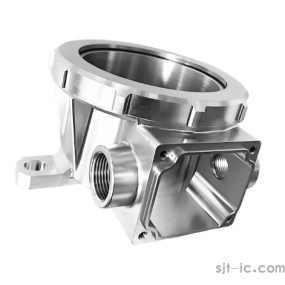
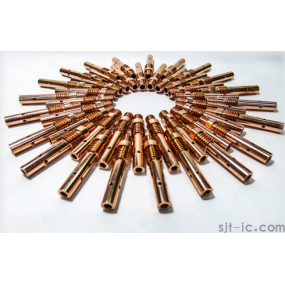
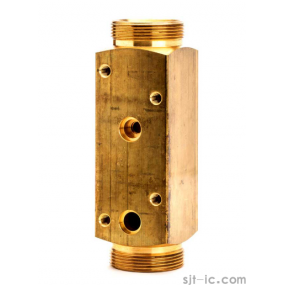
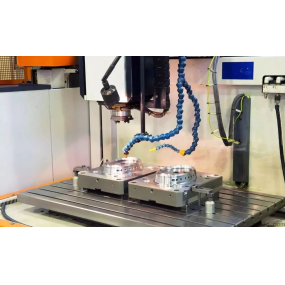
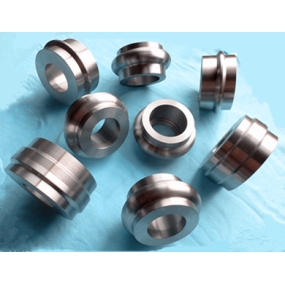
A CNC precision machining factory for forged parts uses computer-controlled machines to remove extra material from forged components and create accurate shapes, holes, threads, and surfaces. CNC machines can process different materials, including steel, stainless steel, aluminum, titanium, and other metal alloys.
The main machining services usually include:
- CNC turning for round and cylindrical forged parts
- CNC milling for complex shapes and multiple surfaces
- Drilling, tapping, and boring for accurate holes
- Surface finishing to improve appearance and performance
- Precision inspection to ensure parts meet drawings and standards
For example, a forged steel component for a vehicle may have strong mechanical properties after forging, but CNC machining is needed to create exact mounting holes and contact surfaces. This combination improves product performance and reliability.
Key Capabilities to Look for in a CNC Machining Factory
1. Advanced CNC Equipment and Processing Ability
One of the most important factors when selecting a supplier is machine capability. Factories with advanced capabilities for CNC precision machining of forged parts can handle complex designs, tight tolerances, and large production requirements.
A professional factory should have equipment such as:
- Multi-axis CNC machining centers
- High-speed CNC milling machines
- Precision CNC turning machines
- Automatic production equipment for repeated orders
- Advanced measuring tools such as CMM inspection equipment
These capabilities allow the factory to produce both simple forged parts and complex components with strict dimensional requirements.
2. Experience with Different Forged Materials
Forged parts can be made from many types of metals, and each material requires different machining knowledge. A skilled CNC machining factory understands how cutting speed, tooling selection, and machining methods change depending on the material.
For example:
- Forged aluminum parts require careful control to avoid surface damage.
- Forged steel parts often need strong cutting tools and stable machining processes.
- Titanium forged parts require special techniques because of their hardness and heat resistance.
Choosing a supplier with material experience reduces machining problems and improves production efficiency.
Why Quality Control Is Important for Forged Part Machining
Quality control is a major difference between average suppliers and high-quality CNC precision machining factories for forged parts. Precision machining requires every dimension to match the customer’s drawings. Even a small error can affect assembly, safety, and product performance.
A reliable factory should have a complete quality management process, including:
- Incoming inspection of forged materials
- First article inspection before mass production
- In-process checking during machining
- Final dimensional inspection before shipment
- Quality reports and inspection records
Professional manufacturers often use measuring equipment such as coordinate measuring machines (CMM), micrometers, and optical inspection systems. These tools help verify critical dimensions and maintain consistent quality.
When evaluating a factory, customers should ask about inspection procedures, quality certificates, and how the supplier handles production problems.
Cost Factors When Choosing a CNC Machining Factory
Many buyers focus only on the lowest price, but the cheapest option may create higher costs later due to poor quality, delays, or repeated production issues. A good supplier provides a balance between price, quality, and delivery time.
The cost of CNC machining forged parts depends on several factors:
- Part size and design complexity
- Material type and material cost
- Required machining accuracy
- Production quantity
- Surface finishing requirements
- Tooling and setup costs
Companies looking for cost-efficient CNC precision machining factories for forged parts should provide complete drawings, material information, and expected quantities when requesting quotes. Clear information helps factories create accurate pricing.
For large orders, working with CNC precision machining factories for large-scale forged part production can reduce unit costs through optimized processes, automation, and efficient production planning.
Industry Applications of CNC Machined Forged Parts
CNC machining of forged parts is widely used in industries that require strong and reliable metal components.
Automotive Industry
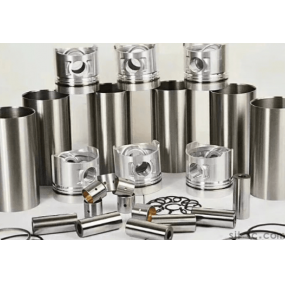
CNC precision machining factories for forged parts in automotive industry applications produce components that must withstand vibration, pressure, and long-term use. Common examples include:
- Engine and transmission components
- Steering system parts
- Suspension components
- Structural safety parts
Automotive manufacturers often require stable quality because one machining error can affect vehicle safety and performance.
Aerospace Industry
Aerospace forged parts require excellent strength and precise dimensions. CNC machining helps produce lightweight but strong components used in aircraft structures and systems.
Construction and Heavy Equipment
Heavy machinery depends on durable forged components. CNC machining improves the accuracy of parts used in hydraulic systems, connection points, and mechanical assemblies.
Energy and Industrial Equipment
Power generation and industrial equipment manufacturers use CNC-machined forged parts because these components must operate under demanding conditions.
How EMAR Supports CNC Precision Machining of Forged Parts
When companies need a dependable machining partner, EMAR provides CNC precision machining services for forged parts with a focus on accuracy, efficiency, and customer requirements.
EMAR combines CNC machining experience with modern production equipment to support different forged part projects, from prototype development to larger production orders. The company focuses on understanding customer drawings, selecting suitable machining methods, and maintaining consistent quality throughout production.
With experience in precision metal processing, EMAR can help customers who need customized forged components for industries such as automotive, industrial equipment, and other manufacturing fields.
Choosing a supplier like EMAR can help businesses reduce production risks, improve part reliability, and achieve a better balance between quality and manufacturing cost.
Practical Tips for Selecting the Right CNC Machining Partner
Before choosing a CNC precision machining factory for forged parts, consider the following questions:
- Does the factory have experience machining similar forged materials?
- Can the supplier meet your required tolerances and production volume?
- Does the factory have reliable inspection equipment?
- Can the supplier provide samples or previous project examples?
- Is the quotation clear and based on realistic production requirements?
It is also helpful to start with a small trial order before moving to full production. This allows you to evaluate machining quality, communication, delivery time, and technical support.
Conclusion
Selecting the right CNC precision machining factory for forged parts is important for achieving reliable, accurate, and cost-effective components. A professional supplier should offer advanced CNC equipment, strong quality control, experience with different materials, and the ability to support both small and large production needs.
By carefully evaluating machining capabilities, quality systems, and industry experience, companies can find a manufacturing partner that improves product performance and reduces long-term costs. Working with experienced suppliers such as EMAR can provide reliable CNC machining solutions for forged parts across different industries.