Precision Parts Processing: Techniques, Materials, Applications, and Quality Control Explained
Precision Parts Processing is a key manufacturing method used to produce parts with extremely high accuracy and strict tolerances. Many industries depend on precision parts because even a small measurement error can affect product performance, safety, and reliability. From aerospace engines to medical devices and industrial equipment, precision manufacturing helps create components that fit perfectly and work consistently.
For businesses looking for reliable manufacturing partners, understanding the process, technologies, materials, and quality standards behind precision parts processing is essential. A professional manufacturer such as EMAR uses advanced equipment, experienced engineers, and strict inspection systems to deliver high-quality precision parts that meet demanding industry requirements.
What Is Precision Parts Processing?
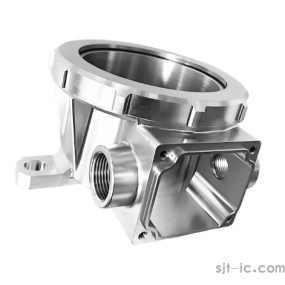
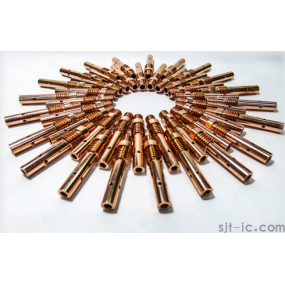
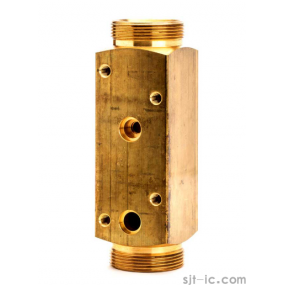
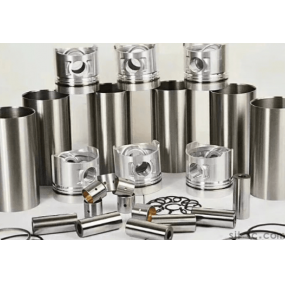
Precision Parts Processing refers to the manufacturing of mechanical components with very accurate dimensions, shapes, and surface finishes. Unlike ordinary machining, precision processing requires tighter tolerances and better control of every production step.
The goal is not only to create a part that matches a drawing but also to ensure that the part performs correctly in a real working environment. For example, a precision gear used in an industrial machine must have accurate tooth dimensions. A small error may cause vibration, noise, or early failure.
Precision parts are widely used in industries such as aerospace, automotive, medical equipment, electronics, robotics, and automation. These industries require parts that can operate under strict conditions while maintaining stable performance.
Common Precision Parts Processing Techniques
Different manufacturing methods are used depending on the part design, material, tolerance requirements, and production volume. Understanding these precision parts processing techniques helps customers choose the right manufacturing solution.
CNC Machining
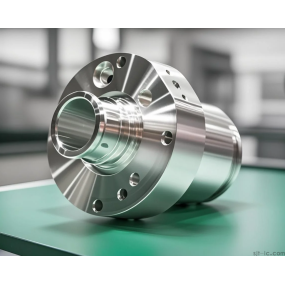
CNC machining is one of the most common methods in precision parts processing. CNC stands for Computer Numerical Control. It uses computer programs to control machine tools, allowing operations such as turning, milling, drilling, and cutting to be completed with high accuracy.
For example, when producing a high-precision engine component, engineers can create a digital machining program that controls the movement of cutting tools. The machine follows these instructions repeatedly, producing parts with consistent dimensions.
- High accuracy: CNC machines can achieve very tight tolerances for complex components.
- Repeatability: The same program can produce many identical parts with stable quality.
- Complex designs: CNC machining can create detailed shapes that are difficult to make manually.
Electrical Discharge Machining (EDM)
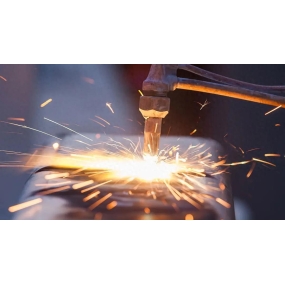
Electrical Discharge Machining (EDM) is another important method for precision manufacturing. It uses controlled electrical sparks to remove material from a workpiece. This technique is especially useful for hard materials that are difficult to process using traditional cutting tools.
For example, EDM is often used to produce injection molds made from hardened steel. It can create small holes, sharp corners, and complicated shapes with excellent accuracy.
- Suitable for hard materials: EDM can process materials that are difficult to cut.
- Excellent detail control: It can produce very complex structures.
- High precision: It is suitable for applications requiring extremely accurate dimensions.
Why Is Precision Important in Parts Manufacturing?
The importance of precision in parts cannot be ignored because part accuracy directly affects product performance, safety, and service life.
Better Functionality and Performance
Precision parts allow different components to work together smoothly. In industries such as aerospace, even a small manufacturing error can influence the operation of a complete system.
For example, turbine blades inside an aircraft engine must have precise shapes and dimensions. If the blade design is slightly incorrect, it may reduce engine efficiency or create safety risks. High-precision manufacturing ensures that each component performs as designed.
Improved Safety and Durability
Precision also improves product safety and durability. In the automotive industry, brake system components must meet strict accuracy requirements. Incorrect dimensions may lead to uneven braking performance or faster wear.
By controlling manufacturing accuracy, companies can produce parts that handle pressure, movement, and repeated use more effectively.
Different Types of Precision Parts
There are many types of precision parts, and each type has different requirements depending on its application.
Aerospace Precision Parts
Aerospace components include turbine blades, engine housings, aircraft fasteners, and landing gear parts. These parts must work under extreme conditions, including high temperatures, strong pressure, and continuous vibration.
For example, aircraft turbine blades require precise manufacturing because they rotate at very high speeds inside hot engine environments. Small dimensional errors can affect engine efficiency and reliability.
Medical Precision Parts
Medical precision parts are used in equipment such as surgical instruments, implants, and diagnostic devices. These components require excellent accuracy because they directly affect medical performance and patient safety.
A medical implant, such as a joint replacement component, must match the required design accurately to provide proper movement and long-term reliability.
Industrial and Automation Precision Parts
Robotics, automation systems, and industrial machines also depend on precision components. Examples include shafts, gears, connectors, and customized mechanical parts.
Accurate manufacturing helps automated equipment move smoothly, reduce downtime, and maintain stable production efficiency.
Materials Used in Precision Parts Processing
Choosing the correct material is an important part of successful manufacturing. Different applications require different material properties, which is why selecting the right materials for precision parts is essential.
Metals
Metals are widely used because they provide strength, durability, and stable performance.
- Steel: Known for high strength and wear resistance. It is commonly used for gears, shafts, and industrial components.
- Aluminum: Lightweight and corrosion-resistant, making it useful for aerospace and electronic applications.
- Titanium: Offers excellent strength-to-weight ratio and good biocompatibility, making it suitable for aerospace and medical applications.
For example, a high-strength steel component may be selected for a machine part that experiences heavy loads, while aluminum may be preferred for a lightweight aerospace structure.
Plastics and Composite Materials
Plastics and composites are also valuable materials for precision parts. They are often selected when lightweight design, chemical resistance, or special performance characteristics are needed.
Carbon-fiber composites, for example, provide high strength with low weight and are used in aerospace and automotive industries. Engineering plastics are commonly found in medical devices and electronic products because they can be formed into complex shapes.
Quality Control in Precision Parts Processing
Strict quality management is necessary because precision parts must meet exact requirements. Effective quality control in precision parts processing ensures that every component performs reliably before delivery.
Inspection and Testing
Professional manufacturers use advanced inspection equipment to verify part accuracy. Common inspection methods include coordinate measuring machines (CMM), surface testing, hardness testing, and material analysis.
For example, when producing a precision gear, a CMM can measure the gear dimensions and tooth profile. Hardness testing can confirm whether the material can withstand mechanical stress.
- Dimensional inspection ensures parts match engineering drawings.
- Material testing confirms strength and durability.
- Surface inspection checks finish quality and manufacturing defects.
Process Control
Quality does not only depend on final inspection. It must be controlled throughout the entire manufacturing process.
Manufacturers monitor important factors such as cutting speed, tool condition, temperature, and machining parameters. Proper process control reduces errors and improves production consistency.
How EMAR Supports High-Quality Precision Parts Processing
EMAR has professional experience in Precision Parts Processing and focuses on providing reliable manufacturing solutions for customers with demanding requirements. With advanced CNC machining equipment, EDM technology, skilled engineers, and strict quality management systems, EMAR can handle complex precision part projects.
The company understands that different industries require different solutions. Whether customers need small-batch customized components or larger production runs, EMAR can adjust machining methods, material selection, and inspection procedures according to project requirements.
Advanced Manufacturing Capability
EMAR combines modern processing technology with engineering expertise to produce precision parts with stable accuracy. Experienced technicians understand how different materials behave during machining and how to optimize production processes.
This approach helps customers receive parts that meet design specifications and support the performance of their final products.
Customized Precision Solutions
Every precision component has unique requirements. EMAR provides customized solutions based on part structure, application environment, tolerance requirements, and production goals.
By focusing on accurate processing, careful material selection, and reliable quality control, EMAR helps customers reduce production risks and achieve better product performance.
Conclusion
Precision Parts Processing is an important foundation of modern manufacturing. Advanced techniques such as CNC machining and EDM make it possible to produce complex components with excellent accuracy. Choosing the right materials, understanding application requirements, and maintaining strict quality control are all essential for successful precision manufacturing.
For industries that depend on reliable and accurate components, working with an experienced manufacturer like EMAR can provide professional support, customized solutions, and high-quality precision parts that meet demanding standards.