CNC Stainless Steel Machining Parts Customization: From Design to High-Quality Production
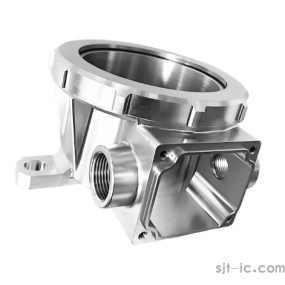
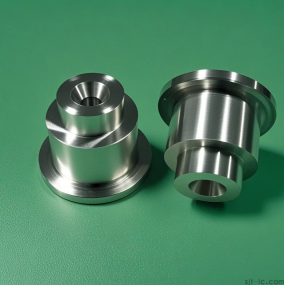
CNC Stainless Steel Machining Parts Customization helps companies create stainless steel components that match their exact needs. Many industries cannot rely on standard parts because their products require special sizes, complex shapes, high strength, or excellent corrosion resistance. Customized CNC Machining provides a reliable way to produce accurate stainless steel parts for construction, food processing, chemical engineering, medical equipment, and other demanding applications.
When choosing a CNC machining partner, customers often worry about three main issues: cost, precision, and delivery time. A professional machining provider can solve these concerns by using advanced CNC equipment, experienced engineers, and a clear production process. Companies like EMAR focus on helping customers develop customized stainless steel machining solutions with stable quality, competitive costs, and efficient production schedules.
Why Customized CNC Stainless Steel Parts Are Important
Stainless steel is widely used because it offers strong mechanical performance, good corrosion resistance, and long service life. However, different industries have different requirements. A part used in a chemical system may need higher corrosion resistance, while a structural component may require greater strength and load capacity.
CNC Stainless Steel Machining Parts Customization allows manufacturers to create parts that fit specific applications instead of forcing standard components into unsuitable conditions. This improves equipment performance, reduces assembly problems, and helps control long-term maintenance costs.
- Construction industry: Customized stainless steel brackets, connectors, shafts, and structural components can provide strong support and resistance to outdoor environments.
- Food processing industry: Stainless steel parts require smooth surfaces, hygiene-friendly designs, and resistance to frequent cleaning and moisture.
- Chemical engineering industry: Customized components must handle aggressive chemicals, high temperatures, and difficult operating conditions.
Design Considerations for Customized CNC-Machined Stainless Steel Parts
The design stage is the foundation of successful CNC stainless steel machining. Before production begins, customers should clearly explain the purpose of the part, operating environment, expected service life, and performance requirements.
Good communication between the customer and machining provider helps avoid design mistakes and unnecessary costs. Engineers need to understand important details, including:
- The intended use of the stainless steel part.
- The required mechanical properties, such as strength, hardness, and wear resistance.
- Operating conditions, including temperature, pressure, moisture, and chemical exposure.
- Special design features, such as complex holes, threads, thin walls, tight corners, or special surface requirements.
- Required dimensional tolerances and assembly requirements.
During the design review, machining experts can suggest improvements that make production easier and more cost-effective. For example, adjusting unnecessary complex features or improving tool accessibility can reduce machining time without affecting performance.
Stainless Steel Grade Selection for Customized Machining
Choosing the correct stainless steel grade is one of the most important steps in customization. Different grades provide different combinations of corrosion resistance, strength, machinability, and cost.
Stainless-steel grade selection for customized machining should be based on the final working environment rather than only the material price.
- 304 stainless steel: A popular choice with good corrosion resistance and excellent versatility. It is suitable for many general industrial and food processing applications.
- 316 stainless steel: Provides better corrosion resistance, especially in saltwater or chemical environments. It is often selected for chemical processing and marine applications.
- 17-4 PH stainless steel: Offers high strength and hardness after heat treatment, making it suitable for demanding mechanical parts.
- 410 stainless steel: Provides good wear resistance and strength for applications requiring harder components.
A professional CNC machining supplier can help customers balance performance and budget by selecting a material that meets application needs without unnecessary costs.
CNC Machining Operations for Stainless Steel Parts
Stainless steel has excellent strength, but it can also be challenging to machine because it creates heat quickly and may cause tool wear. Proper machining methods and cutting parameters are necessary to achieve accurate results.
Turning
CNC turning is commonly used for round stainless steel components such as shafts, bushings, and connectors. Sharp cutting tools, stable clamping, and suitable cutting speeds help maintain surface quality and dimensional accuracy.
Milling
CNC milling creates complex shapes, slots, pockets, and precision surfaces. Carbide cutting tools are often used because stainless steel requires strong tools that can resist wear. Proper coolant application helps control heat during machining.
Drilling
Drilling stainless steel requires careful control of cutting speed and feed rate. Using the correct drill geometry prevents excessive heat and improves hole accuracy.
Welding and Additional Fabrication
Some customized stainless steel parts may require welding after machining. Welding can create heat stress and deformation, so experienced technicians must control welding sequence, heat input, and cooling methods.
Handling distortion in customized stainless-steel part machining is important when welded structures require tight tolerances. Proper fixture design and stress control methods help maintain final dimensions.
Optimizing Cutting Parameters for Stainless Steel Machining
The correct cutting parameters directly affect machining quality, tool life, and production cost. Stainless steel machining usually requires a balance between productivity and heat control.
- Cutting speed: A suitable speed prevents excessive heat and reduces tool damage.
- Feed rate: The correct feed rate improves material removal efficiency while maintaining surface quality.
- Depth of cut: Proper cutting depth reduces vibration and supports stable machining.
- Tool selection: Carbide tools and stainless-steel-specific coatings improve durability.
Experienced CNC manufacturers adjust these parameters according to stainless steel grade, part geometry, tolerance requirements, and production quantity.
Solving Common Challenges in CNC Stainless Steel Customization
Preventing Tool Wear
Stainless steel can cause faster tool wear because of its strength and heat generation. Using high-quality cutting tools, proper lubrication, and optimized machining conditions helps extend tool life and maintain consistent quality.
Maintaining Tight Tolerances
Many industries require precision parts with very small dimensional errors. CNC machining equipment with accurate calibration and professional inspection methods helps achieve stable tolerances throughout production.
Reducing Production Costs
Customization does not always mean higher costs. Smart design choices, suitable material selection, efficient machining processes, and experienced production planning can reduce waste and improve cost-effectiveness.
Controlling Lead Time
Customers often need parts quickly for equipment development or production schedules. Clear communication, accurate drawings, fast engineering review, and efficient CNC workflows help shorten delivery time while maintaining quality.
Post-Machining Processes for Customized CNC-Machined Stainless Steel Parts
After CNC machining, additional processes may be required to improve performance, appearance, or service life.
Post-machining processes for customized CNC-machined stainless-steel parts may include:
- Heat treatment: Improves hardness, strength, and mechanical performance for specific applications.
- Surface finishing: Processes such as polishing, grinding, bead blasting, or passivation improve appearance and corrosion resistance.
- Deburring: Removes sharp edges and improves safety and assembly performance.
- Cleaning: Removes machining residue and prepares parts for final use.
Quality Control in Customized CNC Stainless Steel Parts
Reliable quality control is essential for customized stainless steel components. A professional manufacturer should inspect parts at different production stages to ensure they meet customer requirements.
Quality control in customized CNC-machined stainless-steel parts includes:
- Dimensional inspection: Measuring sizes, tolerances, hole positions, and surface accuracy with precision equipment.
- Material property verification: Confirming the stainless steel grade and mechanical properties.
- Surface quality inspection: Checking finishing results and possible defects.
- Corrosion resistance testing: Ensuring the part can perform reliably in its working environment.
Companies such as EMAR provide CNC stainless steel machining expertise with a focus on engineering support, accurate production, and quality management. Their experience helps customers move from initial design ideas to finished customized parts with confidence.
Conclusion
CNC Stainless Steel Machining Parts Customization provides industries with accurate, durable, and application-specific components. From design communication and stainless steel grade selection to precision machining, finishing, and inspection, every step affects the final quality of the part.
By working with an experienced CNC machining provider, customers can achieve the right balance between precision, cost, and lead time. A reliable customization process ensures stainless steel parts perform well in demanding environments and support long-term product success.