
CNC Stainless Steel Flange Machining: A Complete Guide to Precision, Durability, and Cost Control
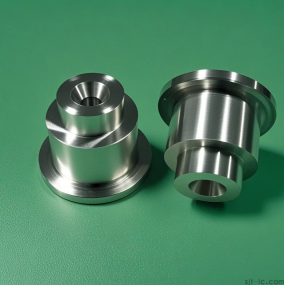
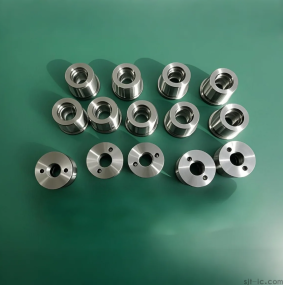
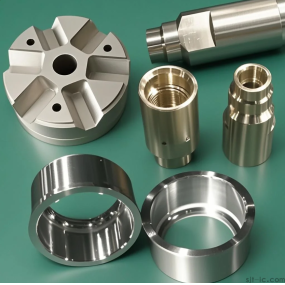
CNC Stainless Steel Flange Machining is an important manufacturing process for producing reliable flange components used in many industrial systems. Stainless steel flanges are widely used in pipeline systems that transport oil, gas, water, chemicals, and other fluids because they provide strong connections, excellent corrosion resistance, and long service life.
However, many buyers face challenges when ordering stainless steel flanges. Common concerns include achieving accurate dimensions, preventing leakage, selecting the right stainless steel grade, controlling machining costs, and maintaining consistent quality during production. A professional CNC Machining process can solve these problems by combining advanced equipment, proper material selection, and strict quality control.
Why CNC Machining Is Suitable for Stainless Steel Flanges
Stainless steel is a strong and corrosion-resistant material, but it is also difficult to machine compared with softer metals. Its high strength and tendency to generate heat during cutting can increase machining difficulty. CNC machining is well suited for stainless steel flange production because it provides precise control over cutting operations and ensures stable product quality.
One major advantage of CNC machining is high precision. Flanges require accurate dimensions because they must create secure connections with pipes, valves, and other components. Even small dimensional errors can cause poor sealing, fluid leakage, or assembly problems. CNC machines can achieve tight tolerances for flange faces, bolt holes, and sealing surfaces, helping ensure reliable performance.
CNC machining can also handle the hardness of stainless steel. With suitable cutting tools, optimized machining parameters, and professional programming, manufacturers can produce complex flange designs while reducing material waste and production errors.
- High dimensional accuracy: Ensures proper alignment and sealing performance.
- Consistent production quality: CNC systems repeat machining processes with stable results.
- Complex geometry capability: Supports different flange shapes, hole patterns, and connection designs.
- Better cost control: Reduces manual errors and improves production efficiency for medium and large quantities.
Design Considerations for CNC-Machined Stainless-Steel Flanges
Proper design is the first step in successful flange machining. The design should match the working environment, pressure requirements, temperature conditions, and connection method. Understanding the application helps manufacturers select the correct flange structure and machining process.
Choosing the Right Flange Type
The intended use of the flange directly affects its design. For example, pipeline systems may require different flange types depending on pressure levels, installation methods, and maintenance needs.
- Weld-neck flanges: Suitable for high-pressure and high-temperature applications because they provide strong stress distribution.
- Slip-on flanges: Common in lower-pressure systems because they are easier to install and machine.
- Blind flanges: Used to close pipeline ends and block fluid flow.
Designers should consider pressure-bearing capacity, operating temperature, sealing requirements, and environmental conditions before selecting the flange structure.
Considering Stainless Steel Properties During Machining
Stainless steel has unique machining characteristics that must be considered during design. One major challenge is work-hardening. When stainless steel is cut incorrectly, the surface can become harder, making later machining operations more difficult and increasing tool wear.
Good design practices include avoiding unnecessary sharp corners, reducing excessive machining depth, and allowing enough space for cutting tools and chip removal. Working closely with an experienced machining supplier helps prevent design problems before production begins.
Stainless-Steel Grade Selection for Flange Machining
Choosing the correct stainless steel grade is essential for balancing corrosion resistance, strength, and cost. Different applications require different material properties.
- 304 stainless steel: A common choice for general industrial applications because it offers good corrosion resistance and reasonable cost.
- 316 stainless steel: Provides better resistance to chemicals and salt environments, making it suitable for marine, chemical, and pharmaceutical applications.
- Duplex stainless steel: Offers high strength and excellent corrosion resistance for demanding environments such as oil and gas systems.
The best material choice depends on factors such as fluid type, operating temperature, pressure level, and expected service life. Selecting a suitable grade can prevent premature failure while controlling material costs.
CNC Machining Operations for Stainless Steel Flanges
Producing high-quality stainless steel flanges requires several machining operations. Each operation must be carefully controlled to maintain accuracy and surface quality.
Turning
Turning is commonly used to create the flange outer diameter, inner diameter, and sealing surfaces. CNC lathes provide accurate control of roundness and surface finish, which are important for proper pipe connections.
Milling
Milling creates features such as grooves, special profiles, and complex flange shapes. Proper tool selection helps maintain accuracy while reducing machining time.
Drilling
Drilling is used to create bolt holes. Accurate hole position and size are critical because incorrect bolt patterns can prevent proper installation.
Threading
Threading operations produce threaded connections when required. CNC equipment helps maintain correct thread pitch and depth for safe and reliable assembly.
Handling Tool Wear in Stainless-Steel Flange CNC Machining
Stainless steel machining can create high cutting temperatures and strong cutting forces, which may accelerate tool wear. Proper machining strategies are necessary to maintain production efficiency and dimensional accuracy.
Handling tool wear in stainless-steel flange CNC machining requires selecting suitable cutting tools, controlling cutting parameters, and monitoring machining conditions.
- Tool selection: Carbide tools and coatings designed for stainless steel can improve tool life.
- Cutting speed control: Excessive speed can generate heat and shorten tool life.
- Feed rate adjustment: A stable feed rate helps prevent vibration and poor surface quality.
- Cooling and lubrication: Proper coolant application reduces heat buildup and improves chip removal.
Typical stainless steel machining parameters depend on the specific grade, tool material, and machine capability. Experienced manufacturers adjust speed, feed rate, and depth of cut according to real production conditions rather than using fixed settings.
Machining Challenges and Solutions
Stainless steel flange machining involves several challenges, but proper process control can reduce production risks.
- Work-hardening: Using sharp tools, stable cutting conditions, and correct depths of cut helps prevent hardened surfaces.
- Chip control: Proper tool geometry and coolant flow help avoid tangled chips and machining interruptions.
- Dimensional changes: Careful temperature management and inspection during production help maintain accuracy.
- Surface quality issues: Optimized cutting parameters reduce scratches, vibration marks, and uneven finishes.
Post-Machining Processes for CNC-Machined Stainless-Steel Flanges
After machining, additional processes can improve flange performance, appearance, and corrosion resistance. These treatments help ensure that finished components meet industrial requirements.
- Heat treatment: Can relieve internal stress caused by machining and improve dimensional stability.
- Surface polishing: Creates a smoother finish and improves appearance while reducing surface roughness.
- Passivation: Enhances corrosion resistance by removing surface contaminants and strengthening the natural protective oxide layer of stainless steel.
Choosing suitable post-machining processes depends on the application environment and required performance level.
Quality Control in CNC-Machined Stainless-Steel Flanges
Reliable flange performance depends on strict inspection throughout the manufacturing process. Quality control in CNC-machined stainless-steel flanges ensures that every component meets design requirements and industry expectations.
- Dimensional inspection: Measures flange diameter, thickness, hole position, and sealing surface accuracy.
- Thread pitch checks: Confirm that threaded connections meet required specifications.
- Surface inspection: Ensures proper finish quality and identifies machining defects.
- Corrosion resistance testing: Verifies material performance in demanding environments.
Professional CNC machining suppliers use advanced measuring equipment and inspection procedures to reduce quality risks. Companies such as EMAR focus on precision manufacturing processes, experienced machining teams, and strict quality management to provide dependable CNC stainless steel flange machining solutions for industrial customers.
How to Choose a Reliable CNC Stainless Steel Flange Machining Partner
Selecting the right machining supplier can greatly influence product quality, delivery time, and overall cost. A reliable partner should have experience with stainless steel materials, advanced CNC equipment, and a strong understanding of industrial flange requirements.
- Check the supplier’s experience with stainless steel machining.
- Confirm their ability to handle complex flange designs and tight tolerances.
- Review their inspection methods and quality management process.
- Discuss material options, production schedules, and cost-control strategies.
With professional engineering support and advanced CNC technology, manufacturers can produce stainless steel flanges that provide accurate connections, strong corrosion resistance, and long-term reliability. Choosing an experienced supplier helps businesses achieve better performance while reducing production risks and unnecessary costs.