How to Understand the Customized Price for Sheet Metal Equipment Shell Processing
When companies need sheet metal equipment shells, one of the first questions is usually: how much will the customized price for sheet metal equipment shell processing be? The answer depends on many factors, including material choice, design complexity, production quantity, surface treatment, and quality requirements.
A reliable supplier should not only provide a price but also explain how the quotation is calculated. Understanding these factors helps buyers avoid unexpected costs, choose the right processing partner, and get better value for their investment.
What Factors Determine the Customized Price for Sheet Metal Equipment Shell Processing?
The customized price for sheet metal equipment shell processing is not a fixed number. Every project has different requirements. A professional manufacturer normally evaluates the following points before preparing a quotation.
1. Material Type and Thickness
The material is one of the biggest cost factors. Common sheet metal materials include stainless steel, aluminum, carbon steel, and galvanized steel. Different materials have different prices, processing difficulty, and performance characteristics.
For example, stainless steel shells used for industrial equipment may cost more than carbon steel shells because stainless steel offers better corrosion resistance and requires more careful processing.
Material thickness also affects cost. Thicker sheets usually require more powerful cutting and bending equipment, which increases processing time and production costs.
2. Design Complexity and Processing Requirements
A simple equipment cover with basic bending and cutting operations will have a lower price than a complex shell with many holes, special angles, welding points, and precision requirements.
Projects requiring a customized price for high-precision sheet metal equipment shell processing usually involve tighter tolerances, advanced machines, and stricter inspection processes. These factors increase manufacturing costs but improve product reliability.
3. Production Quantity
The order quantity has a direct impact on the unit price. Large-volume production can reduce the average cost because tooling, programming, and setup costs are spread across more parts.
For customers looking for a customized price for sheet metal equipment shell processing in large quantities, manufacturers can often provide better pricing through optimized production schedules and efficient material usage.
4. Surface Treatment and Finishing
Surface finishing improves the appearance and durability of sheet metal shells. Common treatments include powder coating, painting, anodizing, polishing, and plating.
A basic finish may have a lower cost, while a high-quality appearance finish for commercial equipment may require additional processes and inspection.
5. Quality Standards and Inspection Requirements
Industrial equipment shells often need accurate dimensions and reliable strength. Quality inspection, measurement, and testing add value to the final product.
A low quotation may not always be the best choice if it sacrifices material quality or manufacturing accuracy. A reasonable price should balance cost, performance, and long-term reliability.
How to Get an Accurate Customized Price for Sheet Metal Equipment Shell Processing
Many customers receive different quotations from different suppliers and find it difficult to compare them. To get an accurate customized price for sheet metal equipment shell processing, buyers should prepare complete project information.
- Provide detailed drawings: CAD files, 3D models, or clear product drawings help manufacturers understand dimensions and processing requirements.
- Confirm material specifications: Include material type, thickness, and special requirements.
- Explain production quantity: Mention prototype quantity, small batch production, or mass production needs.
- Describe surface treatment: Specify painting color, coating requirements, or appearance standards.
- Define quality expectations: Share tolerance requirements and inspection standards.
The more complete the information, the more accurate the quotation will be. It also reduces communication problems and prevents additional costs later.
How to Reduce the Cost of Sheet Metal Equipment Shell Processing
Customers often want a lower price while maintaining quality. The following methods can help achieve a cost-effective customized price for sheet metal equipment shell processing.
- Optimize the product design.
A simple and practical design can reduce unnecessary cutting, welding, and bending operations. Working with engineers during the design stage can lower manufacturing difficulty.
- Select suitable materials.
The most expensive material is not always necessary. Choosing a material that meets performance requirements can reduce costs without affecting function.
- Increase order quantity when possible.
Larger production runs usually reduce the average processing cost because machines and labor are used more efficiently.
- Plan production schedules in advance.
Urgent orders may require overtime production, increasing costs. Early planning allows manufacturers to arrange production more efficiently.
- Choose an experienced supplier.
A skilled manufacturer can reduce material waste, improve production efficiency, and avoid quality problems that create extra expenses.
Example: Pricing Considerations for an Industrial Equipment Shell
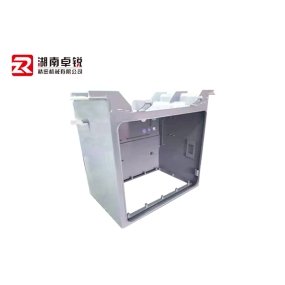
A company producing industrial testing equipment needed a customized metal shell with ventilation openings, mounting holes, and a powder-coated surface finish.
The initial design required many separate welding parts, which increased labor costs. After discussing the project with an experienced sheet metal supplier, the design was improved by reducing unnecessary parts and optimizing bending processes.
The result was a lower manufacturing cost, shorter production time, and improved consistency between batches. This example shows that a professional supplier does more than provide a price; they help customers find a better manufacturing solution.
Choosing a Supplier for Customized Sheet Metal Equipment Shell Processing
When selecting a supplier, price should not be the only consideration. A trustworthy manufacturer should have strong engineering support, modern processing equipment, quality control systems, and experience with different industries.
For companies needing customized price for sheet metal equipment shell processing for industrial equipment, EMAR provides professional sheet metal fabrication services with a focus on customized solutions, stable quality, and competitive pricing.
EMAR works with customers from design evaluation to final production. By understanding application requirements and optimizing manufacturing processes, the company helps customers control costs while achieving reliable sheet metal equipment shells.
Questions to Ask Before Accepting a Sheet Metal Processing Quote
- Does the quotation include material costs, labor costs, and surface treatment?
- What production process will be used?
- What quality inspection methods are included?
- Can the supplier support design improvements to reduce cost?
- What is the expected production time?
These questions help buyers compare suppliers more effectively and avoid choosing a quotation based only on the lowest number.
Conclusion
The customized price for sheet metal equipment shell processing depends on many details, including material, design, quantity, finishing, and quality requirements. A clear understanding of these factors helps businesses get accurate quotations and make better purchasing decisions.
Whether you need a prototype, small batch production, or large-scale manufacturing, choosing an experienced supplier can improve quality and control costs. A professional partner like EMAR can provide customized sheet metal equipment shell processing solutions that balance price, performance, and reliability.