CNC Machining Factory: How to Choose a Reliable Partner for Quality Parts
A CNC machining factory plays an important role in modern manufacturing. It helps companies produce accurate metal and plastic parts used in industries such as automotive, aerospace, electronics, medical equipment, and automation. However, choosing the right factory is not always easy. Many buyers face questions about machining quality, production ability, delivery time, cost, and whether a supplier can handle complex designs.
This guide explains how to select a reliable CNC machining factory, what quality standards to check, how costs are calculated, and how to find a factory that matches your project needs.
What Is a CNC Machining Factory?
A CNC machining factory is a manufacturing facility that uses computer-controlled machines to produce parts according to digital drawings or 3D models. These machines can cut, drill, mill, and turn different materials with high accuracy.
Unlike traditional manual machining, CNC machining allows factories to make repeated parts with stable quality. This makes it suitable for both small custom orders and large production runs.
A professional factory usually provides services including:
- CNC milling and CNC turning
- Precision machining of metal and plastic materials
- Prototype manufacturing
- Small-batch and mass production
- Surface finishing and assembly support
- Quality inspection and measurement reports
How to Choose a Reliable CNC Machining Factory
Selecting a CNC machining factory is not only about finding the lowest price. A reliable supplier should provide good quality, stable production, clear communication, and professional technical support.
1. Check the Factory's Machining Experience
Experience is one of the most important factors when choosing a supplier. A factory with years of machining experience usually understands material behavior, production challenges, and quality control methods.
For example, machining aluminum parts requires different cutting methods compared with stainless steel or titanium parts. An experienced factory can choose suitable tools and processes to avoid problems such as poor surface quality or incorrect dimensions.
When evaluating a supplier, ask about:
- Years of CNC machining experience
- Main industries served
- Types of materials processed
- Examples of previous projects
2. Review Equipment and Production Capability
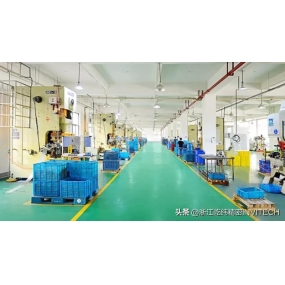
A professional high-precision CNC machining factory should have modern CNC machines and reliable inspection equipment. Advanced equipment helps improve accuracy, efficiency, and production stability.
Important equipment may include:
- 3-axis, 4-axis, and 5-axis CNC machines
- CNC turning centers
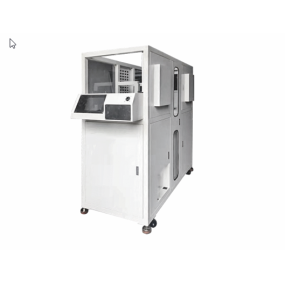
- Coordinate measuring machines (CMM)
- Surface roughness testing tools
The factory should also have enough production capacity to handle your order volume. A supplier that can only complete small projects may not be suitable for large production needs.
How to Understand CNC Machining Quality
Quality is one of the biggest concerns when working with a CNC machining factory. Good machining quality means parts meet design requirements, work correctly, and remain stable during use.
Important Quality Factors
- Dimensional accuracy: Parts should match the required measurements.
- Surface quality: Finished surfaces should meet appearance and performance requirements.
- Material control: The correct material should be used for each application.
- Inspection process: The factory should check parts before delivery.
A trustworthy supplier will not only produce parts but also provide quality records when needed. This helps customers understand that the manufacturing process is controlled.
Example: Aerospace and Automotive Parts
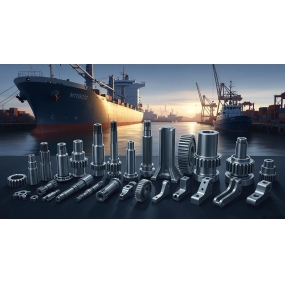
A CNC machining factory for aerospace parts must meet very strict requirements because aerospace components often work under extreme conditions. Materials such as aluminum alloys, titanium, and special steels require careful machining processes.
Similarly, a cost-efficient CNC machining factory for automotive components needs to balance speed, quality, and price. Automotive customers often require thousands of consistent parts, so production stability is very important.
Can a CNC Machining Factory Handle Different Materials?
A capable CNC machining factory should work with many materials because different industries have different needs.
Common Materials Used in CNC Machining
- Aluminum: Lightweight, easy to machine, and widely used in electronics and automotive parts.
- Stainless steel: Strong and corrosion-resistant, suitable for industrial equipment and medical parts.
- Carbon steel: Common for mechanical components requiring strength.
- Titanium: Lightweight and strong, often used in aerospace applications.
- Engineering plastics: Used for prototypes, covers, and special applications.
A reputable CNC machining factory for metal materials should understand how different materials affect cutting speed, tool selection, and finishing methods.
How Much Does CNC Machining Cost?
The price from a CNC machining factory depends on several factors. A lower quotation does not always mean better value. Poor quality or delays may increase the total cost later.
Main Factors Affecting CNC Machining Cost
- Part complexity: More complex designs usually require more machining time.
- Material type: Some materials are more difficult and expensive to process.
- Production quantity: Larger orders often reduce the cost per part.
- Tolerance requirements: Higher precision may require more inspection and processing steps.
- Surface treatment: Additional finishing processes increase the total cost.
To control costs, customers can optimize part designs, select suitable materials, and work with a factory that provides professional manufacturing advice.
Why Choose a CNC Machining Factory for Custom Parts?
Many businesses need unique components that are not available as standard products. A CNC machining factory for custom-designed parts can turn ideas, drawings, or prototypes into finished products.
Custom CNC machining is useful for:
- New product development
- Machine replacement parts
- Special industrial components
- Prototype testing
A good factory should help customers improve designs, select suitable materials, and reduce unnecessary manufacturing costs.
Why Many Companies Work with EMAR for CNC Machining Services
Choosing the right manufacturing partner can save time and reduce production risks. EMAR provides CNC machining services with experience in precision manufacturing, custom parts production, and various metal material processing.
EMAR focuses on understanding customer requirements before production begins. The company supports different project stages, from prototype development to batch manufacturing, helping customers achieve stable quality and reliable delivery.
For companies looking for a professional CNC machining factory, working with an experienced supplier like EMAR can provide advantages such as:
- Support for customized part designs
- Experience with different metal materials
- Professional machining and inspection processes
- Solutions for both simple and complex components
Questions to Ask Before Selecting a CNC Machining Factory
Before placing an order, customers should communicate clearly with the supplier. Useful questions include:
- What materials can you machine?
- What machining accuracy can you achieve?
- Can you support prototypes and mass production?
- What quality inspection methods do you use?
- Can you provide previous project examples?
- How do you manage delivery time and production risks?
Final Thoughts: Finding the Right CNC Machining Factory
The best CNC machining factory is not simply the one with the lowest price. A reliable partner should combine machining experience, advanced equipment, strong quality control, flexible production ability, and good communication.
Whether you need aerospace parts, automotive components, prototypes, or custom-designed products, choosing a factory with proven capabilities will help ensure better results. By carefully checking experience, materials, quality systems, and production capacity, businesses can build long-term partnerships with trusted CNC machining suppliers.