Detailed Introduction to the Processing Technology of Parts in Shenzhen Machinery Processing Plant
In modern manufacturing, the quality of a mechanical part directly affects the performance, safety, and service life of the final product. For companies looking for reliable suppliers, understanding the processing technology of parts in Shenzhen machinery processing plants is important because it helps them choose the right manufacturing method, control costs, and avoid quality problems.
Shenzhen is one of the important manufacturing centers in China, with advanced equipment, experienced engineers, and a complete industrial supply chain. Many industries, including automation equipment, medical devices, electronics, aerospace, and automotive manufacturing, depend on Shenzhen machining technology to produce high-precision components.
This article provides a Detailed introduction to the processing technology of parts in Shenzhen Machinery Processing Plant, explaining common processing methods, their applications, and quality control procedures. It also helps customers understand how to select the most suitable process for different parts.
Why Shenzhen Machinery Processing Technology Is Important for Modern Manufacturing
Many customers face the same problem when developing mechanical products: they know the required part specifications but are unsure which manufacturing process is suitable. Choosing the wrong method may lead to high costs, long production times, or parts that cannot meet performance requirements.
Shenzhen machinery processing plants solve this problem by combining different technologies, including CNC Machining, precision grinding, EDM, heat treatment, and surface finishing. Each technology has a specific purpose and is selected according to factors such as material, shape, accuracy requirement, and production quantity.
Professional companies such as EMAR have accumulated experience in Shenzhen parts processing technology and can provide customized solutions according to different customer requirements, from prototype development to mass production.
Main Processing Technologies Used in Shenzhen Machinery Processing Plants
1. CNC Machining in Shenzhen Parts: High Precision and Flexible Production
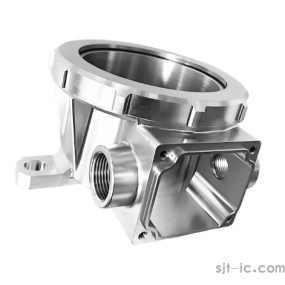
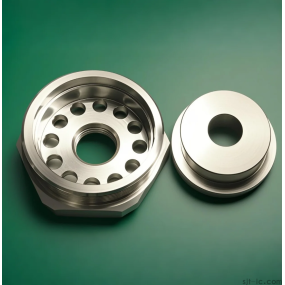
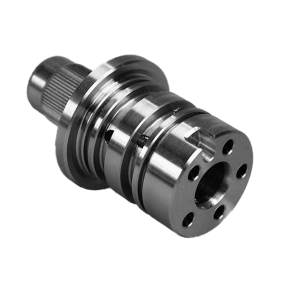
CNC machining in Shenzhen parts is one of the most widely used technologies in precision manufacturing. CNC machines use computer-controlled programs to automatically operate cutting tools, allowing manufacturers to produce complex parts with high accuracy.
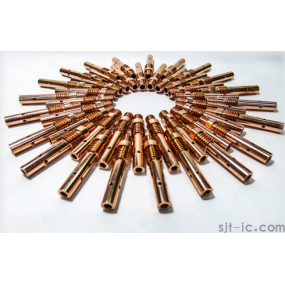
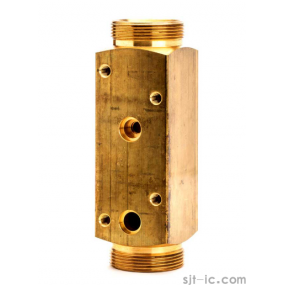
CNC machining is suitable for parts that require precise dimensions, complicated structures, or excellent surface quality. Common materials include aluminum, stainless steel, copper, titanium, and engineering plastics.
For example, a customer may need a small aluminum housing for an automation device. The part may include multiple holes, curved surfaces, and strict size requirements. CNC machining can complete these features accurately in one production process, reducing assembly problems.
The main advantages of CNC machining include:
- High dimensional accuracy and repeatability.
- Ability to produce complex shapes.
- Suitable for prototypes and small-to-medium production volumes.
- Reduced human operation errors through automated control.
2. EDM Technology for Shenzhen Components: Processing Difficult Shapes
EDM technology for Shenzhen components is an advanced method that uses electrical discharge to remove metal material. Unlike traditional cutting methods, EDM does not require direct contact between the tool and the workpiece.
This technology is especially useful for processing hard materials or parts with narrow slots, deep holes, and complex internal structures.
For example, precision molds used in electronic products often contain very small and complicated details. Normal cutting tools may not easily process these areas, but EDM can achieve the required accuracy.
The advantages of EDM include:
- Ability to process hardened materials.
- Suitable for complex shapes and fine details.
- Provides stable accuracy for precision components.
3. Grinding in Shenzhen Machining: Improving Surface Accuracy
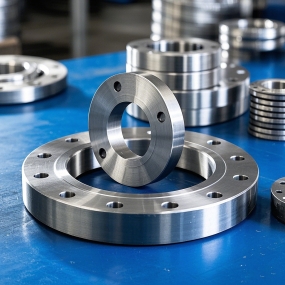
Grinding in Shenzhen machining is mainly used when parts require extremely high precision and smooth surfaces. Grinding uses abrasive wheels to remove small amounts of material and improve the final accuracy of the component.
This process is commonly used for shafts, precision guides, molds, and mechanical parts that require tight tolerance control.
For example, a precision shaft used in automation equipment may need a very smooth surface to reduce friction during operation. Grinding can improve the surface finish and ensure stable movement.
Grinding is important because it can:
- Achieve very tight dimensional tolerances.
- Improve surface smoothness.
- Increase the working life of mechanical parts.
4. Heat Treatment in Shenzhen Parts: Enhancing Material Performance
Heat-treatment in Shenzhen parts is a process that changes the internal structure of metal through controlled heating and cooling. It improves important properties such as hardness, strength, and wear resistance.
Different parts require different heat treatment methods. For example, gears may need higher hardness to resist wear, while structural components may require better toughness to prevent cracking.
Common heat treatment methods include:
- Annealing: Reduces internal stress and improves material processing ability.
- Quenching: Increases hardness and strength.
- Tempering: Improves toughness and reduces brittleness.
Proper heat treatment helps parts maintain stable performance even under heavy loads or long-term operation.
How to Choose the Right Processing Method for a Specific Part
Selecting the correct processing method is one of the biggest challenges for customers. A good decision should consider several factors instead of focusing only on price.
1. Consider the Part Material
Different materials require different machining methods. Aluminum is easy to machine and suitable for CNC processing, while hardened steel may require EDM or grinding after heat treatment.
2. Consider Accuracy Requirements
If a part only needs normal dimensional accuracy, standard CNC machining may be enough. However, parts used in precision equipment may require additional grinding or inspection processes.
3. Consider Production Quantity
For one prototype or small batches, CNC machining provides flexibility. For large quantities, manufacturers may recommend special tooling or automated processes to improve efficiency.
4. Consider the Working Environment
Parts used in high-temperature, high-pressure, or high-speed environments often need special materials and heat treatment processes to ensure reliability.
Quality Control of Shenzhen Processing: Ensuring Reliable Parts
Quality control of Shenzhen processing is a key factor that determines whether manufactured parts can meet customer expectations. A professional machinery processing plant does not only focus on production speed but also controls quality throughout the entire manufacturing process.
Important quality control steps include:
- Material Inspection: Raw materials are checked to confirm they meet required standards before production begins.
- Process Monitoring: Engineers check machining parameters, tool conditions, and production status during processing.
- Dimensional Inspection: Precision measuring equipment is used to verify part size, position, and tolerance.
- Final Inspection: Finished parts are checked for appearance, function, and performance before delivery.
Advanced inspection equipment, such as coordinate measuring machines (CMM), optical measuring systems, and surface testing equipment, helps manufacturers maintain stable quality.
Common Problems Customers Face and How Professional Processing Plants Solve Them
Problem 1: The Part Design Is Difficult to Manufacture
Some customers provide drawings without considering manufacturing limitations. Experienced engineers can review the design and suggest improvements, such as changing machining methods or adjusting tolerances.
Problem 2: The Part Accuracy Does Not Meet Requirements
This problem may come from incorrect machining parameters, unsuitable tools, or insufficient inspection. Professional plants solve it by optimizing processes and performing strict quality checks.
Problem 3: Production Cost Is Too High
A suitable process selection can reduce unnecessary operations. For example, combining CNC machining with proper finishing methods may achieve the required quality without increasing production costs.
EMAR's Expertise in Shenzhen Parts Processing Technology
Choosing a reliable machinery processing partner is important for achieving stable product quality. EMAR focuses on Shenzhen parts processing technology and provides professional manufacturing solutions based on customer drawings, materials, and performance requirements.
With experience in precision machining, process optimization, and quality management, EMAR can support different industries with customized part processing services. From CNC machining and EDM processing to grinding, heat treatment, and inspection, the company aims to provide reliable solutions for customers who require high-quality mechanical components.
Conclusion: Understanding Processing Technology Helps You Choose Better Manufacturing Solutions
The processing technology used by Shenzhen machinery processing plants includes many methods, and each method has its own application advantages. CNC machining provides flexibility and precision, EDM handles complex structures, grinding improves accuracy, and heat treatment enhances material performance.
Understanding these technologies helps customers communicate better with manufacturers and choose the most suitable production method. By working with experienced suppliers and applying strict quality control, companies can obtain reliable parts with stable performance and competitive costs.