How Much Does Chassis Sheet Metal Processing Cost?
Many customers ask, “How much does chassis sheet metal processing cost?” The answer depends on several factors, including the material used, design complexity, production technology, order quantity, and extra services. There is no fixed price for every project because each chassis sheet metal part has different requirements.
Understanding the cost structure can help businesses make better decisions, control budgets, and choose the right manufacturing partner. This guide explains the main factors affecting chassis sheet metal processing cost, including material costs, processing technology costs, and additional expenses.
Main Factors Affecting Chassis Sheet Metal Processing Cost
The final price of chassis sheet metal processing is usually calculated by combining several cost elements. A professional manufacturer will consider the following points before providing a quotation:
- Material type and thickness: Different metals have different prices and processing difficulties.
- Part design complexity: More bends, holes, welding points, and special structures increase production time.
- Manufacturing technology: Laser cutting, CNC bending, welding, surface treatment, and inspection all affect the total cost.
- Production quantity: Larger orders usually reduce the cost per piece because setup costs are spread across more units.
- Quality requirements: Higher accuracy standards and stricter inspections may increase costs.
Cost Breakdown of Chassis Sheet Metal Processing
A complete cost-breakdown of chassis sheet metal processing normally includes material costs, machine processing costs, labor costs, surface finishing, quality inspection, and packaging.
1. Material-Related Costs in Chassis Sheet Metal Processing
Materials are one of the biggest parts of chassis sheet metal processing costs. The choice of metal affects both the product performance and the final price.
- Stainless steel: Offers excellent corrosion resistance and durability but usually costs more.
- Carbon steel: A common choice because it provides good strength at a lower price.
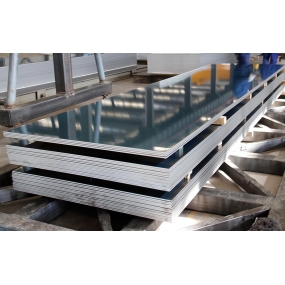
- Aluminum: Lightweight and corrosion-resistant, but machining costs can be higher.
Thickness also plays an important role. A thicker sheet requires more cutting force, longer bending time, and stronger equipment. For example, a 1.5 mm steel chassis cover will usually cost less to process than a 5 mm heavy-duty industrial chassis frame.
2. Processing Technology-Based Costs for Chassis Sheet Metal
The manufacturing method has a direct impact on the quotation. The main processing-technology-based costs for chassis sheet metal include:
- Laser cutting: Used for accurate cutting of sheet metal shapes. Complex patterns may require more machine time.
- CNC bending: The number of bends and bending accuracy requirements influence the cost.
- Welding: Manual or automated welding costs depend on the structure and quantity of weld points.
- Machining: Additional drilling, tapping, or precision machining increases production expenses.
- Surface treatment: Powder coating, painting, polishing, and plating add extra costs but improve appearance and protection.
For example, a simple electrical equipment chassis that only requires laser cutting and bending may have a lower processing cost than an industrial machine chassis requiring welding, grinding, coating, and strict dimensional inspection.
Additional Expenses That Influence the Final Price
Besides basic manufacturing costs, several additional expenses should be considered when estimating chassis sheet metal processing prices.
- Engineering and design support: Custom drawings, CAD adjustments, and production preparation may require engineering time.
- Tooling costs: Special fixtures or molds may be needed for large-volume production.
- Quality inspection: Precision measurement, testing reports, and inspection records add value but may increase costs.
- Packaging and transportation: Large or delicate chassis parts require stronger packaging methods.
How Production Quantity Changes Chassis Sheet Metal Processing Cost
Order quantity is another important cost factor. Small-batch production usually has a higher unit price because machine setup, programming, and preparation costs are divided among fewer parts.
For example:
- A company ordering 10 custom chassis panels may pay a higher price per piece.
- A company ordering 1,000 identical chassis panels can reduce the average cost because production becomes more efficient.
When planning a project, customers should consider future demand and discuss possible volume discounts with manufacturers.
Real-Life Example of Chassis Sheet Metal Cost Calculation
Assume a customer needs a custom steel equipment chassis. The project requires:
- 2 mm carbon steel sheet material
- Laser cutting
- CNC bending
- Welding and surface coating
- Final quality inspection
The cost may be divided approximately as follows:
- Material cost: 30%–40%
- Cutting and bending processing: 25%–35%
- Welding and assembly: 15%–25%
- Surface treatment and inspection: 10%–20%
The exact percentage changes depending on the design, material price, and production requirements. A professional manufacturer will review drawings and specifications before giving an accurate quotation.
Cost-Effective Ways for Chassis Sheet Metal Processing
Customers can reduce expenses without reducing product quality by following several practical methods:
- Optimize the design: A simpler structure with fewer unnecessary bends and welds can reduce processing time.
- Select suitable materials: Choose the right metal grade based on performance needs instead of automatically choosing the most expensive option.
- Increase order quantity when possible: Larger production runs often reduce the average cost.
- Work with an experienced manufacturer: Skilled suppliers can reduce waste, improve efficiency, and prevent production problems.
- Combine multiple services: Using one supplier for cutting, bending, welding, and finishing can reduce coordination costs.
Choosing a Reliable Chassis Sheet Metal Processing Partner
Price is important, but it should not be the only factor when selecting a supplier. A low quotation may lead to problems such as poor accuracy, material waste, or delayed delivery.
A reliable chassis sheet metal processing company should provide:
- Professional engineering support
- Advanced CNC and laser processing equipment
- Strict quality control procedures
- Experience with customized chassis projects
- Clear and detailed quotations
EMAR provides customized chassis sheet metal processing services with a focus on quality, efficiency, and competitive pricing. With professional production capabilities, EMAR helps customers control manufacturing costs while meeting different design and performance requirements. From prototype development to mass production, the company supports customers with reliable sheet metal solutions.
Conclusion
So, how much does chassis sheet metal processing cost? The answer depends on many details, including material selection, design complexity, processing methods, order volume, and additional services.
Understanding the factors affecting chassis sheet metal processing cost helps customers prepare realistic budgets and avoid unexpected expenses. By choosing suitable materials, optimizing designs, and working with an experienced manufacturer, businesses can achieve high-quality chassis products at a reasonable cost.