
General Price for CNC Machining: A Complete Guide to Understanding CNC Machining Costs
When customers plan to manufacture metal or plastic parts, one of the first questions they ask is about the general price for CNC machining. The cost of CNC machining is not a fixed number because every project has different requirements. Material choice, part design, production quantity, machine type, and finishing needs can all change the final price.
Understanding how CNC machining prices are calculated helps buyers make better decisions, control budgets, and choose the right machining partner. This guide explains the main factors affecting CNC machining price and provides practical examples to help you estimate costs more accurately.
What Is the General Price for CNC Machining?
The general price for CNC machining usually depends on the time, equipment, materials, and labor needed to complete a part. For simple parts, CNC machining may cost a lower amount, while complex precision components with strict requirements can be much more expensive.
In many cases, CNC machining costs are calculated by considering:
- Material cost
- Machine operating time
- Programming and setup time
- Part complexity
- Production quantity
- Surface treatment and inspection requirements
For example, a simple aluminum bracket made in a medium batch may have a lower unit cost than a complex stainless steel aerospace component requiring multiple machining steps and strict quality checks.
Main Factors Affecting CNC Machining Price
1. Material Type and Material-Based CNC Machining Price
One of the most important factors affecting CNC machining price is the material selected for the part. Different materials have different purchase costs and machining difficulties.
The material-based CNC machining price can change depending on:
- Aluminum: Usually easier to machine, lightweight, and cost-effective for many applications.
- Stainless steel: Strong and corrosion-resistant but requires more machining time and tool wear.
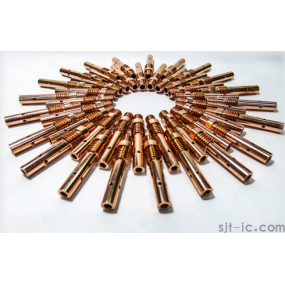
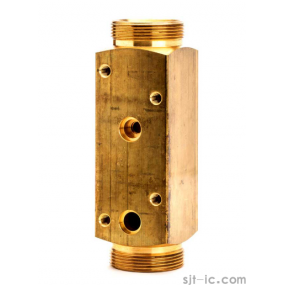
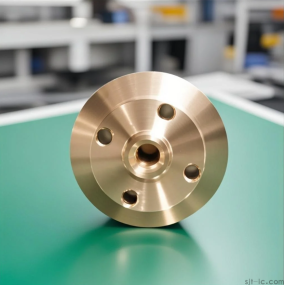
- Copper and brass: Good electrical and mechanical properties but may have higher material costs.
- Engineering plastics: Often suitable for lightweight parts and prototypes.
For example, producing the same design in aluminum and stainless steel may result in different prices because stainless steel normally requires slower machining speeds and more careful processing.
2. Machining Complexity Impact on CNC Machining Price
The design of a part has a direct effect on the final cost. The machining-complexity impact on CNC machining price is mainly related to the amount of work required to create the part.
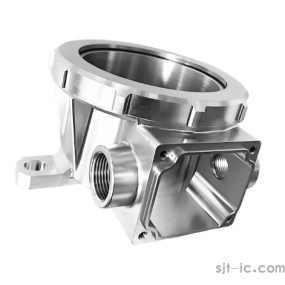
Simple parts with flat surfaces and basic holes usually need less programming and machining time. Complex parts with curved surfaces, deep cavities, tight tolerances, or multiple machining angles require more operations.
For example:
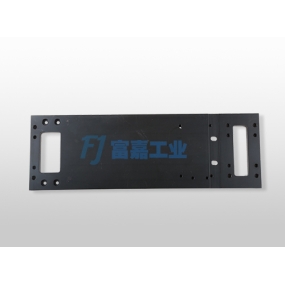
- A simple metal plate with several drilled holes can be produced quickly.
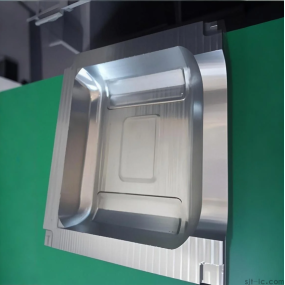
- A precision mechanical component with complicated shapes may require advanced CNC equipment and additional inspection.
To reduce costs, customers can work with engineers to optimize designs while keeping the required function and quality.
3. Batch Size Influence on CNC Machining Price
The production quantity also plays an important role. The batch-size influence on CNC machining price is mainly related to setup costs and production efficiency.
- Prototype production: A small number of parts usually has a higher unit price because programming and machine setup costs are spread over fewer pieces.
- Small and medium batches: Costs can be reduced because setup time is shared across more products.
- Large-volume production: Automated processes can lower the average cost per part.
For example, making one custom aluminum component may require several hours of preparation, but producing 500 identical components allows the setup cost to be divided among many units.
4. Machine Type and Production Requirements
The type of CNC machine used also affects pricing. Different machines provide different levels of speed, accuracy, and processing ability.
- 3-axis CNC machines: Suitable for many standard parts and often provide economical solutions.
- 4-axis and 5-axis CNC machines: Better for complex parts but may have higher operating costs.
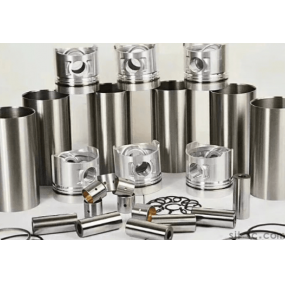
- CNC turning machines: Commonly used for round components such as shafts and rings.
Selecting the correct machine type is important. Using advanced equipment for a simple part may increase unnecessary costs, while using unsuitable equipment may affect quality and delivery time.
5. Surface-Finish Related CNC Machining Price
Surface treatment requirements can also influence the final quotation. The surface-finish related CNC machining price depends on the additional processes needed after machining.
Common surface finishing options include:
- Anodizing for aluminum parts
- Powder coating for improved appearance and protection
- Polishing for smooth surfaces
- Plating for corrosion resistance
A standard machined surface usually costs less than a part requiring a high-quality decorative finish or special protective coating.
How CNC Machining Companies Calculate a Quotation
A professional CNC machining supplier normally reviews several details before providing a price:
- Part drawings or 3D models
- Required materials
- Quantity needed
- Accuracy requirements
- Surface finishing requirements
- Delivery schedule
This process ensures that the quotation matches the actual manufacturing requirements instead of providing an inaccurate estimate.
Practical Examples of CNC Machining Cost Differences
Consider two customers who need custom metal parts:
Customer A: Needs 100 simple aluminum brackets with standard finishing. The design is easy to process, and the batch size helps reduce setup costs. The machining price will usually be more economical.
Customer B: Needs 10 complex stainless steel parts with tight tolerances and polished surfaces. The material, machining time, and finishing requirements will increase the overall cost.
These examples show why CNC machining prices can vary greatly even when the parts look similar in size.
How to Reduce CNC Machining Costs
Customers can take several steps to achieve better value:
- Choose materials based on actual performance needs instead of selecting expensive materials unnecessarily.
- Optimize part designs to reduce unnecessary machining operations.
- Order suitable quantities to spread setup costs.
- Discuss finishing requirements early with the manufacturer.
- Choose an experienced supplier with efficient production processes.
Choosing a Cost-Effective CNC Machining Partner
Finding the right supplier is just as important as understanding the price factors. A reliable CNC machining company should provide stable quality, accurate production, reasonable lead times, and clear communication.
EMAR provides CNC machining services designed to balance quality and cost. With professional machining experience, flexible production capabilities, and attention to customer requirements, EMAR helps customers select suitable materials, optimize manufacturing processes, and control production costs.
Whether customers need prototypes, small batches, or larger production runs, working with an experienced CNC machining provider can help achieve reliable parts at a competitive price.
Conclusion: Understanding CNC Machining Prices Before Production
The general price for CNC machining depends on many connected factors, including material selection, design complexity, production quantity, machine choice, and surface finishing needs. There is no single price that fits every project.
By understanding these cost factors and communicating clearly with a professional manufacturer, customers can make smarter decisions and receive better value. A careful evaluation of requirements before production is the best way to achieve high-quality CNC machined parts while keeping costs under control.