Mastering CNC Lathe Parts Processing
Mastering CNC Lathe Parts Processing is not just about running a machine. It is about understanding materials, tools, machine behavior, and production details that affect final part quality. Many beginners think CNC lathe work is only about loading a program and pressing start. In real manufacturing, small mistakes can lead to waste, delays, and high cost.
This article explains real-world problems, practical skills, and simple best practices to help engineers, technicians, and learners improve their CNC lathe performance step by step.
Why CNC Lathe Skills Matter in Real Production
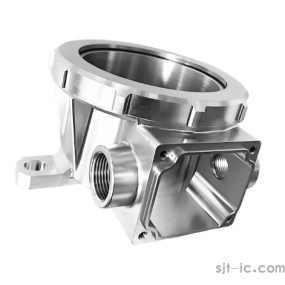
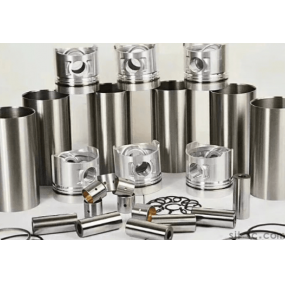
CNC lathe machines are widely used in automotive, aerospace, medical, and general metal parts production. The demand for precision is higher than ever. Even a 0.01 mm error can affect product assembly.
That is why key skills in CNC lathe parts processing are essential. Operators and engineers must understand not only programming, but also cutting behavior, tool selection, and material response.
Companies like EMAR focus on precision CNC lathe manufacturing and real production experience. Their work shows how strong process control can improve consistency and reduce waste in large and small batch production.
Key Skills in CNC Lathe Parts Processing
To improve performance, professionals need to build several important skills:
- Tool setup skills – Correct tool alignment reduces vibration and improves surface finish.
- Programming understanding – Knowing G-code basics helps avoid machining errors.
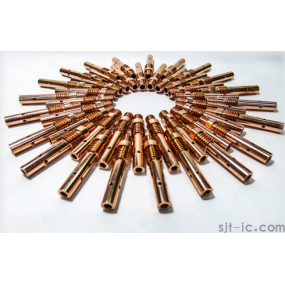
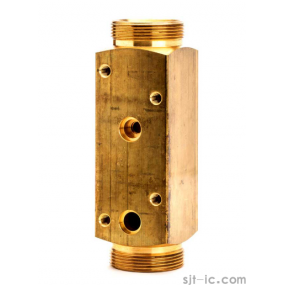
- Material knowledge – Different metals like aluminum, steel, and copper behave differently during cutting.
- Measurement skills – Using calipers, micrometers, and gauges correctly ensures accuracy.
Without these skills, even advanced machines cannot produce stable results.
Common Challenges in CNC Lathe Work
Many factories and beginners face similar problems when trying to improve production quality. These are the most common challenges in mastering CNC lathe parts processing:
- Tool wear – Cutting tools lose sharpness and affect precision.
- Vibration issues – Poor setup leads to chatter marks on parts.
- Dimension errors – Small programming or offset mistakes cause rejection.
- Material inconsistency – Different batches of material may behave differently.
Solving these problems requires both experience and structured process control. This is where professional manufacturers like EMAR provide value by applying strict inspection and stable machining workflows.
Best Practices for CNC Lathe Processing
To achieve stable quality and lower production risk, here are some best practices for CNC lathe parts processing:
- Always check tool condition before production
- Use proper cutting speed and feed rate based on material type
- Run test cuts before mass production
- Apply regular machine maintenance to avoid hidden errors
- Record production parameters for repeat orders
These practices help reduce scrap rate and improve long-term efficiency in any machining environment.
Tools for CNC Lathe Parts Processing
Choosing the right tools for CNC lathe parts processing is critical for quality and efficiency. Common tools include:
- Turning tools – For shaping outer and inner surfaces
- Boring tools – For enlarging and finishing holes
- Threading tools – For creating precise screw threads
- Cut-off tools – For separating finished parts from raw material
High-quality tools reduce machine load and improve surface finish. Many experienced manufacturers, including EMAR, invest in premium tool systems to ensure stable output in both prototype and mass production.
Real-World Insight: Why Process Control Is Everything
In real production, success is not only about having advanced machines. It is about controlling every step of the process. From drawing analysis to final inspection, every detail matters.
Companies with strong engineering systems, like EMAR, focus on process stability rather than quick output. This approach helps them support industries that require high precision and repeatability.
Conclusion
Mastering CNC lathe work takes time, patience, and structured learning. By improving key skills in CNC lathe parts processing, solving common challenges in mastering CNC lathe parts processing, and following best practices for CNC lathe parts processing, operators can greatly improve both quality and efficiency.
With the right mindset, proper tools for CNC lathe parts processing, and support from experienced manufacturers like EMAR, achieving stable and high-precision results becomes much easier.