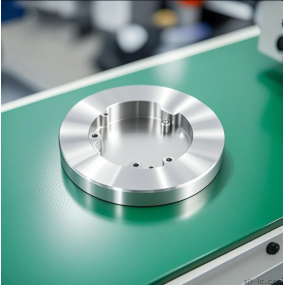
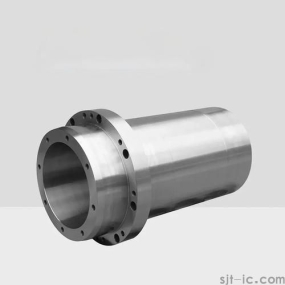
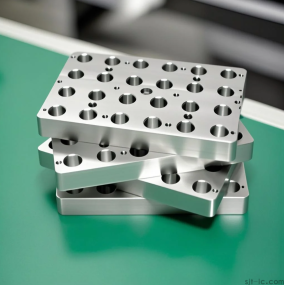
The Definitive Guide to Parameters for CNC Machining Stainless Steel
Stainless steel is one of the most widely used materials in modern manufacturing. It is strong, corrosion-resistant, and suitable for medical, automotive, and industrial parts. However, it is also difficult to machine. Many engineers struggle with heat buildup, tool wear, and poor surface finish.
This article, The Definitive Guide to Parameters for CNC Machining Stainless Steel, explains the most important settings in a simple way. It focuses on real problems and practical solutions so that even non-native English speakers can understand and apply them in daily production.
Why CNC Machining Stainless Steel is Challenging
Stainless steel is not like aluminum or mild steel. It tends to harden during cutting, which increases tool wear. It also generates high heat during machining. If parameters are not correct, you may face:
- Poor surface finish
- Broken or worn-out cutting tools
- Dimensional inaccuracy
- Chatter and vibration
Understanding the correct CNC machining parameters is the key to solving these problems.
Cutting Speed Parameters for CNC Machining Stainless Steel
One of the most important factors is cutting speed parameters for CNC machining stainless steel. Cutting speed controls how fast the tool moves across the material surface.
For stainless steel, cutting speed must be lower than for aluminum because the material produces more heat and resistance. If the speed is too high, tools wear quickly. If it is too low, productivity drops.
General guidance:
- Austenitic stainless steel (304, 316): use lower cutting speed
- Martensitic stainless steel: slightly higher speed but still controlled
The best practice is to start with conservative speeds and adjust based on tool wear and surface quality.
Feed Per Tooth in CNC Machining of Stainless Steel
Another key factor is feed per tooth in CNC machining of stainless steel. This refers to how much material each cutting edge removes per revolution.
If feed per tooth is too low, the tool rubs instead of cutting, causing heat buildup. If it is too high, the tool may break or produce rough surfaces.
Practical tips:
- Use a stable and consistent feed rate
- Avoid extremely low feed values
- Match feed with tool diameter and flute count
Balanced feed per tooth improves tool life and surface finish at the same time.
Tool Geometry Parameters for CNC Stainless Steel Machining
The tool geometry parameters for CNC stainless steel machining are often ignored, but they play a very important role in performance.
Good tool geometry helps reduce cutting force and heat. Poor design leads to vibration and early tool failure.
Important tool geometry features include:
- Sharp cutting edges to reduce cutting resistance
- Proper rake angle for smooth chip flow
- Strong core design for stability
- Coated tools (TiAlN or similar) for heat resistance
Using the right tool geometry can significantly improve machining stability, especially in deep cuts or complex shapes.
Coolant Settings for CNC Machining Stainless Steel
Heat is one of the biggest problems in stainless steel machining. That is why coolant settings for CNC machining stainless steel are critical.
Coolant helps reduce temperature, remove chips, and improve surface finish. Without proper cooling, tools wear out quickly.
Best practices include:
- Use high-pressure coolant for deep cuts
- Apply coolant directly to the cutting zone
- Ensure continuous flow during machining
- Avoid dry cutting unless specially designed tools are used
Good coolant management can extend tool life significantly and improve production stability.
How to Balance All Parameters Together
In real production, no parameter works alone. Cutting speed, feed, tool geometry, and coolant must be balanced together. Changing one setting will affect the others.
For example:
- If cutting speed is reduced, feed may need adjustment
- If tool geometry is improved, higher speeds may become possible
- If coolant is optimized, tool life increases even at stable speeds
Experienced machinists always test and adjust parameters step by step instead of changing everything at once.
Common Mistakes in Stainless Steel CNC Machining
Many machining problems come from simple mistakes:
- Using too high cutting speed
- Ignoring chip control
- Using wrong tool coating
- Poor coolant direction
Avoiding these mistakes can immediately improve production quality and reduce cost.
Industry Expertise and Real-World Experience
In industrial production, success depends on experience as much as theory. Companies with strong engineering backgrounds understand how small parameter changes affect final results.
:contentReference[oaicite:0]{index=0} has extensive experience in stainless steel CNC machining for precision parts. Their engineering team focuses on optimizing cutting parameters, improving tool life, and achieving stable mass production quality.
This kind of practical expertise is especially important for industries like medical devices, automotive components, and high-precision machinery, where tolerance and surface quality are critical.
Conclusion
Mastering stainless steel machining is not about one perfect setting. It is about understanding the relationship between cutting speed, feed per tooth, tool geometry, and coolant.
When you apply the right balance of these factors from The Definitive Guide to Parameters for CNC Machining Stainless Steel, you can reduce tool wear, improve surface finish, and increase production efficiency.
With proper knowledge and experienced partners like :contentReference[oaicite:1]{index=1}, stainless steel machining becomes more stable, predictable, and cost-effective.