Metal Plastic Precision Stamping: Process, Benefits, Quality Control, and Cost Considerations
In modern manufacturing, many industries need parts that are lightweight, accurate, durable, and produced in large quantities. Metal plastic precision stamping is a manufacturing method that combines metal stamping technology with plastic components or plastic forming processes to create complex and high-performance parts.
However, many companies face challenges when choosing this process, such as controlling production costs, maintaining part accuracy, selecting suitable materials, and ensuring stable quality during mass production. Understanding the process and important factors can help manufacturers make better decisions and avoid common production problems.
What Is Metal Plastic Precision Stamping?
Metal plastic precision stamping is a manufacturing process used to produce precision components by forming metal sheets, metal inserts, or plastic materials through stamping, molding, and other processing methods. Depending on product requirements, metal and plastic parts can be combined to achieve better mechanical strength, insulation, wear resistance, or weight reduction.
This process is widely used for small and complex parts because it can provide high production efficiency and consistent dimensions. It is especially suitable for industries that require large quantities of reliable components.
Common Challenges in Metal Plastic Precision Stamping
Although this manufacturing method has many benefits, companies often encounter several practical difficulties:
- Material selection problems: Different metals and plastics have different strength, flexibility, and temperature resistance. Choosing unsuitable materials may cause deformation or product failure.
- High precision requirements: Small errors in stamping molds or processing parameters can affect assembly accuracy.
- Quality consistency during mass production: Maintaining the same dimensions and appearance for thousands or millions of parts requires strict process control.
- Cost pressure: Tooling, material waste, and production efficiency directly influence the final manufacturing cost.
Solving these problems requires experience in design, tooling, machining, and inspection. A professional manufacturing partner can help reduce risks before production begins.
Key Techniques in Metal Plastic Precision Stamping
The success of metal plastic precision stamping depends on several important manufacturing techniques:
1. Precision Mold Design
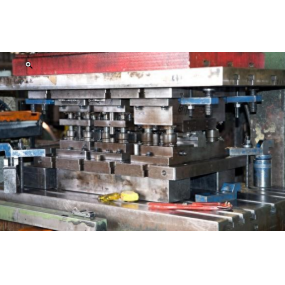
The stamping mold is one of the most important factors affecting part quality. A well-designed mold improves dimensional accuracy, reduces material waste, and extends tool life. Engineers need to consider material thickness, product structure, forming force, and production volume when designing molds.
2. Accurate Material Matching
Different applications require different material combinations. For example, copper and aluminum may be selected for electrical performance, while stainless steel may be used for strength and corrosion resistance. Plastic materials are chosen according to requirements such as heat resistance, insulation, and durability.
3. Advanced Processing Equipment
Modern stamping machines, CNC equipment, and inspection tools help manufacturers achieve stable production. Combining precision stamping with CNC Machining can improve the accuracy of complex components and support customized designs.
Advantages of Metal Plastic Precision Stamping
Many manufacturers choose this process because it provides several important advantages:
- High production efficiency: Precision stamping can produce large quantities of parts quickly after the tooling process is completed.
- Excellent dimensional accuracy: Properly controlled stamping processes can maintain consistent part sizes.
- Reduced material waste: Optimized designs help improve material usage and lower production costs.
- Flexible product design: Combining metal and plastic allows engineers to create parts with improved performance.
- Suitable for mass production: It is ideal for industries requiring stable supply and consistent quality.
These advantages make metal plastic precision stamping a practical choice for manufacturers looking for reliable and efficient production solutions.
Quality Control in Metal Plastic Precision Stamping
Quality control is a critical part of the manufacturing process. Without proper inspection and monitoring, even small production errors can lead to product failures and increased costs.
A complete quality control system usually includes:
- Checking raw material quality before production.
- Testing mold accuracy and machine settings.
- Monitoring production parameters during stamping.
- Inspecting finished parts using precision measuring equipment.
- Performing functional tests based on customer requirements.
Manufacturers with strong engineering experience can identify potential issues early and improve production reliability. This is especially important for industries such as electronics, automotive, medical equipment, and industrial machinery.
Applications of Metal Plastic Precision Stamping
Because of its excellent combination of strength, precision, and production efficiency, metal plastic precision stamping is used in many fields.
- Electronics industry: Used for connectors, terminals, housings, and precision structural parts.
- Automotive industry: Used for lightweight components, electrical parts, and interior mechanisms.
- Medical equipment: Used for precision components requiring strict dimensional control.
- Consumer products: Used for durable and compact components in daily products.
- Industrial equipment: Used for parts requiring long service life and stable performance.
Cost-Effectiveness in Metal Plastic Precision Stamping
Many companies focus on reducing manufacturing costs while maintaining quality. The cost-effectiveness of metal plastic precision stamping depends on several factors:
- Production quantity and order volume.
- Material selection and material utilization rate.
- Mold design and maintenance costs.
- Production speed and automation level.
- Quality control efficiency.
For large-volume production, the initial tooling investment can often be balanced by lower unit costs over time. Good process planning can also reduce waste, rework, and unnecessary expenses.
How to Choose a Reliable Manufacturing Partner
Choosing the right supplier is important for achieving stable quality and competitive pricing. A reliable manufacturer should have:
- Experienced engineers who understand stamping and material behavior.
- Advanced production equipment and inspection systems.
- Strong quality management procedures.
- The ability to support customized designs and complex requirements.
- Good communication throughout product development.
Companies that require both precision stamping and machining support may benefit from working with manufacturers that offer multiple processing capabilities. EMAR provides professional CNC processing services with experience in precision manufacturing, helping customers develop accurate components and improve production efficiency through reliable machining solutions.
Conclusion
Metal plastic precision stamping is an effective manufacturing solution for producing accurate, durable, and cost-efficient components. By focusing on key techniques, proper material selection, strict quality control, and optimized production planning, manufacturers can achieve better product performance and lower long-term costs.
For companies developing customized parts, selecting an experienced manufacturing partner with precision processing capabilities can make the production process smoother and more reliable.