
Metal Stamping Manufacturing: A Practical Guide to Process, Quality, Cost, and Choosing the Right Manufacturer
Metal stamping manufacturing is one of the most widely used production methods for making metal parts in industries such as automotive, electronics, appliances, machinery, and industrial equipment. It helps companies produce large quantities of metal components with consistent quality, fast production speed, and controlled costs.
For businesses looking for metal parts, the biggest challenges are usually choosing the right manufacturing process, finding a reliable supplier, controlling production costs, and ensuring product quality. This guide explains how metal stamping manufacturing works, what to look for in a manufacturer, and how companies can achieve better results.
What Is Metal Stamping Manufacturing?
Metal stamping manufacturing is a production process that uses stamping machines and specially designed tools to shape flat metal sheets into specific parts. The process usually includes cutting, bending, forming, punching, and pressing operations.
Unlike manual metal fabrication, stamping allows manufacturers to produce thousands or even millions of identical parts efficiently. This makes it a popular choice for industries that need reliable and repeatable metal components.
Common materials used in metal stamping manufacturing include:
- Stainless steel for corrosion resistance and durability
- Carbon steel for strong and affordable components
- Aluminum for lightweight applications
- Copper and brass for electrical conductivity
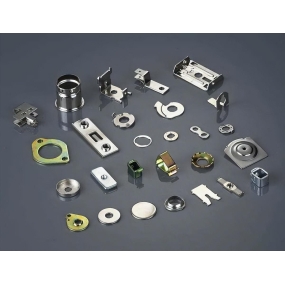
Typical stamped products include brackets, covers, connectors, clips, housings, washers, and structural components.
How Does the Metal Stamping Manufacturing Process Work?
Understanding the production process helps buyers evaluate whether a manufacturer has the right experience and capabilities.
1. Product Design and Engineering Review
The process starts with reviewing the product drawings, material requirements, dimensions, and production goals. Experienced manufacturers analyze the design to identify possible problems before production begins.
A professional supplier may suggest improvements that reduce material waste, simplify production, or improve part strength. This early communication can save both time and money.
2. Stamping Tool and Mold Development
Stamping requires specially designed dies or molds. The quality of these tools directly affects the accuracy and consistency of finished parts.
For custom-designed metal stamping manufacturing, manufacturers create tools based on the customer's unique requirements. A reliable company should have strong mold design abilities and strict testing procedures before mass production.
3. Metal Sheet Stamping Production
During production, metal sheets are placed into stamping equipment where pressure forms them into the required shape. Depending on the design, one part may require several stamping steps.
Modern production lines often combine automated feeding systems, precision machines, and inspection equipment to improve efficiency.
4. Quality Inspection and Finishing
Quality control is an important part of metal stamping manufacturing. Professional manufacturers inspect dimensions, surface conditions, material strength, and overall performance.
Additional finishing processes may include:
- Deburring to remove sharp edges
- Cleaning to improve surface quality
- Plating or coating for better protection
- Assembly services for finished products
How to Choose a Reliable Metal Stamping Manufacturing Company
Choosing the right supplier is one of the most important decisions for companies purchasing stamped metal parts. A low price does not always mean the best value. Buyers should consider several factors.
1. Check Manufacturing Experience
A manufacturer with years of experience usually understands material behavior, tooling design, and production challenges better. Ask about previous projects, industries served, and similar products they have produced.
For example, a company producing automotive brackets should understand the strict requirements of metal stamping manufacturing for automotive components, including durability, accuracy, and repeatability.
2. Evaluate Production Equipment
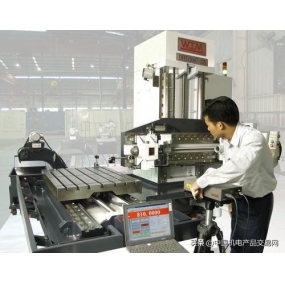
Advanced equipment helps improve product consistency and production speed. Reliable manufacturers should have suitable stamping machines, inspection tools, and production management systems.
Companies that invest in modern equipment are usually better prepared for high-volume orders and complex designs.
3. Review Quality Control Systems
A trustworthy manufacturer should have clear quality procedures from raw material inspection to final product testing.
Important quality control steps include:
- Checking incoming metal materials
- Testing stamping dimensions during production
- Inspecting finished parts before shipment
- Keeping production records for traceability
4. Consider Communication and Customer Support
Good communication reduces production mistakes. A reliable supplier should respond quickly, explain technical information clearly, and provide solutions when problems appear.
Manufacturers such as EMAR focus on providing professional metal stamping manufacturing services, supporting customers from product design review and tooling development to mass production and quality inspection.
Applications of Metal Stamping Manufacturing
Metal stamping is used in many industries because it provides strong parts with efficient production costs.
Automotive Industry
Metal stamping manufacturing for automotive components is widely used for producing vehicle brackets, body parts, support frames, clips, and structural components. Automotive manufacturers require parts that are accurate, durable, and consistent over large production volumes.
Electronics Industry
Metal stamping manufacturing for electronics helps create small and precise components such as connectors, shielding covers, terminals, and electronic brackets.
Because electronic products often require small parts with tight dimensions, manufacturers need strong precision control and careful inspection.
Industrial Equipment
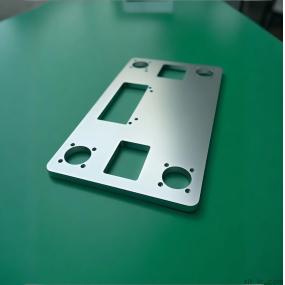
Industrial machines often use stamped metal parts because they provide strength while keeping production costs manageable. Customized brackets, panels, and protective covers are common examples.
How to Achieve Cost-Efficient Metal Stamping Manufacturing
Many companies want to reduce production costs without sacrificing quality. The following methods can help:
- Choose the right material: Selecting suitable materials prevents unnecessary spending while meeting performance requirements.
- Optimize product design: A simple and practical design can reduce tooling difficulty and material waste.
- Plan production volume: Higher quantities usually reduce the cost per part because tooling costs are spread across more products.
- Work with experienced manufacturers: Skilled suppliers can prevent mistakes and improve production efficiency.
For example, a company producing thousands of metal brackets each month may save significant costs by using automated stamping instead of individual machining or manual fabrication.
Why Quality Matters in High-Precision Metal Stamping Manufacturing
High-precision metal stamping manufacturing is important when parts must fit perfectly with other components. Small errors can cause assembly problems, product failures, or increased costs.
Reliable manufacturers use methods such as:
- Precision tooling design
- Regular machine maintenance
- Dimensional testing
- Production process monitoring
Quality is not only about checking the final product. It starts from material selection, continues through production, and ends with careful inspection before delivery.
Common Mistakes When Selecting a Metal Stamping Supplier
- Choosing only based on price: Extremely low prices may lead to poor materials, weak quality control, or production delays.
- Ignoring customization ability: Different products may require different tooling and manufacturing solutions.
- Not checking production capacity: A supplier should be able to handle your order quantity and delivery schedule.
- Overlooking after-sales support: Good service helps solve problems quickly after delivery.
Why Work with an Experienced Metal Stamping Manufacturing Partner?
A professional metal stamping partner provides more than production services. The best manufacturers help customers improve designs, select suitable materials, control costs, and maintain stable quality.
EMAR provides metal stamping manufacturing solutions for different industries, including customized stamping parts, precision components, and high-volume production support. With experience in design improvement, tooling, manufacturing, and inspection, EMAR helps customers create reliable metal parts that meet project requirements.
Final Thoughts
Metal stamping manufacturing is a practical solution for companies that need strong, accurate, and cost-effective metal components. The key to success is choosing a manufacturer with experience, advanced production capabilities, strict quality control, and good customer support.
Whether you need high-precision metal stamping manufacturing, cost-efficient metal stamping manufacturing, or customized solutions for automotive and electronics applications, working with a trusted supplier can improve product quality and reduce long-term production costs.