CNC Lathe Small Thread Machining: Process, Tools, Parameters, and Quality Control Guide
CNC lathe small thread machining is a precision manufacturing process used to create small and accurate threads on metal parts. It is widely used in industries such as medical devices, electronics, aerospace, automotive components, and precision instruments. Small threads may look simple, but producing them requires careful control of tools, machine settings, materials, and inspection methods.
For companies that need miniature threaded parts, choosing the right machining partner is important. A reliable supplier should have advanced CNC equipment, skilled operators, strict quality control, and experience with difficult thread designs. Companies like EMAR provide professional CNC Machining solutions with experience in precision small thread production and customized machining projects.
What Is CNC Lathe Small Thread Machining?
CNC lathe small thread machining is the process of cutting internal or external threads on small workpieces using a computer-controlled lathe machine. The CNC system controls the tool movement, cutting speed, feed rate, and thread depth to achieve accurate results.
Compared with standard thread machining, small thread machining has higher requirements because:
- The thread size is smaller, so tool accuracy is more important.
- Small errors can cause assembly problems.
- Thin parts may easily deform during machining.
- Fine threads require better control of cutting force and vibration.
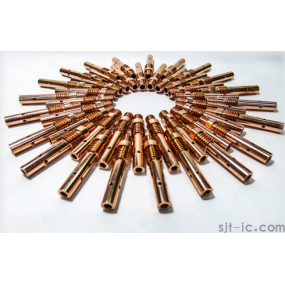
Applications include screws for medical equipment, miniature connectors, precision sensors, optical devices, and small mechanical assemblies.
How to Perform CNC Lathe Small Thread Machining
A successful machining process usually includes several important steps.
1. Analyze the Thread Design
Before machining, engineers should check the thread drawing carefully. Important information includes:
- Thread type, such as metric thread, UN thread, or special thread.
- Thread diameter and pitch.
- Thread depth and tolerance requirements.
- Material type and surface requirements.
For CNC lathe small thread machining with complex profiles, engineers must also consider special shapes, irregular thread forms, and difficult-to-reach areas. Proper planning helps prevent tool damage and production delays.
2. Select the Correct Thread Cutting Tool
Tool selection directly affects thread quality. Common tools include:
- Carbide threading inserts: Suitable for high-speed machining and long production runs.
- High-speed steel tools: Useful for softer materials and small-batch production.
- Micro threading tools: Designed for very small thread sizes and miniature components.
For high-precision CNC lathe small thread machining, the tool tip radius, coating, and rigidity must match the material and thread specifications.
3. Set Proper CNC Parameters
Correct parameter settings help achieve stable machining performance. The main parameters include:
- Cutting speed: Should match the material and tool type. Excessive speed may cause tool wear.
- Feed rate: Must match the thread pitch to maintain accurate thread shape.
- Cutting depth: Multiple light passes are often better than one deep cut for small threads.
- Spindle speed: Should provide enough control to avoid vibration and thread damage.
For example, when machining a tiny stainless steel screw, using a slower cutting speed with multiple finishing passes can improve thread accuracy and surface quality.
Tool Selection Tips for Small Thread Machining
Choosing the right tool is one of the biggest challenges in CNC lathe small thread machining for miniature parts. Small components require tools that can maintain accuracy while reducing cutting pressure.
Useful selection tips include:
- Use sharp cutting edges for small thread profiles.
- Select tools with high rigidity to reduce vibration.
- Use suitable coatings when machining hard materials.
- replace worn inserts before thread quality decreases.
For precision projects, experienced manufacturers usually test tool performance before full production. This reduces scrap rates and improves manufacturing efficiency.
Common Challenges in CNC Lathe Small Thread Machining
Thread Accuracy Problems
Small threads have very tight tolerances. Problems such as incorrect pitch, poor thread depth, or uneven thread surfaces may happen because of incorrect parameters, worn tools, or machine vibration.
Solutions include:
- Using high-quality measuring equipment.
- Checking tool condition regularly.
- Using trial machining before mass production.
Workpiece Deformation
Small parts often have thin walls or delicate structures. Excessive cutting force may deform the workpiece.
To reduce deformation:
- Use proper clamping methods.
- Reduce cutting force with smaller machining steps.
- Choose suitable cutting tools.
High Production Cost
Small thread machining can become expensive if processes are not optimized. Efficient programming, proper tooling, and experienced operators can reduce production time and material waste.
This is why many companies choose cost-effective CNC lathe small thread machining services from professional manufacturers. A skilled supplier can balance precision, speed, and cost.
Quality Control Methods for Small Thread Machining
Quality inspection is essential because even a small thread error can affect the final assembly.
Common inspection methods include:
- Thread gauges: Used to quickly check thread fit and accuracy.
- Micrometers and calipers: Used for dimensional inspection.
- Optical measurement equipment: Used for very small and complex threads.
- Coordinate measuring machines (CMM): Used for high-accuracy inspection.
A professional machining company should keep inspection records and provide quality reports when required. This helps customers confirm that parts meet design specifications.
How to Improve CNC Lathe Small Thread Machining Efficiency
Manufacturers can improve production efficiency through better planning and technology.
- Optimize CNC programming: Reduce unnecessary tool movement and machining time.
- Use suitable cutting tools: The right tool improves tool life and production speed.
- Prepare stable fixtures: Good clamping improves repeatability.
- Perform regular machine maintenance: A well-maintained CNC lathe provides better accuracy.
- Monitor quality during production: Early problem detection reduces waste.
For companies producing many miniature components, efficient CNC lathe small thread machining can significantly improve delivery time and reduce manufacturing costs.
Real-Life Example of Small Thread Machining
A precision equipment manufacturer needed hundreds of miniature stainless steel parts with fine external threads. The parts had strict requirements for thread accuracy and surface finish.
The machining solution included:
- Using a precision CNC lathe with stable spindle control.
- Selecting carbide micro-threading tools.
- Applying multiple finishing passes.
- Performing 100% thread inspection before delivery.
The result was improved thread consistency, reduced production waste, and reliable assembly performance.
Why Choose EMAR for CNC Lathe Small Thread Machining Services?
When selecting a machining supplier, experience and technical capability are key factors. EMAR focuses on precision CNC machining services and provides customized solutions for small and complex components.
EMAR's CNC machining capabilities support:
- High-precision small thread production.
- Custom-designed miniature parts.
- Complex thread profiles and tight tolerances.
- Quality inspection and production support.
With professional equipment and experienced engineers, EMAR helps customers solve challenges in CNC lathe small thread machining, from prototype development to mass production.
Practical Tips for Better Small Thread Machining Results
- Always confirm thread specifications before programming.
- Choose tools based on material hardness and thread size.
- Use proper lubrication to improve surface quality.
- Measure the first machined part carefully before continuing production.
- Work with experienced manufacturers for difficult miniature parts.
Conclusion
CNC lathe small thread machining requires accurate equipment, proper tooling, optimized parameters, and strict quality control. Whether producing medical parts, electronic components, or precision mechanical products, small thread accuracy directly affects product performance.
By understanding the machining process and working with an experienced supplier like EMAR, businesses can achieve reliable quality, faster production, and better cost control for their small threaded components.