Metal Stamping Parts Processing: A Complete Guide for Choosing the Right Solution
Metal stamping parts processing is a common manufacturing method used to produce metal parts with high speed, good accuracy, and stable quality. It is widely used in automotive parts, electronic components, home appliances, medical equipment, hardware products, and many other industries.
For companies that need large quantities of metal parts, stamping is often a cost-effective choice. However, choosing the right materials, processes, and manufacturing partner is important. This guide explains the main points of metal stamping parts processing, including materials, production steps, quality control, customization, and cost advantages.
What Is Metal Stamping Parts Processing?
Metal stamping parts processing is a manufacturing method that uses stamping machines and special molds to shape metal sheets into different parts. The process usually uses pressure to cut, bend, form, or stretch metal into the required shape.
Compared with traditional machining methods, stamping can produce many identical parts quickly. It helps reduce production time and material waste, making it suitable for both simple and complex metal components.
For example, a car manufacturer may use stamping to make brackets, covers, clips, and structural parts. An electronics company may use stamping to produce small metal frames, connectors, and shielding parts.
Types of Metals for Metal Stamping Parts Processing
Selecting the correct material is one of the most important steps in metal stamping. Different metals provide different levels of strength, flexibility, corrosion resistance, and cost performance.
1. Stainless Steel
Stainless steel is popular because it has excellent corrosion resistance and strength. It is suitable for products that need durability and a clean appearance, such as medical parts, kitchen hardware, and outdoor components.
2. Aluminum
Aluminum is lightweight, easy to form, and naturally resistant to corrosion. It is often used in electronics, automotive components, aerospace parts, and products where reducing weight is important.
3. Carbon Steel
Carbon steel offers good strength at a lower cost. It is commonly used for brackets, machine parts, construction hardware, and industrial components that require strong performance.
4. Copper and Brass
Copper and brass have excellent electrical conductivity and good forming ability. They are suitable for electrical connectors, terminals, and decorative metal products.
When selecting materials for types of metals for metal stamping parts processing, manufacturers should consider the part function, working environment, required strength, surface requirements, and production budget.
Common Stamping Processes in Metal Stamping Parts Processing
The stamping method depends on the shape, size, and function of the final product. A professional manufacturer usually evaluates the product design first and chooses the best process combination.
1. Cutting and Blanking
This process cuts metal sheets into specific shapes. It is often the first step in producing a stamped part.
2. Bending
Bending changes the angle or shape of a metal sheet without removing material. It is commonly used for brackets, frames, and support parts.
3. Deep Drawing
Deep drawing forms flat metal sheets into deeper shapes, such as cups, housings, and containers. It is useful for parts that require a hollow structure.
4. Punching and Piercing
Punching creates holes or special openings in metal parts. This process is widely used for connectors, panels, and mounting components.
5. Progressive Stamping
Progressive stamping combines several steps in one production line. The metal sheet moves through multiple stations, allowing high-volume production with consistent results.
Understanding stamping processes in metal stamping parts processing helps customers communicate better with manufacturers and select the most suitable production method.
Quality Control in Metal Stamping Parts Processing
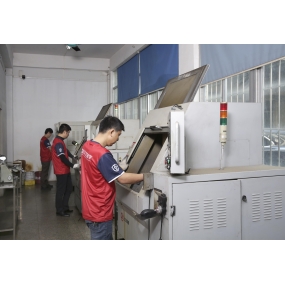
Good quality control ensures that stamped parts meet design requirements and perform reliably. A trusted manufacturer should have clear inspection procedures throughout the production process.
- Material inspection: Check metal type, thickness, hardness, and material certificates before production.
- Mold inspection: Confirm that stamping molds are accurate and properly maintained.
- Dimensional inspection: Use measuring tools such as calipers, micrometers, and coordinate measuring machines to check part sizes.
- Surface inspection: Check for scratches, cracks, deformation, and other appearance problems.
- Performance testing: Test strength, assembly accuracy, and durability when required.
Many professional manufacturers follow quality management systems such as ISO standards to improve production reliability. For customers, asking about inspection methods, quality records, and production experience is a practical way to evaluate suppliers.
Strong quality control in metal stamping parts processing reduces production risks and helps customers receive stable products.
Customization Options for Metal Stamping Parts Processing
Different industries have different requirements, so customization is an important part of metal stamping services. Customers can usually customize parts based on drawings, samples, or product ideas.
Design Customization
Manufacturers can adjust shapes, holes, bends, thickness, and surface finishes according to product needs. Early communication with engineers can help improve part design and reduce manufacturing difficulties.
Surface Treatment Options
Common surface treatments include polishing, plating, powder coating, painting, and anti-corrosion treatments. These options improve appearance and product life.
Production Quantity Options
Metal stamping can support different production volumes. Small batches are useful for product testing and prototypes, while large batches benefit from lower unit costs and faster production.
Choosing suitable customization options for metal stamping parts processing allows businesses to create parts that match their exact application requirements.
Why Choose Professional Metal Stamping Parts Processing Services?
A professional supplier provides more than just stamping production. The right partner can support product design, material selection, mold development, production, inspection, and delivery.
EMAR provides metal stamping parts processing services with experience in customized metal component manufacturing. The company focuses on helping customers develop reliable parts for different industries through professional engineering support, production control, and flexible manufacturing solutions.
Working with an experienced supplier can help customers avoid common problems such as incorrect material selection, poor part accuracy, delayed delivery, and unnecessary production costs.
How Metal Stamping Parts Processing Reduces Costs
One major advantage of stamping is its ability to reduce manufacturing costs during medium and large-volume production. Once the mold is prepared, machines can produce many identical parts quickly.
- High production speed reduces labor costs.
- Accurate molds reduce material waste.
- Stable production lowers the need for repeated adjustments.
- Large-volume manufacturing reduces the average cost per part.
However, cost savings depend on choosing the right process. A low-quality supplier may create extra costs through defective parts, delays, or poor communication.
For this reason, companies should look for cost-efficient metal stamping parts processing that balances price, quality, delivery time, and long-term reliability.
Practical Tips for Choosing a Metal Stamping Supplier
Before selecting a manufacturer, customers can consider the following questions:
- Does the supplier have experience producing similar metal parts?
- Can they work with the required materials and production quantities?
- Do they provide design support and process recommendations?
- What quality inspection methods do they use?
- Can they provide stable delivery and communication?
A reliable supplier should be able to explain the manufacturing process clearly and provide solutions based on the customer's actual needs.
Conclusion
Metal stamping parts processing is an efficient and flexible manufacturing solution for many industries. By choosing the right materials, suitable stamping methods, strict quality control, and customized production options, businesses can achieve reliable metal parts at competitive prices.
For companies looking for long-term manufacturing support, working with an experienced partner like EMAR can provide professional assistance from design evaluation to final production. A good stamping supplier not only produces parts but also helps customers improve product quality, reduce costs, and achieve successful projects.