Turning Machining Process: Steps, Parts, Tools, Quality Control, and Applications
The turning machining process is one of the most widely used manufacturing methods for producing accurate mechanical parts. Many people know that turning involves a lathe, but they may not understand how the process works, what types of parts can be made, which tools are required, or how manufacturers ensure quality.
This guide explains the turning process step by step in simple language. It covers the steps in turning machining, common types of parts in turning machining, important tools for turning machining, methods of quality control in turning machining, and the main applications of turning machining. Understanding these details helps engineers, buyers, and manufacturers choose the right machining solution for their projects.
What Is the Turning Machining Process?
The turning machining process is a machining operation where a workpiece rotates while a cutting tool removes material from its surface. The rotating movement of the workpiece and the controlled movement of the cutting tool create different shapes, mainly cylindrical or conical forms.
A typical turning operation uses a machine called a lathe. The workpiece is fixed in the lathe chuck or between centers, and the cutting tool moves along the surface to remove unwanted material. By controlling factors such as cutting speed, feed rate, and cutting depth, manufacturers can produce parts with accurate dimensions and smooth surfaces.
For example, when making a steel shaft for a motor, a manufacturer starts with a steel bar and uses turning to reduce its diameter, create specific sections, and achieve the required surface finish.
Steps in Turning Machining
The steps in turning machining include several important stages. Each stage affects the final accuracy, appearance, and performance of the finished part.
1. Workpiece Preparation
Before machining begins, the raw material must be prepared correctly. The material is usually cut to a suitable size, often slightly longer than the final part design to allow enough machining allowance.
For example, if a manufacturer needs to produce a long steel shaft, the first step is cutting a steel bar to the required starting length. The ends of the material may then be prepared and centered before it is mounted on the lathe.
Proper preparation is important because it helps the workpiece stay stable during machining. A correctly positioned workpiece reduces vibration, improves alignment, and helps achieve accurate final dimensions.
2. Tool Selection and Setup
Choosing the correct cutting tool is a key part of the turning machining process. Different materials and machining requirements need different tools.
Common turning tools are made from materials such as high-speed steel or carbide. For example, when machining aluminum parts at high speed, a carbide cutting tool is often selected because it provides good wear resistance and allows efficient cutting.
The cutting tool is installed on the lathe tool post and adjusted carefully. The tool height, cutting angle, and position must be correct so the tool contacts the workpiece properly.
The right tool setup helps improve:
- Machining efficiency
- Surface quality
- Dimensional accuracy
- Tool life
3. Machining Operation
After the workpiece and cutting tool are prepared, the actual turning operation begins. The lathe rotates the workpiece at a controlled speed while the cutting tool moves against the material.
For straight turning, the cutting tool moves parallel to the workpiece axis to create a smooth cylindrical surface. For taper turning, the tool moves at an angle to create a tapered shape.
For example, when producing a simple shaft, the cutting tool travels along the length of the steel bar and removes material until the required diameter is reached.
During machining, operators must carefully control:
- Spindle speed
- Feed rate
- Cutting depth
- Cooling and lubrication conditions
These factors directly influence machining accuracy and surface finish.
Types of Parts in Turning Machining
The types of parts in turning machining are mainly parts with round or symmetrical shapes. Turning is especially suitable for components that require precise rotation surfaces.
Cylindrical Parts
Cylindrical parts are the most common products made through turning. These parts include shafts, pins, bushings, and rollers.
A motor shaft is a typical example. It must have a precise diameter and smooth surface so it can fit correctly into bearings and transfer power efficiently.
Turning is ideal for cylindrical components because it can achieve:
- Accurate diameter control
- Excellent roundness
- Reliable surface quality
Conical Parts
Turning can also create conical shapes by adjusting the cutting tool angle. A tapered pin is one example of a conical part produced by turning.
Tapered parts are often used in mechanical assemblies because their shape helps with alignment and positioning. Turning provides an efficient way to produce these parts with consistent accuracy.
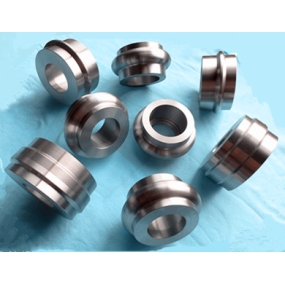
Threaded and Grooved Parts
Turning machines can also produce threads, grooves, and special profiles. Examples include screws, threaded shafts, and connection components used in industrial equipment.
With the correct tooling and machine settings, manufacturers can create complex features while maintaining tight tolerances.
Tools for Turning Machining
The tools for turning machining directly affect cutting performance and final part quality. Different tools are selected depending on the material, shape, and machining purpose.
Single-Point Cutting Tools
Single-point cutting tools are the most common tools used in turning. They have one main cutting edge that removes material from the rotating workpiece.
Carbide-tipped turning tools are widely used for both rough machining and finishing operations. By changing the tool tip shape, manufacturers can perform different operations such as:
- Straight turning
- Facing
- Groove cutting
- Threading
Form-Cutting Tools
Form-cutting tools are designed to create specific shapes. A threading tool is a common example.
The cutting edge matches the required thread profile. When the tool moves across the rotating workpiece, it creates accurate threads for screws, bolts, and mechanical connections.
These specialized tools are important when parts require unique shapes or precise features.
Quality Control in Turning Machining
The quality control in turning machining process ensures that finished parts meet design requirements. High-quality turning requires careful inspection during and after production.
Dimension Inspection
Dimensional accuracy is one of the most important quality factors in turning. Manufacturers use measuring equipment such as micrometers, calipers, and precision gauges to check part sizes.
For example, after producing a shaft, technicians measure its diameter at several points to confirm that it stays within the required tolerance range.
Accurate dimension inspection helps prevent assembly problems and ensures the part works correctly in the final product.
Surface Finish Inspection
Surface finish is another important quality factor. A rough surface can increase friction, cause wear, and reduce the working life of a component.
Manufacturers may use visual checks or surface roughness measuring equipment to evaluate the finish of turned parts.
For example, shafts used inside bearings require a smooth surface to reduce friction and allow reliable movement.
Process Monitoring
Professional machining companies also monitor the machining process itself. Checking tool condition, machine settings, and production conditions helps reduce defects and maintain consistent quality.
Applications of Turning Machining
The applications of turning machining cover many industries because turning can produce reliable and precise components efficiently.
Automotive Industry
The automotive industry uses turning machining for many critical parts, including shafts, pins, bushings, and engine components.
For example, engine-related rotating components require accurate dimensions and balanced surfaces. Turning helps manufacturers create parts that support smooth operation, reliable power transfer, and long service life.
Aerospace Industry
Aerospace manufacturing requires extremely high precision because aircraft components operate under heavy loads and demanding conditions.
Turbine shafts and other rotating components are often produced through precision turning. The process helps achieve tight tolerances needed for safety and performance.
Medical and Industrial Equipment
Turning is also widely used for medical devices, automation equipment, and industrial machinery parts. These industries often require small tolerances, excellent surface finishes, and consistent production quality.
EMAR's Expertise in the Turning Machining Process
Choosing an experienced machining partner is important when producing precision turned parts. EMAR has professional experience in the turning machining process, supported by skilled operators and advanced machining equipment.
Skilled Workforce and Advanced Equipment
EMAR's machining team understands different turning requirements, materials, and production challenges. With advanced turning machines and professional operating skills, EMAR can produce high-quality turned parts for industries that require precision.
For example, when manufacturing precision shafts for demanding applications, EMAR focuses on accurate machining settings, proper tool selection, and careful process control to meet customer specifications.
Strict Quality Assurance System
EMAR applies strict quality control throughout the production process. Dimensions, surface finish, and machining results are carefully inspected to ensure every part meets required standards.
This quality-focused approach helps customers receive reliable turned parts with consistent performance and reduces the risk of production issues.
Conclusion
The turning machining process is a fundamental manufacturing method for producing accurate round and symmetrical parts. By understanding the steps in turning machining, selecting suitable tools for turning machining, and applying effective quality control in turning machining, manufacturers can achieve excellent results.
From automotive shafts to aerospace components, turning machining continues to play an important role in modern manufacturing. With professional expertise, advanced equipment, and strict quality management, companies like EMAR help customers produce high-quality turned parts that meet demanding engineering requirements.