Nonferrous Metal Forging and Stamping: Processes, Benefits, and Applications
Nonferrous metal forging and stamping are important manufacturing methods used to create strong, lightweight, and corrosion-resistant metal parts for many industries. Unlike ferrous metals, nonferrous metals do not contain a large amount of iron, which gives them special properties such as better corrosion resistance, electrical conductivity, and lower weight.
Many manufacturers choose these processes because they need metal components that can handle demanding working conditions while keeping production costs under control. However, choosing the right material, process, and supplier can be challenging. Understanding how nonferrous metal forging and stamping work can help businesses make better manufacturing decisions.
What Is Nonferrous Metal Forging and Stamping?
Nonferrous metal forging and stamping refer to manufacturing processes that shape nonferrous metal materials into specific parts and components.
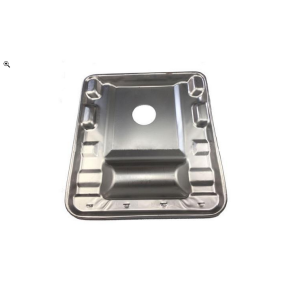
Forging uses pressure and force to reshape heated or cold metal. The process improves the internal structure of the material, creating parts with high strength and durability. Stamping uses dies and presses to cut, bend, or form metal sheets into accurate shapes. It is widely used for high-volume production because it offers fast processing and consistent results.
Both methods are commonly used when manufacturers need lightweight parts with precise dimensions and reliable performance.
Types of Nonferrous Metals for Forging and Stamping
The choice of material directly affects the performance, cost, and service life of the final product. The common types of nonferrous metals for forging and stamping include:
- Aluminum: Lightweight, corrosion-resistant, and easy to process. It is often used in aerospace, automotive, and electronics industries.
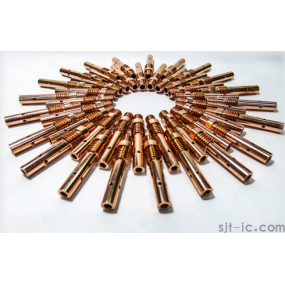
- Copper: Known for excellent electrical and thermal conductivity, making it suitable for electrical components and heat transfer parts.
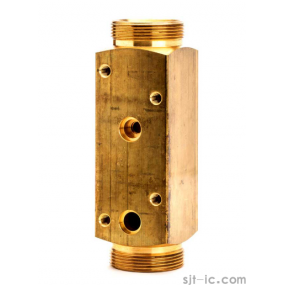
- Brass: Provides good machinability, corrosion resistance, and an attractive surface finish for industrial and decorative applications.
- Titanium: Offers high strength with low weight and excellent resistance to extreme environments.
- Magnesium: Extremely lightweight and useful for applications where weight reduction is important.
Selecting the right material requires considering factors such as strength requirements, operating environment, production quantity, and budget.
Processes in Nonferrous Metal Forging and Stamping
The processes in nonferrous metal forging and stamping vary depending on the material type, part design, and production requirements. Common processes include:
Forging Processes
- Open-die forging: The metal is compressed between simple dies, allowing large and strong components to be produced.
- Closed-die forging: The metal is formed inside shaped dies to achieve higher accuracy and complex designs.
- Cold forging: Metal is formed at room temperature, improving surface finish and dimensional accuracy.
Stamping Processes
- Blanking: Cutting flat metal shapes from sheets.
- Bending: Creating angles and curves without removing material.
- Deep drawing: Forming metal sheets into hollow shapes such as housings and containers.
- Progressive stamping: Using multiple operations in one production line for efficient mass production.
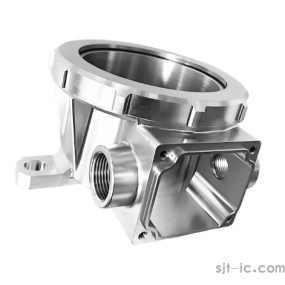
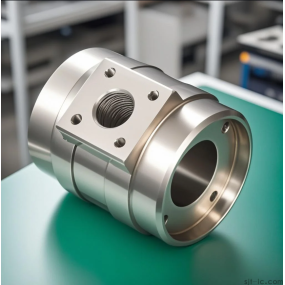
For complex components, many manufacturers combine stamping or forging with CNC Machining to achieve tighter tolerances and better surface quality. Companies such as EMAR provide CNC processing services that support precision manufacturing needs, helping customers produce accurate metal parts for different industries.
Advantages of Nonferrous Metal Forging and Stamping
The advantages of nonferrous metal forging and stamping make these methods popular in modern manufacturing.
- Lightweight design: Materials such as aluminum and magnesium help reduce product weight while maintaining performance.
- High corrosion resistance: Nonferrous metals can perform well in moisture, chemicals, and harsh environments.
- Excellent conductivity: Copper and related alloys are ideal for electrical and electronic applications.
- Strong mechanical properties: Forging improves metal strength by refining the internal grain structure.
- High production efficiency: Stamping is suitable for large quantities with stable quality and lower unit costs.
These advantages make nonferrous metal forging and stamping suitable for industries that require reliable performance and long service life.
Common Challenges in Nonferrous Metal Forging and Stamping
Although these processes provide many benefits, manufacturers may face several challenges:
- Material selection problems: Using the wrong alloy can cause weak performance, excessive wear, or unnecessary costs.
- Deformation risks: Some nonferrous metals are softer than steel and require careful process control.
- Surface quality issues: Improper tooling or processing conditions may lead to scratches, cracks, or poor finishes.
- Precision requirements: Complex parts often require additional machining processes to meet strict tolerances.
Working with an experienced manufacturing partner can reduce these risks. A professional supplier can provide support from material selection and process design to final inspection.
Quality Control in Nonferrous Metal Forging and Stamping
Quality control in nonferrous metal forging and stamping is essential to ensure parts meet performance and safety requirements.
A reliable quality control system usually includes:
- Checking raw material composition and certifications.
- Monitoring temperature, pressure, and forming conditions during production.
- Inspecting dimensions using precision measuring equipment.
- Testing surface quality and mechanical properties.
- Performing final inspections before shipment.
Advanced manufacturing suppliers often combine forging, stamping, and CNC machining inspection methods to achieve consistent quality. Precision CNC processing capabilities can help improve accuracy for parts that require strict dimensional control.
Applications of Nonferrous Metal Forging and Stamping
The applications of nonferrous metal forging and stamping cover many industries because of their excellent strength-to-weight ratio and corrosion resistance.
- Automotive industry: Used for lightweight brackets, electrical parts, engine components, and structural parts.
- Aerospace industry: Used for aircraft fittings and high-performance components that require low weight and high strength.
- Electronics industry: Used for connectors, housings, heat sinks, and conductive components.
- Medical equipment: Used for precision parts requiring reliability and corrosion resistance.
- Industrial equipment: Used for machine parts, tools, and custom components.
How to Choose a Reliable Nonferrous Metal Processing Partner
Choosing the right supplier is important for achieving stable quality and efficient production. Manufacturers should consider:
- Experience with different nonferrous materials.
- Advanced forging, stamping, and CNC machining capabilities.
- Strong quality management systems.
- Ability to handle custom designs and small or large production volumes.
- Clear communication and technical support.
EMAR supports customized metal manufacturing projects with professional CNC processing capabilities. By combining machining expertise with strict quality control, EMAR helps customers develop accurate and reliable components for different industrial applications.
Conclusion
Nonferrous metal forging and stamping provide an effective solution for producing lightweight, durable, and high-performance metal parts. Understanding material options, production processes, quality requirements, and application needs helps manufacturers avoid common problems and achieve better results.
Whether the goal is improving product performance, reducing weight, or increasing production efficiency, selecting the right process and manufacturing partner is a key step toward successful metal component production.