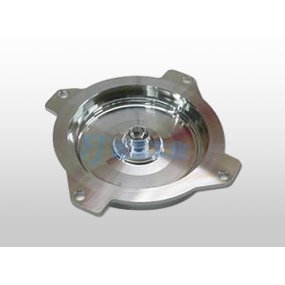
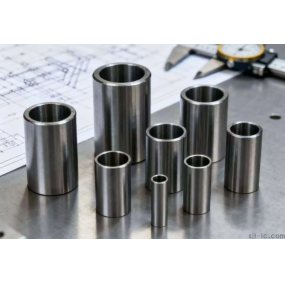
Precision machining teaches you how to maintain a grinder
In precision machining, grinders are important machines used to achieve high-precision surface finishes, accurate dimensions, and complex shapes on workpieces. A grinder can produce very small tolerances, sometimes within the micron range, which makes it essential for industries such as aerospace, automotive, medical equipment, and precision components.
However, even the best grinder cannot maintain stable performance without proper care. Regular maintenance helps prevent machining errors, reduces unexpected downtime, and extends machine life. This article, “Precision machining teaches you how to maintain a grinder,” explains the importance of grinder maintenance, daily tasks, periodic procedures, component-specific care, and safety practices with practical examples.
Why Grinder Maintenance Is Important in Precision Machining
Many machining operators focus on machine operation but overlook maintenance. This can lead to problems such as poor surface quality, incorrect dimensions, faster component wear, and expensive repairs. Understanding the importance of grinder maintenance in precision machining helps companies maintain production quality and reduce operating costs.
Maintaining Machining Accuracy
A well-maintained grinder is necessary for producing precise parts. During grinding, even a small machine problem can affect the final product. For example, if the grinding wheel is not properly balanced, it can create vibration during operation. These vibrations may cause uneven surface finishes or inaccurate dimensions.
In precision machining, where parts often require extremely tight tolerances, a small error can make a component unusable. Regular inspection and adjustment of the grinder ensure stable performance and consistent machining results.
Practical example: When grinding a precision shaft, an unbalanced grinding wheel may create an uneven diameter. The finished shaft may fail to fit correctly during assembly, causing production delays.
Extending Grinder Service Life
Grinders contain many important parts, including the spindle, bearings, motor, and linear guides. These components experience friction, heat, and vibration during operation. Without proper maintenance, they can wear out quickly.
Routine actions such as lubrication, cleaning, and inspection reduce unnecessary wear. For example, proper lubrication of bearings lowers friction and prevents overheating. This allows the grinder to run smoothly for a longer period.
A longer machine lifespan means fewer replacements and lower maintenance costs for precision machining facilities.
Daily Grinder Maintenance Tasks Operators Should Perform
Daily maintenance is the foundation of reliable grinder performance. Simple checks performed after each shift can prevent many serious problems. The following daily grinder maintenance tasks are recommended for most precision machining environments.
1. Clean the Grinder After Use
Cleaning is one of the easiest but most important maintenance steps. After grinding operations, operators should remove metal chips, grinding dust, and coolant residue from the machine.
Use suitable cleaning tools such as brushes or compressed air to clean areas around the grinding wheel, worktable, and machine surface. Avoid allowing debris to remain inside moving parts.
Example: Metal chips stuck on the grinding wheel can affect wheel balance and reduce cutting performance. Coolant residue left on machine surfaces may also cause rust and corrosion.
Regular cleaning keeps the grinder working efficiently and prevents damage to important components.
2. Perform a Visual Inspection
Before starting work, operators should check the grinder carefully. Look for unusual conditions such as:
- Cracks or damage on the grinding wheel
- Loose bolts or machine parts
- Coolant leaks
- Abnormal noise or vibration
- Signs of overheating
A damaged grinding wheel is especially dangerous because it may break during high-speed operation. Loose bolts can also create vibration and reduce machining accuracy.
Finding problems early allows technicians to repair them before they become major failures.
Periodic Grinder Maintenance Procedures for Better Performance
Besides daily checks, grinders require planned maintenance at regular intervals. These periodic grinder maintenance procedures help maintain accuracy and prevent long-term damage.
Grinding Wheel Balancing
The grinding wheel must remain properly balanced to achieve smooth operation. Over time, uneven wheel wear can create imbalance.
An unbalanced grinding wheel produces vibration, which can damage the spindle and bearings. It can also reduce the quality of the machined surface.
Maintenance workers should use a wheel-balancing device to check and correct wheel balance when needed.
Example: In a precision machining workshop producing high-accuracy shafts, a poorly balanced wheel may create shafts that are not perfectly round.
A balanced grinding wheel improves machining accuracy, protects machine components, and increases wheel life.
Lubrication of Moving Components
Lubrication is another important maintenance procedure. Components such as spindles, bearings, and linear guides require proper lubrication to reduce friction.
Operators should use the lubricant recommended by the grinder manufacturer and follow the correct maintenance schedule.
Without enough lubrication, the spindle may overheat, causing bearing damage and poor grinding performance.
Proper lubrication helps the grinder operate smoothly and reduces unnecessary repair costs.
Component-Specific Grinder Maintenance Methods
Different grinder components have different maintenance requirements. Understanding component-specific grinder maintenance helps technicians solve problems more effectively.
Spindle Maintenance
The spindle is one of the most important parts of a precision grinder because it controls the rotation accuracy of the grinding wheel.
Technicians should regularly check spindle run-out using measuring tools such as a dial indicator. If the run-out exceeds the required tolerance, it may indicate problems with spindle bearings or alignment.
Example: A grinder used for producing optical components requires extremely accurate spindle movement. Even a small spindle error can affect the quality of the final lens surface.
Keeping the spindle in good condition is essential for achieving high-precision grinding results.
Coolant System Maintenance
The coolant system controls heat during grinding and helps protect both the workpiece and grinding wheel.
Important coolant maintenance steps include:
- Checking coolant levels regularly
- Cleaning coolant tanks
- Replacing or cleaning filters
- Removing contaminants from coolant lines
Dirty coolant can block flow and reduce cooling performance. This may cause overheating, poor surface finishes, and shorter grinding wheel life.
Safety in Grinder Maintenance
Maintenance improves machine performance, but safety must always come first. Following proper safety in grinder maintenance practices protects workers from accidents.
Use Proper Personal Protective Equipment
Maintenance workers should wear suitable protective equipment, including:
- Safety glasses to protect eyes from chips and dust
- Protective gloves when handling parts safely
- Ear protection in noisy environments
For example, when using compressed air to clean the grinder, flying metal particles can injure the eyes. Safety glasses provide important protection.
Follow Lock-Out/Tag-Out Procedures
Before repairing electrical or mechanical parts, workers must ensure the grinder cannot start accidentally.
Lock-out/tag-out procedures include turning off the power, locking the control switch, and placing a warning tag on the machine.
This prevents situations where another person accidentally starts the grinder while maintenance work is in progress.
How EMAR Supports Grinder Maintenance in Precision Machining
Professional maintenance support can make a major difference in precision machining operations. Companies such as EMAR provide technical expertise to help customers maintain grinder performance and reduce production risks.
Experienced Maintenance Technicians
EMAR has skilled technicians with knowledge of different grinder types and machine structures. Their experience allows them to identify problems quickly and perform accurate maintenance work.
For precision machining companies, professional technicians can help keep grinders stable, improve production efficiency, and maintain consistent part quality.
Quality-Focused Maintenance Services
Reliable grinder maintenance requires more than simple repairs. EMAR focuses on detailed inspection, correct maintenance procedures, and suitable replacement components to restore equipment performance.
With a quality-focused approach, precision machining facilities can reduce unexpected machine failures, improve productivity, and protect their long-term equipment investment.
Conclusion: Proper Grinder Maintenance Creates Better Precision Machining Results
Grinder maintenance is a necessary part of precision machining. Regular cleaning, inspection, balancing, lubrication, and component checks help machines maintain accuracy and reliability.
By understanding the principles explained in “Precision machining teaches you how to maintain a grinder,” operators can reduce machining problems, improve product quality, and extend equipment life.
Whether through internal maintenance teams or professional support from experienced companies like EMAR, proper grinder care is an important investment for achieving stable and high-quality precision machining results.