Precision Parts Processing Process: A Complete Guide from Design to Final Quality Control
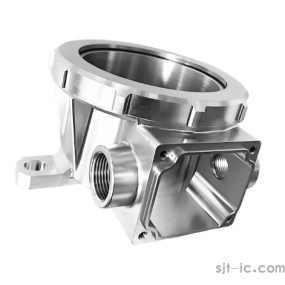
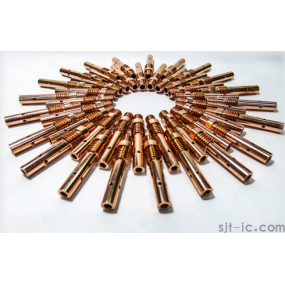
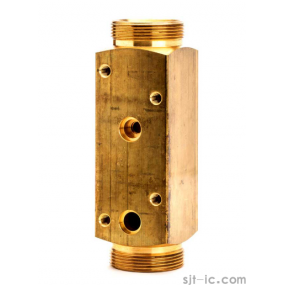
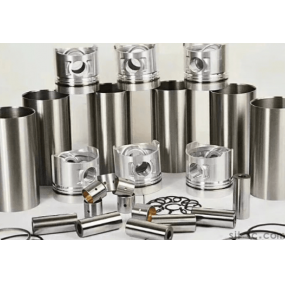
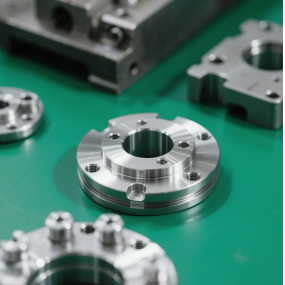
Precision parts are essential components used in industries such as aerospace, medical equipment, automotive, semiconductor manufacturing, electronics, and industrial automation. These parts often need extremely accurate dimensions, smooth surfaces, and reliable performance. The precision parts processing process is the key factor that transforms a design idea into a high-quality finished component that can work correctly in demanding applications.
Many customers are confused about how precision parts are made, why each processing step matters, and how manufacturers ensure quality. In reality, every stage, from design and material selection to machining, inspection, and finishing, directly affects the final performance of the part. A small mistake in one step may cause assembly problems, reduced product life, or even complete equipment failure.
This article explains the major steps of the precision parts processing process in simple terms and shows how each stage contributes to producing reliable precision components.
1. Introduction to Precision Parts Processing Process
Precision parts are manufactured components that require very tight accuracy standards. Unlike ordinary parts, they often need extremely small dimensional errors, sometimes within a few microns. These strict requirements allow them to fit perfectly with other components and perform their designed functions.
For example, a precision component inside a semiconductor manufacturing machine must maintain accurate movement and positioning. If the part size is slightly incorrect, the machine may produce defective chips. Similarly, a medical device component must have precise dimensions to ensure patient safety and proper operation.
The precision parts processing process controls every manufacturing step to achieve the required accuracy. It combines engineering design, advanced machining technology, careful material selection, and strict quality inspection. A complete process helps manufacturers produce parts that are stable, durable, and suitable for high-performance applications.
2. Design Stage in Precision Parts Processing
The design stage in precision parts processing is the foundation of the entire manufacturing process. A good design helps avoid production difficulties, reduces unnecessary costs, and ensures the final part meets application requirements.
Initial Design Concept
The first step is understanding the purpose and working environment of the part. Engineers need to know how the component will be used, what forces it will experience, how much space is available, and what conditions it must withstand.
For example, when designing a precision component for a semiconductor manufacturing machine, engineers must consider:
- The exact function of the component inside the machine.
- The required movement accuracy and positioning requirements.
- The available installation space.
- Environmental factors such as temperature, vibration, and cleanliness requirements.
Based on this information, engineers create an initial design concept that defines the basic shape, structure, and main features of the part.
Detailed Design and Tolerance Setting
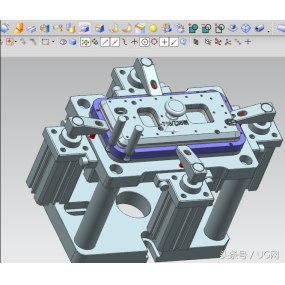
After the initial concept is approved, engineers create detailed drawings and 3D models. Every important feature, including dimensions, angles, hole locations, and surface requirements, must be clearly defined.
Tolerance setting is one of the most important parts of precision design. Tolerance means the acceptable range of variation in a dimension. For example, a medical implant screw may require a diameter tolerance of ±0.05mm to ensure it fits safely and works correctly inside the human body.
Accurate design and proper tolerance control help manufacturers understand exactly what needs to be produced. They also prevent problems during assembly and improve the reliability of the final product.
3. Material Selection for Precision Parts
The material selection for precision parts directly affects strength, durability, machining performance, and service life. Choosing the wrong material may cause deformation, wear, corrosion, or poor performance during use.
Considering Material Properties
Different applications require different material characteristics. Engineers select materials based on factors such as strength, hardness, heat resistance, corrosion resistance, and electrical properties.
For example:
- Aircraft engine turbine blades require materials such as nickel-based superalloys because they can withstand extreme temperatures and maintain strength.
- Electrical insulation components may use special plastics or ceramics because these materials do not conduct electricity easily.
- Precision gears often use high-quality steel because they need high strength and wear resistance.
The correct material choice ensures that precision parts can handle their working conditions and maintain stable performance over time.
Material Quality and Consistency
Material quality is also important during the precision parts processing process. High-quality materials must have consistent properties throughout the entire batch.
For example, when producing precision gears, the steel hardness must remain uniform. If some areas are harder or softer than others, machining results may become inconsistent, affecting gear accuracy and service life.
Reliable material quality provides a stable foundation for accurate machining and helps manufacturers achieve consistent production results.
4. Machining Operations in Precision Parts
The machining operations in precision parts stage converts raw materials into accurate components. Modern machining equipment allows manufacturers to create complex shapes while maintaining very tight tolerances.
CNC Machining
CNC (Computer Numerical Control) machining is one of the most common methods used in precision manufacturing. CNC machines use computer programs to control cutting tools, allowing highly accurate and repeatable production.
Common CNC operations include:
- CNC turning: A rotating workpiece is shaped by a cutting tool. This method is often used for shafts, pins, and cylindrical components. For example, a high-speed spindle shaft requires precise diameter control and a smooth surface finish.
- CNC milling: A cutting tool removes material to create flat surfaces, slots, holes, and complex 3D shapes. Precision molds often require CNC milling to produce detailed structures.
CNC machining provides high accuracy, repeatability, and flexibility, making it suitable for producing small batches and complex precision components.
Grinding and EDM Machining
Grinding is commonly used when extremely smooth surfaces and tight tolerances are required. It removes very small amounts of material to improve accuracy.
For example, in optical component manufacturing, grinding helps shape glass parts to meet strict surface requirements.
EDM (Electrical Discharge Machining) is another important technology for precision manufacturing. It uses electrical sparks to remove material and is especially useful for hard metals or complex shapes.
For example, when producing a precision stamping die, EDM can create detailed structures that are difficult to achieve using traditional cutting methods.
Both grinding and EDM improve final accuracy and allow manufacturers to produce parts with complicated designs and demanding specifications.
5. Quality Control in Precision Parts
The quality control in precision parts stage ensures that manufactured components meet design requirements before delivery. Quality inspection is not only performed at the end but throughout the entire production process.
In-Process Inspection
In-process inspection checks the part during machining. Operators use measurement tools to monitor important factors such as dimensions, hole sizes, and surface roughness.
For example, after drilling a precision hole, a technician may measure its diameter using a precision measuring tool. If the size is outside the required tolerance, adjustments can be made immediately.
This approach helps detect problems early, reduces material waste, and prevents large numbers of defective parts from being produced.
Final Inspection
After machining and finishing are complete, manufacturers perform a detailed final inspection.
Common inspection methods include:
- Coordinate Measuring Machine (CMM): Measures complex dimensions with high accuracy.
- Surface measurement: Checks whether surface roughness meets requirements.
- Non-destructive testing (NDT): Detects internal defects without damaging the part.
For aerospace precision components, for example, CMM inspection and NDT methods help ensure parts meet strict safety standards before being installed in aircraft systems.
6. Finishing Operations for Precision Parts
The finishing operations for precision parts improve the performance, appearance, and durability of finished components. These operations are usually performed after machining.
Heat Treatment
Heat treatment changes the internal structure of metal materials to improve their mechanical properties.
For example, steel gears may undergo quenching and tempering to increase hardness, toughness, and wear resistance. This allows the gears to operate under heavy loads for a longer time.
Proper heat treatment improves the strength and reliability of precision parts.
Surface Treatment
Surface treatments protect parts and improve their functional performance. Common methods include plating, anodizing, and protective coatings.
Examples include:
- Chromium plating on automotive precision parts to improve corrosion resistance and surface appearance.
- Anodizing aluminum parts to increase hardness and improve wear resistance.
Surface treatment helps precision parts maintain their performance even in challenging environments.
7. EMAR's Expertise in Precision Parts Processing
Choosing an experienced manufacturer is important for companies that need reliable precision components. EMAR has professional experience in precision manufacturing and understands the importance of controlling every stage of the precision parts processing process.
Advanced Processing Techniques
EMAR uses advanced manufacturing technologies, including CNC machining, grinding, and EDM processing, to produce high-precision components for different industries.
With modern equipment and skilled technicians, EMAR can handle complex part designs and strict tolerance requirements. For industries such as electronics and automation, advanced machining capabilities help achieve stable quality and accurate results.
Strict Quality Assurance System
EMAR focuses on quality control throughout the entire manufacturing process, from material inspection and machining monitoring to final testing.
A complete quality management approach helps ensure that every precision part meets customer specifications. For applications such as medical equipment and industrial machinery, reliable quality control provides confidence that components will perform safely and effectively.
Through advanced technology, careful process management, and strict inspection standards, EMAR supports customers in producing high-quality precision parts that meet demanding requirements.
Conclusion
The precision parts processing process is a complete system that combines design, material selection, machining, inspection, and finishing. Each step plays an important role in determining the accuracy, durability, and reliability of the final product.
Understanding each stage helps customers choose better manufacturing solutions and avoid common problems such as poor quality, incorrect dimensions, and short service life. With professional expertise and strong quality control capabilities, manufacturers like EMAR can provide dependable precision parts for industries that require high accuracy and consistent performance.