
Precision Sheet Metal CNC Customized Processing: A Practical Guide for Better Parts and Reliable Results
When companies need sheet metal parts with accurate dimensions, complex shapes, and stable performance, standard manufacturing methods may not be enough. precision sheet metal CNC customized processing provides a flexible solution for producing customized metal components used in industries such as electronics, machinery, automation, medical equipment, and industrial products.
However, many customers face challenges during the customization process. Common problems include unclear drawings, unstable quality, long production times, unexpected costs, and difficulty finding a reliable CNC processing partner. Understanding the process, quality factors, and supplier selection methods can help reduce these risks.
What Is Precision Sheet Metal CNC Customized Processing?
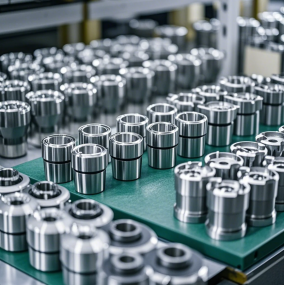
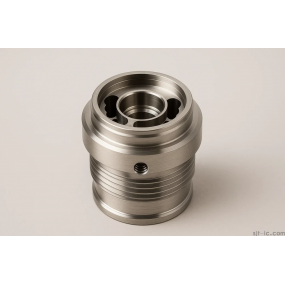
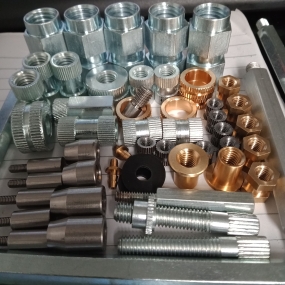
Precision sheet metal CNC customized processing is a manufacturing method that uses CNC machines to cut, bend, punch, and form sheet metal according to customer designs. Compared with traditional manual processing, CNC technology offers higher accuracy, better repeatability, and easier production control.
This service is suitable for customized parts that require tight tolerances and consistent quality. Customers can provide drawings, 3D models, or technical requirements, and experienced manufacturers can turn these designs into finished metal components.
Common Problems in Sheet Metal Customization and How CNC Processing Helps
- Problem: Inaccurate dimensions. Small errors in metal parts can affect assembly and product performance. CNC equipment helps maintain stable machining accuracy and reduces human operation errors.
- Problem: Difficult designs. Some sheet metal parts have complex structures, special holes, or precise bending requirements. CNC processing can handle customized designs more efficiently.
- Problem: Unstable quality between batches. Automated CNC processes improve repeatability, making every batch closer to the original design requirements.
- Problem: High production costs. Proper process planning can reduce material waste, improve production efficiency, and control overall manufacturing expenses.
Benefits of Precision Sheet Metal CNC Customized Processing
The benefits of precision sheet metal CNC customized processing go beyond simple part production. It helps companies achieve better product quality while saving time during development and manufacturing.
- High precision: CNC machines can achieve accurate cutting and forming results, which is important for parts with strict size requirements.
- Flexible customization: Manufacturers can produce different shapes, sizes, and structures based on specific customer needs.
- Better production efficiency: CNC automation reduces manual operations and improves processing speed for repeated orders.
- Consistent quality: Digital programs allow manufacturers to maintain stable results across multiple production runs.
- Suitable for prototypes and mass production: CNC sheet metal processing can support both small trial orders and larger manufacturing projects.
Factors Affecting Precision in Sheet Metal CNC Customized Processing
Many customers focus only on machine accuracy, but several other elements also influence the final result. Understanding the factors affecting precision in sheet metal CNC customized processing helps prevent quality issues before production begins.
- Material selection: Different metals such as stainless steel, aluminum, and carbon steel have different properties that affect cutting and bending performance.
- Design quality: Clear drawings, accurate dimensions, and proper tolerances make production smoother and reduce mistakes.
- Machine condition: Regular maintenance and calibration of CNC equipment are necessary to maintain processing accuracy.
- Operator experience: Skilled technicians can identify possible problems and optimize production processes.
- Surface treatment: Processes such as coating, polishing, or anodizing must be controlled carefully to maintain final part quality.
Steps in Precision Sheet Metal CNC Customized Processing
Knowing the steps in precision sheet metal CNC customized processing helps customers understand how their parts move from design to finished products.
- Design review: Engineers check drawings, materials, tolerances, and production requirements.
- Material preparation: Suitable sheet metal materials are selected and prepared according to project specifications.
- CNC programming: Technicians create machine programs based on the product design.
- Cutting and forming: CNC machines perform operations such as laser cutting, punching, drilling, and bending.
- Finishing: Additional treatments may be completed to improve appearance, corrosion resistance, or performance.
- Inspection and delivery: Finished parts are checked before shipment to ensure they meet customer requirements.
Cost Considerations for Precision Sheet Metal CNC Customized Processing
The cost-considerations for precision sheet metal CNC customized processing usually depend on several factors. A lower initial price does not always mean a better solution because poor quality can create additional costs later.
- Material cost: Different metals and thicknesses influence the total project budget.
- Part complexity: More complex structures usually require more machining time and programming work.
- Production quantity: Larger quantities may reduce the average cost per part.
- Surface treatment requirements: Extra finishing processes can affect the final price.
- Quality requirements: Tight tolerances and strict inspection standards may increase processing costs but provide more reliable parts.
A professional CNC supplier can help customers optimize designs, select suitable materials, and choose efficient production methods to balance quality and cost.
Quality Control in Precision Sheet Metal CNC Customized Processing
Reliable quality control is essential for customized sheet metal parts. quality control in precision sheet metal CNC customized processing ensures that products meet technical requirements before reaching customers.
- Incoming material inspection to confirm material type and quality.
- Process monitoring during CNC Machining to prevent production errors.
- Dimensional inspection using professional measuring tools.
- Appearance checks to identify scratches, deformation, or surface defects.
- Final inspection before shipment to confirm product consistency.
How to Choose a Reliable Precision Sheet Metal CNC Processing Partner
Choosing the right manufacturer is one of the most important decisions in a customized processing project. A reliable supplier should have advanced equipment, experienced engineers, clear communication, and strong quality management.
EMAR provides professional CNC processing services with experience in customized metal part manufacturing. The company focuses on precision production, process improvement, and quality control to help customers achieve reliable sheet metal solutions for different applications.
Before starting a project, customers should check a supplier’s manufacturing capability, inspection process, engineering support, and ability to handle customized requirements. A strong partner can reduce production risks and improve long-term product performance.
Conclusion
Precision sheet metal CNC customized processing is an effective way to produce accurate, reliable, and customized metal components. By understanding the benefits, cost factors, processing steps, and quality requirements, companies can make better manufacturing decisions.
Working with an experienced CNC processing provider helps ensure that designs are transformed into high-quality products with stable performance, controlled costs, and dependable delivery.