
CNC Machining Guide Wheel: A Complete Guide to Precision, Materials, and Maintenance
A guide wheel is a small but important component used in many machines and industrial systems. It helps control movement, reduce friction, and keep parts running smoothly. When the guide wheel needs high accuracy and long service life, CNC machining guide wheel manufacturing becomes a reliable solution.
Many customers face problems such as unstable machine operation, fast wear, poor fitting accuracy, and high replacement costs. Choosing the right machining process, material, and supplier can make a big difference. This guide explains the key points you need to know before ordering CNC-machined guide wheels.
What Is a CNC Machining Guide Wheel?
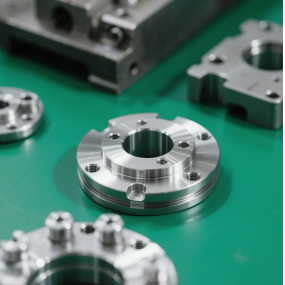
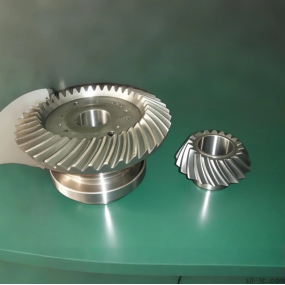
A CNC machining guide wheel is a wheel component produced by computer numerical control (CNC) machines. The process uses programmed cutting tools to remove material from a workpiece and create a highly accurate shape.
Compared with traditional manual processing methods, CNC machining can achieve tighter tolerances, better surface finishes, and consistent production quality. This makes CNC guide wheels suitable for automation equipment, conveyor systems, precision machinery, robotics, and other industrial applications.
The main functions of a guide wheel include:
- Supporting and guiding moving parts.
- Reducing friction between mechanical components.
- Improving movement stability and positioning accuracy.
- Extending the service life of equipment.
Why Is Precision Important in CNC Machining Guide Wheels?
Precision in CNC machining guide wheels directly affects equipment performance. Even a small dimensional error can cause vibration, uneven movement, noise, or premature wear.
High-precision guide wheels usually require careful control of:
- Outer diameter and inner hole dimensions.
- Wheel roundness and balance.
- Surface roughness.
- Position accuracy of grooves or mounting areas.
For example, in automated production lines, an inaccurate guide wheel may cause material deviation or reduce production efficiency. CNC machining helps solve these problems by maintaining stable dimensions during repeated manufacturing.
Common Materials for CNC-Machined Guide Wheels
The selection of material has a major impact on performance, durability, and cost. The best choice depends on working conditions, load requirements, speed, and environmental factors.
Materials for CNC-machined guide wheels often include:
- Aluminum: Lightweight, corrosion-resistant, and suitable for applications requiring fast movement and low weight.
- Stainless steel: Provides excellent strength, wear resistance, and corrosion protection in demanding environments.
- Carbon steel: A cost-effective option for applications requiring high mechanical strength.
- Engineering plastics: Reduce noise and friction while working well in lightweight systems.
- Brass or copper alloys: Used when good wear resistance and smooth operation are required.
Selecting the wrong material may lead to problems such as cracking, deformation, or excessive wear. A professional CNC machining supplier can help customers choose a suitable material based on actual working conditions.
Advantages of CNC-Machined Guide Wheels Over Others
Compared with guide wheels made by simple machining or manual methods, CNC-machined versions provide better overall performance.
The main advantages of CNC-machined guide wheels over others include:
- Higher accuracy: CNC equipment can produce complex designs with stable dimensions.
- Better consistency: Each batch can maintain the same quality, which is important for mass production.
- Flexible customization: Customers can request different sizes, shapes, grooves, and materials.
- Improved surface quality: Precise machining reduces friction and improves operation.
- Shorter development time: CNC programming allows faster production of customized parts.
For companies that need special guide wheel designs, CNC machining provides more flexibility than standard off-the-shelf products.
How to Reduce Costs When Ordering CNC Guide Wheels
Many customers worry that customized CNC parts may be expensive. However, proper design and supplier selection can improve the cost-effectiveness of CNC machining guide wheels.
Ways to control costs include:
- Choosing a suitable material instead of over-specifying requirements.
- Optimizing the design to reduce unnecessary machining steps.
- Ordering multiple parts together to improve production efficiency.
- Working with an experienced CNC machining company that can reduce trial-and-error costs.
A lower initial price is not always the best choice. Poor-quality guide wheels may create additional expenses due to frequent replacements and equipment downtime. A reliable machining process helps achieve better long-term value.
Common Problems in CNC Machining Guide Wheel Production
Customers often encounter several challenges when purchasing customized guide wheels:
1. Incorrect Size or Poor Fitting
If the guide wheel does not match the equipment specifications, installation problems and unstable operation may occur. Accurate drawings and professional CNC inspection are important for avoiding these issues.
2. Choosing the Wrong Material
A guide wheel used in a high-load environment requires different material properties compared with a lightweight application. Material selection should consider pressure, speed, temperature, and working conditions.
3. Short Service Life
Low-quality machining or poor surface treatment can increase wear. Precision machining and proper finishing processes help improve durability.
Maintenance of CNC-Machined Guide Wheels
Proper maintenance of CNC-machined guide wheels helps extend their working life and keeps equipment running efficiently.
- Regularly check for wear, cracks, or surface damage.
- Keep the wheel surface clean from dust and metal particles.
- Apply suitable lubrication when required.
- Check alignment to prevent uneven loading.
- replace damaged wheels before they affect other machine parts.
A simple maintenance plan can reduce unexpected downtime and improve overall equipment reliability.
How to Choose a Reliable CNC Machining Guide Wheel Supplier
Choosing the right supplier is just as important as choosing the right design. A professional CNC machining company should have experience with precision parts, quality control systems, and the ability to handle customized requirements.
When evaluating a supplier, consider:
- CNC machining capabilities and equipment accuracy.
- Experience with different metals and engineering plastics.
- Quality inspection methods.
- Ability to support prototype and batch production.
- Communication and technical support.
EMAR provides professional CNC machining services for customized industrial components. With experience in precision manufacturing, CNC turning, milling, and customized metal parts, EMAR helps customers develop guide wheels that meet specific performance and quality requirements.
Conclusion
A well-made CNC machining guide wheel can improve equipment stability, reduce maintenance problems, and increase production efficiency. The key factors are precision control, suitable materials, proper design, and reliable manufacturing support.
By understanding precision in CNC machining guide wheels, selecting the right materials for CNC-machined guide wheels, improving the cost-effectiveness of CNC machining guide wheels, and following proper maintenance of CNC-machined guide wheels, businesses can achieve better performance and longer service life from their equipment.