
Process of Numerical Control Machine Tool in Shenzhen Machinery Processing Plant
The Process of numerical control machine tool in Shenzhen machinery processing plant is an important part of modern manufacturing. With the rapid development of industries such as electronics, automotive, medical equipment, and aerospace in Shenzhen, CNC machine tools have become essential equipment for producing high-precision mechanical parts.
Compared with traditional machining methods, numerical control (NC) machine tools use computer programs to control cutting operations. They can complete complex machining tasks with higher accuracy, better efficiency, and more stable quality. However, many customers and beginners still have questions about how CNC machines work, how programming is completed, how materials are handled, and how quality is controlled during production.
This article explains the complete CNC Machining process in a Shenzhen machinery processing plant, including programming, machine operation, inspection, material handling, and post-processing. It also introduces how companies like EMAR apply advanced CNC technology to provide reliable machining solutions.
1. Introduction to the Process of Numerical Control Machine Tools in Shenzhen
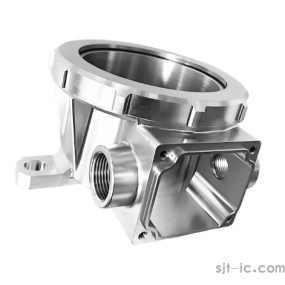
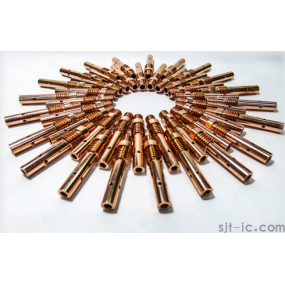
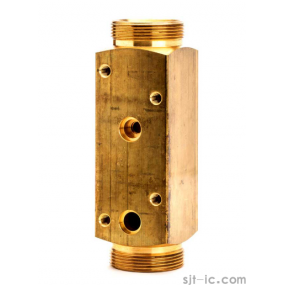
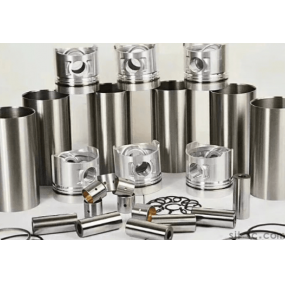
In Shenzhen's machinery processing industry, CNC machine tools are widely used to manufacture precision components. These machines can process different materials, including aluminum, stainless steel, copper, steel, and special alloys.
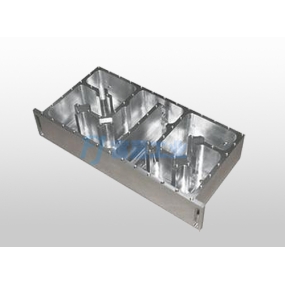
For example, an electronics manufacturer in Shenzhen may need a custom aluminum housing for a circuit board. A CNC machining center can precisely cut the aluminum block into the required shape, including holes, grooves, and mounting areas. The same technology is also used for automotive parts, aerospace components, and industrial equipment parts.
The main advantages of numerical control machine tools include:
- High precision: CNC machines can achieve very tight tolerances required for precision parts.
- High efficiency: Automated machining reduces manual operation time.
- Stable quality: The same program can produce multiple identical parts.
- Flexible production: Machines can quickly switch between different part designs.
Understanding the CNC process helps customers communicate better with machining suppliers and avoid problems such as incorrect dimensions, delayed production, or poor part quality.
2. CNC Machine Tool Programming in Shenzhen
Part Drawing Interpretation
The first step in CNC machine tool programming in Shenzhen is understanding the engineering drawing of the part. Before creating a CNC program, the programmer must carefully check all dimensions, tolerances, material requirements, and special machining instructions.
For example, when a Shenzhen electronics machinery processing plant produces a custom aluminum housing for a circuit board, the programmer studies the drawing to confirm every detail. If the drawing requires a 5 mm diameter hole with a tolerance of ±0.05 mm, this information must be correctly entered into the machining plan.
Accurate drawing interpretation is very important because the CNC program depends on this information. A small misunderstanding of a dimension or tolerance can cause incorrect machining and defective products.
Programming Language Selection and Code Writing
After understanding the drawing, engineers create the CNC program. Most CNC machines use programming languages based on G-code. These commands control machine movements, spindle speed, cutting direction, and tool movement.
For example, when machining a cylindrical part on a CNC lathe, the program may include commands that control movement along the X and Z axes. Commands such as G01 can instruct the cutting tool to move in a straight line at a specified feed rate.
A well-written CNC program helps the machine produce accurate parts efficiently. Experienced programmers also optimize cutting paths to reduce machining time and improve tool life.
3. Operation Steps of CNC Machine Tools
Machine Setup
The next stage involves preparing the CNC machine before production begins. The main operation steps of CNC machine tools include installing cutting tools, fixing the workpiece, setting machine coordinates, and checking machine accuracy.
For example, when producing automotive components in a Shenzhen machinery processing plant, an operator first selects a suitable milling cutter according to the material. The metal workpiece is then fixed firmly using a fixture or vise. After that, the machine axes are calibrated to ensure accurate positioning.
Proper setup prevents many problems, including:
- Tool damage caused by incorrect installation.
- Part errors caused by inaccurate positioning.
- Safety risks caused by loose workpieces.
Machining Execution
After setup is completed, the CNC machine begins machining according to the programmed instructions. The machine automatically controls the cutting tool and removes material layer by layer until the required shape is created.
For example, in an aerospace parts factory in Shenzhen, a CNC machining center may process a complex titanium component. The cutting tool follows programmed paths to create precise curves, holes, and surfaces.
During machining, operators monitor the machine carefully. They check for unusual vibration, abnormal noise, overheating, or tool wear. Early detection of problems helps prevent production delays and defective parts.
4. Quality Control in CNC Machining in Shenzhen
Quality control in CNC machining in Shenzhen is a key factor in ensuring reliable products. A professional machining plant does not only inspect finished parts but also monitors quality during the entire process.
In-Process Inspection
During machining, operators and quality inspectors regularly check important dimensions and surface conditions. If any problem is found, adjustments can be made immediately.
For example, in a mold manufacturing plant in Shenzhen, after rough milling a mold cavity, an inspector may use measuring tools to check the cavity depth and width. If the size is outside the required tolerance, engineers can adjust the CNC program before continuing production.
This inspection method reduces waste because problems are discovered before many defective parts are produced.
Final Inspection
After machining is completed, every important part goes through final inspection. Inspectors check dimensions, surface finish, appearance, and functional requirements.
For a high-precision gear produced in Shenzhen, a coordinate measuring machine (CMM) may be used to measure tooth profile, pitch diameter, and run-out accuracy. The surface is also checked for scratches, burrs, or other defects.
Final inspection ensures that only qualified parts are delivered to customers.
5. Material Handling in CNC Process
Material Selection
Material handling in CNC process starts with selecting the correct raw material. Different applications require different material characteristics.
For example:
- Aluminum is commonly used for electronic housings because it is lightweight and easy to machine.
- Stainless steel is selected for parts requiring corrosion resistance.
- Nickel-based alloys may be used for aerospace components that require high temperature resistance.
Choosing the right material ensures that the final part can work safely and effectively in its application.
Material Preparation
Before machining, raw materials usually need preparation. This may include cutting, cleaning, heat treatment, or surface preparation.
For example, before machining a large steel block into a machine base, a Shenzhen metalworking plant may first cut the material into a suitable size. Heat treatment may then be applied to improve hardness and strength.
Good material preparation improves machining efficiency and reduces production problems.
6. Post-Processing in Shenzhen CNC Machining
Deburring and Surface Finishing
After CNC machining, many parts require additional treatment. Post-processing in Shenzhen CNC machining often includes deburring, polishing, grinding, anodizing, or other surface treatments.
Deburring removes sharp edges created during cutting. Surface finishing improves appearance and performance.
For example, after machining a stainless-steel consumer product component, workers remove burrs to improve safety and polish the surface to create a smooth appearance.
Part Marking and Packaging
Many precision parts require identification information, including part numbers, production batches, and manufacturing dates. Laser marking is often used because it creates clear and permanent information.
After marking, parts are carefully packaged to prevent scratches or damage during transportation. Proper packaging is especially important for precision components with strict surface requirements.
7. EMAR's Expertise in CNC Machine Tool Processes in Shenzhen Machinery Processing
In Shenzhen's competitive machinery processing market, professional CNC experience is important for achieving stable quality and efficient production. EMAR focuses on CNC machining processes and provides precision manufacturing solutions for different industries.
Advanced CNC Technology and Equipment
EMAR uses advanced CNC equipment capable of handling complex machining requirements. Multi-axis CNC machines and high-speed machining technologies allow engineers to produce complicated parts with fewer setups.
For example, five-axis CNC machining can complete multiple surface operations in one setup. This reduces positioning errors, improves accuracy, and shortens production time.
Experienced Engineering and Operation Team
A successful CNC process requires not only machines but also skilled professionals. EMAR's engineering team understands CNC programming, machining parameter optimization, and process improvement.
Experienced operators carefully manage machine setup, production monitoring, and quality inspection. This combination of technology and expertise helps customers receive reliable CNC-machined parts for various applications.
Conclusion
The Process of numerical control machine tool in Shenzhen machinery processing plant includes many important stages, from drawing analysis and CNC programming to machine operation, quality inspection, material preparation, and post-processing.
Each step affects the final quality of the machined part. A reliable CNC machining partner must have advanced equipment, professional engineers, strict quality control systems, and practical manufacturing experience.
With strong CNC capabilities and process management, EMAR helps customers achieve accurate, efficient, and dependable machining solutions in Shenzhen's machinery processing industry.