
Sheet Metal Parts Processing for Mask Equipment: Materials, Techniques, Quality, and Cost Control
Sheet metal parts are important components in modern mask production equipment. From the outer housing and support frames to moving parts and protective covers, these metal components help the machine operate safely, accurately, and efficiently. High-quality Sheet Metal Parts Processing for Mask Equipment directly affects equipment stability, production speed, and the final quality of masks.
Manufacturers of mask equipment often face several challenges when producing sheet metal parts. Choosing the wrong material can reduce equipment life, unsuitable processing methods can increase production costs, and poor quality control can cause assembly problems. Understanding the complete processing process helps companies make better decisions and achieve reliable equipment performance.
The Role of Sheet Metal Parts in Mask Equipment
Sheet metal parts provide both structural and functional support in mask-making machinery. They can be used as machine frames, protective covers, brackets, guide rails, storage cabinets, and other customized components.
For example, the outer housing of a mask-folding machine protects internal mechanical and electrical systems from dust, moisture, and accidental damage. The frame of a mask-cutting machine must also maintain high rigidity because it needs to withstand repeated mechanical forces during operation.
Because mask equipment usually works continuously for long periods, sheet metal parts must have accurate dimensions, strong mechanical performance, and good surface quality. Small errors in size or shape may lead to poor assembly, vibration, or reduced production efficiency.
Material Selection for Mask Equipment Sheet Metal
Choosing the correct material is one of the most important steps in sheet metal manufacturing. The best material depends on the working environment, strength requirements, weight limitations, and cost targets. Proper material selection for mask equipment sheet metal helps improve equipment durability and reduces maintenance problems.
Stainless Steel for Corrosion Resistance and Durability
Stainless steel is widely used in mask equipment because it offers excellent corrosion resistance and strength. Common grades include 304 and 316 stainless steel.
During mask production, equipment surfaces may come into contact with cleaning agents, humidity, or other substances. Stainless steel can maintain its appearance and performance under these conditions.
For example, the outer shell of a mask-folding machine can be made from 304 stainless steel. It provides a clean appearance, strong protection, and resistance to daily wear. In environments with stricter corrosion requirements, 316 stainless steel may be a better choice.
Aluminum for Lightweight Machine Components
Aluminum sheet metal is another common choice when reducing weight is important. Its lightweight property helps lower the overall load on the machine structure and can improve energy efficiency.
For example, aluminum parts can be used in conveyor system components of mask equipment. Reducing the weight of moving parts can decrease motor stress and improve operating speed.
Aluminum also has good thermal conductivity, which can be useful in applications where heat control is important during mask production.
Steel Alloys for High-Strength Structures
Some mask equipment parts require extra strength and rigidity. In these cases, steel alloys may be selected.
For example, the main frame of a mask-cutting machine needs to remain stable during repeated cutting operations. Steel alloys can provide the strength needed to prevent deformation and maintain processing accuracy.
Processing Techniques in Sheet Metal Parts Manufacturing
After selecting the material, manufacturers use different processing methods to transform metal sheets into accurate machine components. The correct method depends on part shape, precision requirements, production volume, and budget. Understanding cutting techniques in mask equipment Sheet Metal Processing and other manufacturing steps helps achieve better results.
Cutting Methods for Sheet Metal Parts
Laser Cutting
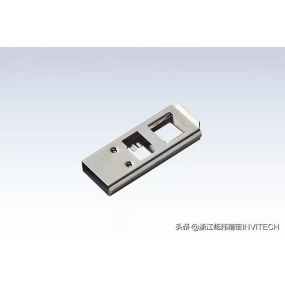
Laser cutting is a high-precision method commonly used for complex sheet metal parts. A powerful laser beam melts or vaporizes the metal along a programmed path, creating accurate shapes with a narrow cutting area.
This method is suitable for parts that require tight tolerances, such as templates, brackets, and precision plates used in mask-shaping mechanisms.
For example, laser-cut sheet metal parts can ensure accurate positioning when assembling a mask-folding system. The precise edges reduce fitting problems and improve machine reliability.
Shearing
Shearing is a practical and cost-effective method for cutting large metal sheets into smaller pieces. It is often used during the early preparation stage.
For example, large stainless steel sheets can be cut into suitable sizes before bending or other precision operations. Since shearing is faster and less expensive than laser cutting for simple shapes, it helps control manufacturing costs.
Forming Processes for Sheet Metal Parts
Forming changes flat metal sheets into three-dimensional shapes. Proper forming for mask equipment sheet metal parts ensures that components have the correct structure and fit during assembly.
Bending
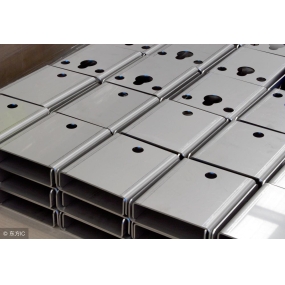
Bending is one of the most common forming methods. A press brake applies force to create specific angles in the sheet metal.
For example, the side panels of a mask storage cabinet can be produced by bending stainless steel sheets. The bending angle and radius must be controlled carefully to ensure accurate installation with other parts.
Roll Forming
Roll forming is suitable for producing long parts with continuous shapes. The sheet metal passes through several rollers that gradually form the required profile.
In mask equipment, roll forming can be used for conveyor rails or support structures. This method provides consistent shapes and is efficient for larger production quantities.
Welding and Assembly Methods
Spot Welding
Spot welding joins sheet metal parts by creating strong connections at specific points. It is widely used for assembling machine frames and support structures.
For example, brackets on a mask-feeding device can be attached using spot welding. The connection is strong while keeping the production process efficient.
Assembly with Fasteners
Using screws, bolts, and nuts is another common assembly method. It is especially useful when parts need regular maintenance or replacement.
For example, the protective cover of a mask inspection unit can be installed with screws. Technicians can quickly remove the cover when checking internal components.
Quality Control in Mask Equipment Sheet Metal
Reliable quality control prevents production problems and ensures that sheet metal parts work correctly after assembly. Strong quality control in mask equipment sheet metal includes inspection during manufacturing and final testing before delivery.
In-Process Inspection
Checking parts during production helps identify problems before they become expensive. Common measuring tools include calipers, micrometers, and height gauges.
For example, during bending, workers can measure the width and angle of a sheet metal component. If the size is incorrect, adjustments can be made immediately instead of discovering the problem during final assembly.
Final Inspection
After processing is complete, manufacturers should perform a final inspection. This includes checking surface quality, dimensions, and overall function.
Visual inspection can identify issues such as scratches, burrs, or welding defects. Functional testing can confirm that moving parts fit correctly and operate smoothly.
For example, a sheet metal sliding component in a mask-feeding system should be tested to ensure smooth movement without interference.
Cost-Effectiveness in Mask Equipment Sheet Metal Processing
Controlling cost does not mean reducing quality. A professional manufacturing process balances material usage, production efficiency, and part performance. Improving cost-effectiveness in mask equipment sheet metal processing helps companies reduce waste while maintaining reliable equipment.
Optimizing Material Usage
Reducing material waste is an effective way to lower costs. Manufacturers can use nesting software to arrange cutting layouts efficiently and reduce unused space on metal sheets.
For example, when producing multiple brackets or panels, optimized layouts allow more parts to be cut from one sheet, reducing raw material expenses.
Selecting Efficient Processing Methods
Choosing the correct manufacturing method for each part can significantly improve cost efficiency. Expensive processes should only be used when necessary.
For example, simple rectangular blanks may be prepared using shearing instead of laser cutting. Laser cutting can then be reserved for complex parts that require higher accuracy.
Choosing an Experienced Sheet Metal Processing Partner
Producing sheet metal parts for mask equipment requires experience in material selection, precision processing, inspection, and cost management. A professional manufacturer can help customers select suitable materials, optimize production methods, and maintain consistent quality.
Companies such as EMAR provide expertise in customized sheet metal parts processing for industrial equipment. With experience in cutting, forming, welding, assembly, and quality inspection, EMAR helps customers develop reliable sheet metal solutions for mask production machinery.
By understanding each stage of Sheet Metal Parts Processing for Mask Equipment, manufacturers can build equipment that is durable, accurate, and cost-effective. The right combination of materials, processing methods, and quality control ensures stable operation and long-term value.