Stamping Processing of Small Metal Parts: Process, Quality, Cost, and Applications
The stamping processing of small metal parts is a widely used manufacturing method for producing accurate, durable, and cost-effective metal components. It uses stamping machines and specially designed dies to shape metal sheets or strips into specific forms through pressing, cutting, bending, or forming operations.
Small stamped metal parts are found in many industries, including electronics, automotive, medical equipment, communication devices, and household products. For companies that need large quantities of precise metal components, stamping provides an efficient solution with stable quality and competitive production costs.
What Is Stamping Processing of Small Metal Parts?
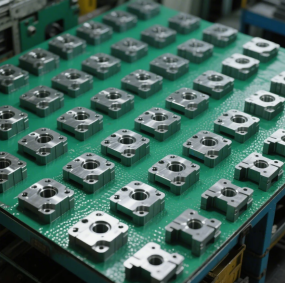
Stamping processing of small metal parts is a manufacturing technique where metal materials are placed into a stamping machine and shaped by applying pressure. The process can create small components with complex designs while maintaining high production speed and consistency.
Common materials used in small metal part stamping include:
- Stainless steel for corrosion resistance and strength
- Carbon steel for strong and economical parts
- Aluminum for lightweight applications
- Copper and brass for electrical components
Unlike manual machining methods, stamping can produce thousands or even millions of identical parts after the die is prepared. This makes it suitable for industries requiring reliable mass production.
Steps in Stamping Small Metal Parts
Understanding the steps in stamping small metal parts helps buyers choose the right manufacturing partner and control product quality. Although each project may have different requirements, the basic process usually includes the following steps:
- Product design and engineering review: Engineers analyze drawings, material requirements, tolerances, and production methods. A good design can reduce manufacturing difficulties and improve production efficiency.
- Die design and manufacturing: A customized stamping die is created according to the shape and size of the metal part. The quality of the die directly affects production accuracy and service life.
- Material preparation: Metal sheets or coils are selected, inspected, and prepared for stamping.
- Stamping production: The stamping machine presses the material through the die to complete cutting, bending, punching, or forming operations.
- Surface treatment and finishing: Depending on customer needs, parts may receive polishing, plating, coating, cleaning, or other treatments.
- Inspection and packaging: Finished parts are checked for dimensions, appearance, and performance before delivery.
Key Factors Affecting Quality Control in Stamping Small Metal Parts
Quality control in stamping small metal parts is essential because small components often require very tight accuracy. A minor size error can affect the performance of the final product, especially in precision industries.
Professional manufacturers usually control quality through several methods:
- Material inspection: Checking material thickness, hardness, and chemical properties before production.
- Die accuracy control: Ensuring the stamping die is manufactured according to precise design requirements.
- Production monitoring: Checking key dimensions during stamping to detect problems early.
- Final inspection: Using measuring tools such as calipers, microscopes, and testing equipment to verify finished parts.
For example, a small metal connector used in electronic equipment may require extremely accurate dimensions. Proper quality control ensures the connector fits correctly and maintains stable electrical performance.
How to Achieve Cost-Efficient Stamping of Small Metal Parts
Many customers choose stamping because it offers excellent production efficiency. However, achieving cost-efficient stamping of small metal parts requires careful planning in design, material selection, and production management.
Several factors can help reduce manufacturing costs:
- Optimize part design: Simple and practical designs can reduce die complexity and production time.
- Select suitable materials: Choosing the right metal grade avoids unnecessary material expenses.
- Use high-quality dies: Durable dies reduce maintenance costs and improve production stability.
- Choose experienced manufacturers: Skilled suppliers can reduce waste, defects, and delivery delays.
Although the initial die cost may seem high, stamping becomes very economical for medium and large production quantities because the cost per piece decreases as output increases.
Applications of Stamped Small Metal Parts
The applications of stamped small metal parts cover many industries because stamping can produce lightweight, precise, and reliable components.
- Automotive industry: Used for clips, brackets, connectors, sensors, and structural components.
- Electronics industry: Used for terminals, shielding parts, springs, and small metal housings.
- Medical equipment: Used for precision components requiring clean surfaces and accurate dimensions.
- Communication equipment: Used for internal connectors and support parts.
- Consumer products: Used in appliances, tools, and daily-use products.
For example, a smartphone manufacturer may need thousands of tiny metal brackets and shielding parts. Stamping allows these parts to be produced quickly while maintaining consistent quality.
Custom Stamping Processing of Small Metal Parts
When standard parts cannot meet product requirements, companies often choose custom stamping processing of small metal parts. Custom services allow manufacturers to produce components based on specific drawings, materials, sizes, and performance requirements.
A reliable custom stamping supplier should provide:
- Engineering support from design to production
- Professional die development capabilities
- Flexible production capacity for different order sizes
- Strict quality inspection systems
- On-time delivery and customer communication
EMAR provides professional stamping processing services for small metal parts, supporting customers with customized solutions from product design analysis and mold development to precision stamping production and quality inspection. With experience in metal processing, EMAR helps customers improve production efficiency while maintaining reliable part quality.
How to Choose a Reliable Small Metal Parts Stamping Supplier
Choosing the right supplier is important for product quality, delivery time, and long-term cooperation. Before selecting a stamping manufacturer, consider the following points:
- Manufacturing experience: Check whether the supplier has experience producing similar small metal components.
- Equipment capability: Confirm that the manufacturer has suitable stamping machines and inspection equipment.
- Quality management: Ask about inspection processes and quality standards.
- Customization ability: Make sure the supplier can support special designs and production requirements.
- Communication and service: Good technical support helps solve problems during product development.
Conclusion
The stamping processing of small metal parts is an effective manufacturing solution for producing accurate and affordable metal components. By understanding the production steps, quality control methods, cost factors, and application areas, companies can make better decisions when selecting a stamping supplier.
Whether you need standard components or custom stamping processing of small metal parts, working with an experienced manufacturer can improve product reliability, reduce production costs, and support successful product development.