What are the common types of medical parts processing?
Medical parts processing plays an important role in the development and production of medical devices, surgical tools, implants, and diagnostic equipment. Many manufacturers and healthcare companies need to understand different processing methods before choosing the right solution. Knowing What are the common types of medical parts processing? helps companies select suitable manufacturing technologies, materials, and production methods to achieve high quality, safety, and cost efficiency.
Medical parts must meet strict requirements because they are often used directly in healthcare environments or inside the human body. Factors such as precision, durability, sterilization ability, and biocompatibility are all important. The most common processing methods include CNC Machining, injection molding, and 3D printing. Each method has different advantages and is suitable for different medical applications.
CNC Machining for Medical Parts
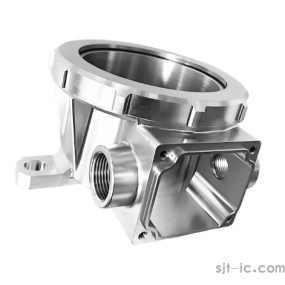
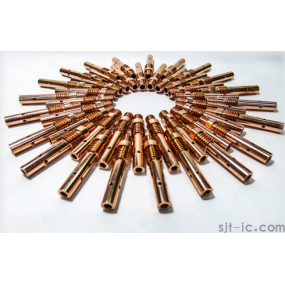
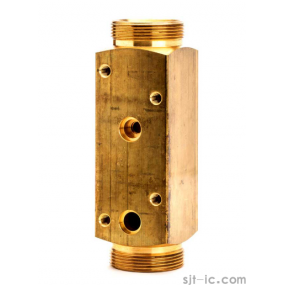
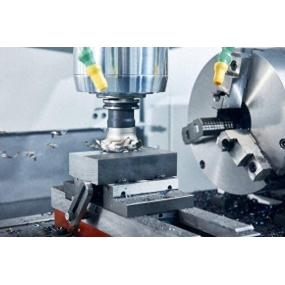
CNC machining for medical parts is one of the most widely used manufacturing methods when high precision and reliability are required. CNC machining uses computer-controlled machines to remove material from a workpiece and create accurate medical components based on digital designs.
High Precision for Critical Medical Components
Precision is one of the biggest advantages of CNC machining. Medical parts often require very small tolerances because even a small error can affect device performance or patient safety.
For example, orthopedic implants such as hip and knee replacement components require complex shapes and accurate dimensions. CNC machining can produce these parts with consistent accuracy, allowing the implant to fit properly inside the patient's body and function correctly.
This high level of precision is also important for surgical instruments, medical equipment components, and other parts where reliability is essential.
Wide Material Compatibility
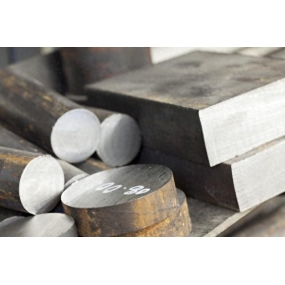
CNC machining can process many materials used in medical applications. Common choices include titanium, stainless steel, and cobalt-chromium alloys.
- Titanium: Lightweight, strong, corrosion-resistant, and highly biocompatible. It is commonly used for orthopedic implants and dental implants.
- Stainless steel: Durable, easy to sterilize, and frequently used for surgical instruments.
- Cobalt-chromium alloys: Known for strength and wear resistance, making them suitable for certain implant applications.
Choosing the correct material is important because medical parts must perform safely for a long time while reducing the risk of adverse reactions.
Injection Molding in Medical Part Production
Injection molding in medical part production is widely used when manufacturers need to produce large quantities of medical components quickly and consistently. This process involves injecting melted plastic material into a specially designed mold, where it cools and forms the final part.
Efficient Mass Production
Injection molding is ideal for disposable and high-volume medical products. For example, syringes, medical containers, and protective housings are often produced using injection molding.
Once the mold is created, manufacturers can produce thousands or even millions of identical parts with stable quality. This helps medical companies meet market demand while controlling production costs.
Producing Complex Medical Shapes
Another advantage of injection molding is its ability to create complicated shapes. Medical devices often contain small channels, connectors, or detailed structures that are difficult to produce using other methods.
For example, medical connectors used in fluid management systems may require precise internal passages and external features. Injection molding allows these complex designs to be produced efficiently and consistently.
3D Printing of Medical Parts
3D printing of medical parts has become increasingly popular because it provides excellent customization and rapid development possibilities. Unlike traditional manufacturing methods, 3D printing builds parts layer by layer from a digital model.
Customized Medical Solutions
One major benefit of 3D printing is the ability to create patient-specific medical parts. Every patient has different body structures, and customized products can improve comfort and treatment results.
For example, dental crowns can be created using digital scans of a patient's teeth. The 3D printer uses this information to produce a crown designed specifically for that individual, providing a better fit.
3D printing is also used for customized orthopedic supports, surgical guides, and anatomical models that help doctors prepare for complex procedures.
Fast Prototyping for Medical Device Development
Developing new medical devices often requires repeated testing and improvement. 3D printing allows engineers to quickly create prototypes before moving into full-scale production.
For example, a medical device company developing a new surgical instrument can print a prototype, test its design, make improvements, and reduce development time.
This faster development process helps manufacturers bring innovative medical products to the market more efficiently.
Materials for Medical Parts Processing
The choice of material is a key factor in medical manufacturing. Different medical parts require different properties, such as strength, flexibility, chemical resistance, and compatibility with the human body.
Biocompatible Metals
Biocompatible metals are widely used because they can safely interact with the human body and provide excellent mechanical performance.
- Titanium: Frequently used in implants because of its strength, low weight, and corrosion resistance.
- Stainless steel: Commonly used for surgical tools because it is durable and easy to sterilize.
- Cobalt-chromium alloys: Used in applications requiring high strength and wear resistance.
Medical-grade Plastics
Medical-grade plastics are also important materials for many disposable and reusable medical products.
- Polyethylene: Often used for medical tubing because it is flexible and resistant to chemicals.
- Polypropylene: Commonly used for syringes and disposable medical products because it is easy to mold and sterilize.
- Polycarbonate: Used for transparent medical components because of its strength and clarity.
Selecting suitable materials helps ensure that medical parts remain safe, reliable, and effective throughout their service life.
Applications of Medical Parts Processing Types
The different manufacturing methods used in medical parts processing support many areas of healthcare. Understanding the applications of medical parts processing types helps manufacturers choose the best technology for each product.
Surgical and Orthopedic Applications
CNC machining is commonly used to produce surgical instruments and orthopedic implants that require high accuracy. Injection molding is suitable for producing plastic components such as medical device housings and handles.
3D printing can create customized orthopedic splints and surgical guides. For example, a 3D-printed surgical guide can help surgeons position screws more accurately during orthopedic operations.
These manufacturing technologies improve surgical safety, product reliability, and patient outcomes.
Diagnostic and Monitoring Applications
Medical processing methods are also widely used in diagnostic and monitoring equipment.
- Injection molding produces protective cases for devices such as blood glucose meters.
- CNC machining creates precise components for imaging and testing equipment.
- 3D printing produces customized parts for patient-specific diagnostic devices.
By using the correct manufacturing method, medical device companies can create accurate, durable, and user-friendly products.
EMAR's Expertise in Medical Parts Processing
Choosing an experienced manufacturing partner is important when producing medical components. EMAR has professional experience in medical parts processing and provides solutions using technologies such as CNC machining, injection molding, and advanced manufacturing methods.
With knowledge of different materials and production requirements, EMAR can support complex medical part projects, including high-precision components, customized medical products, and parts requiring strict quality control.
Reliable Quality Control for Medical Parts
Medical manufacturing requires careful attention to quality because product performance directly affects safety and reliability. EMAR applies strict inspection procedures throughout the production process to help ensure that medical parts meet customer requirements.
From material selection and machining accuracy to final inspection, quality management helps deliver dependable medical components for healthcare applications.
Conclusion
Understanding What are the common types of medical parts processing? helps manufacturers make better decisions when developing medical devices. CNC machining provides excellent precision, injection molding supports efficient mass production, and 3D printing enables customization and rapid prototyping.
The right combination of manufacturing method and material can improve medical product safety, performance, and cost efficiency. With experience in different medical parts processing technologies, companies like EMAR can help customers create high-quality medical components that meet demanding industry requirements.