
What are the differences between Sheet Metal Processing and hardware processing?
For companies involved in manufacturing, construction, electronics, or product development, choosing the correct processing method is an important decision. Many people ask: What are the differences between sheet metal processing and hardware processing? Although both involve metal manufacturing, they are different in materials, processing methods, applications, production scales, and equipment.
Understanding these differences helps businesses select the right manufacturing solution, control production costs, improve product quality, and avoid problems such as choosing unsuitable materials or using the wrong production method. This article explains the main differences between sheet metal processing and hardware processing with practical examples.
1. Material Differences in Sheet Metal and Hardware Processing
One of the biggest differences between sheet metal and hardware processing is the type and form of materials used. The material choice directly affects product strength, weight, durability, appearance, and production cost.
Sheet Metal Materials
Sheet metal processing mainly focuses on flat and thin metal sheets. Common materials include cold-rolled steel, galvanized steel, stainless steel, aluminum, and copper.
- Steel sheet metal: It provides high strength and is commonly used for automotive body panels, machine covers, and industrial cabinets.
- Aluminum sheet metal: It is lightweight, corrosion-resistant, and has good electrical conductivity. For example, electronic equipment enclosures often use aluminum sheet metal because it protects internal parts while reducing overall weight.
- Stainless steel sheet metal: It is suitable for products requiring corrosion resistance, such as food equipment and medical device covers.
The selection of sheet metal materials is important because different materials provide different performance characteristics. A lightweight product may require aluminum, while a heavy-duty structure may need stronger steel.
Hardware Materials
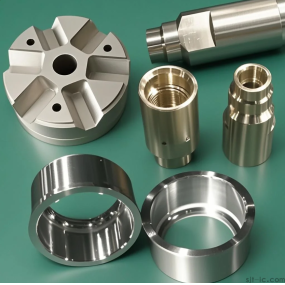
Hardware processing usually involves a wider range of materials and shapes. Unlike sheet metal processing, hardware parts are not limited to thin metal sheets. Materials can include metal bars, rods, blocks, forgings, plastics, ceramics, and composite materials.
- Steel and alloy materials: Used for strong components such as bolts, gears, shafts, and hinges.
- Plastic materials: Used for parts like handles, knobs, and protective covers because they are affordable and easy to shape.
- Special materials: Ceramics and composites may be used for parts requiring heat resistance or special performance.
The material differences in sheet metal and hardware processing show that sheet metal is mainly designed for forming large surfaces, while hardware processing focuses on creating functional components with different shapes and properties.
2. Processing Technique Differences
The manufacturing methods used for sheet metal and hardware components are also different. Each method is selected according to the material type, product design, and performance requirements.
Sheet Metal Processing Techniques
Sheet metal processing mainly changes flat metal sheets into three-dimensional structures. Common techniques include cutting, bending, and stamping.
- Laser cutting: A laser beam cuts sheet metal into accurate shapes. For example, metal brackets with complex designs can be produced with high precision.
- Bending: Press brakes are used to bend flat sheets into shapes such as cabinet panels, equipment frames, and enclosures.
- Stamping: Stamping machines use molds to produce large quantities of identical parts, such as washers and small metal covers.
These processes are effective because sheet metal is flexible and can be formed into different shapes without removing too much material.
Hardware Processing Techniques
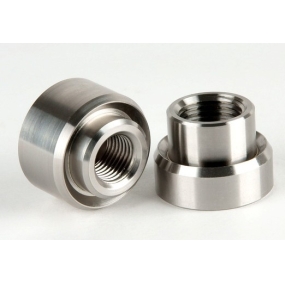
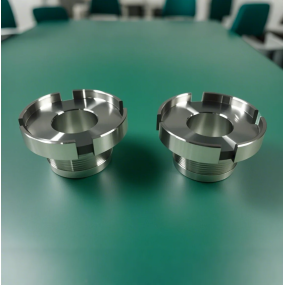
Hardware processing includes more traditional manufacturing methods such as machining, forging, casting, and molding.
- Turning: A lathe rotates the material while cutting tools shape it into parts such as bolts or shafts.
- Milling: Milling machines create flat surfaces, grooves, and complex shapes on metal components.
- Forging: Metal is shaped under high pressure to improve strength. Forged gears and industrial tools are common examples.
- Casting: Molten metal is poured into molds to create parts with complex structures.
- Molding: Plastic hardware parts can be produced efficiently through injection molding.
The processing technique differences between the two methods mainly come from their different goals. Sheet metal processing focuses on forming thin sheets, while hardware processing focuses on creating individual functional parts.
3. Application Differences Between Sheet Metal and Hardware
The final use of products is another important difference. Sheet metal and hardware components serve different roles in industries.
Sheet Metal Applications
Sheet metal is widely used where large surfaces, lightweight structures, and protective covers are needed.
- Automotive industry: Sheet metal is used for vehicle doors, hoods, roofs, and body panels.
- Electronics industry: Computer cases, electrical cabinets, and equipment enclosures often use sheet metal for protection and electromagnetic shielding.
- Industrial equipment: Machine covers and control cabinets are commonly made from sheet metal.
For example, a computer chassis needs a strong but lightweight enclosure. Sheet metal is a good choice because it provides protection while allowing efficient mass production.
Hardware Applications
Hardware components are usually used for connection, movement, support, or operation functions.
- Construction: Screws, bolts, nails, and hinges connect and support building structures.
- Machinery: Gears, bearings, and shafts help machines transfer power and operate correctly.
- Daily products: Handles, locks, and decorative hardware parts are widely used in homes and offices.
The application differences between sheet metal and hardware can be summarized simply: sheet metal is often used to create the outer structure of a product, while hardware parts usually provide connection, movement, or functional support.
4. Production Scale Differences in Processing
Both sheet metal and hardware processing can support different production volumes, but their production methods often vary depending on customer requirements.
Sheet Metal Production Scale
Sheet metal processing can be used for both large-volume manufacturing and customized projects.
- Large-scale production: Automotive factories use automated stamping lines to produce thousands of body panels every day.
- Small-batch production: Custom metal cabinets, equipment covers, and prototype parts can be produced according to specific customer designs.
The flexibility of sheet metal processing allows manufacturers to serve different industries, from large companies to small product developers.
Hardware Production Scale
Hardware production also ranges from mass manufacturing to specialized custom production.
- High-volume production: Standard products such as screws, bolts, and fasteners are manufactured in large quantities with automated equipment.
- Small-batch production: Special gears, precision shafts, or customized mechanical parts may require limited production runs.
The production scale differences in processing depend on product complexity, customer demand, and required precision.
5. Equipment Differences in Sheet Metal and Hardware Processing
The equipment used in each manufacturing method is designed for different operations.
Sheet Metal Processing Equipment
- Laser cutting machines: Used for accurate sheet cutting and complex designs.
- Press brakes: Used to create precise bends and three-dimensional shapes.
- Stamping machines: Used for fast production of large quantities of identical parts.
For example, a laser cutting machine can quickly create detailed patterns in a metal sheet, while a press brake can form it into an equipment enclosure.
Hardware Processing Equipment
- Lathes: Used to produce round parts such as bolts and shafts.
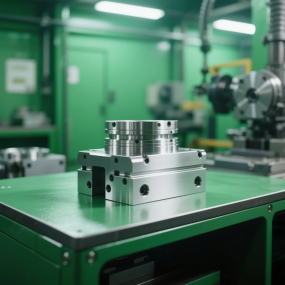
- Milling machines: Used for complex surfaces and precision machining.
- Drilling machines: Used to create accurate holes.
- Forging equipment: Used to produce strong metal parts through pressure forming.
- Casting equipment: Used for creating complex shapes from melted materials.
The equipment differences in sheet metal and hardware processing reflect the different manufacturing goals. Sheet metal equipment focuses on cutting and forming sheets, while hardware equipment focuses on shaping solid materials.
6. EMAR's Expertise in Sheet Metal and Hardware Processing
For businesses that need both sheet metal and hardware components, working with a supplier that understands both areas can make production easier and more efficient. EMAR provides professional manufacturing services covering both sheet metal processing and hardware processing.
With advanced equipment and experienced engineers, EMAR can handle projects with different materials, designs, and production requirements. For sheet metal projects, precision cutting, bending, and forming technologies help create accurate enclosures, brackets, and structural parts. For hardware projects, professional machining capabilities support the production of precision components with complex shapes.
EMAR's engineering team can help customers choose suitable materials, improve product designs, and select efficient processing methods. Whether a project requires lightweight sheet metal structures or strong hardware components, EMAR can provide a complete manufacturing solution from design support to production.
Choosing a supplier with capabilities in both fields reduces communication costs and helps ensure consistent quality across different product parts.
Conclusion
So, what are the differences between sheet metal processing and hardware processing? The main differences are found in materials, processing techniques, applications, production scales, and equipment.
Sheet metal processing mainly works with thin metal sheets and focuses on cutting, bending, and forming large structures. Hardware processing uses a wider range of materials and methods to create functional components such as fasteners, gears, and mechanical parts.
Understanding these differences helps manufacturers choose the right process for their products. With experience in both sheet metal and hardware manufacturing, companies like EMAR can support customers with flexible, reliable, and efficient production solutions.