HTML
Stainless Steel CNC Machining Methods: A Practical Guide to Better Precision and Quality
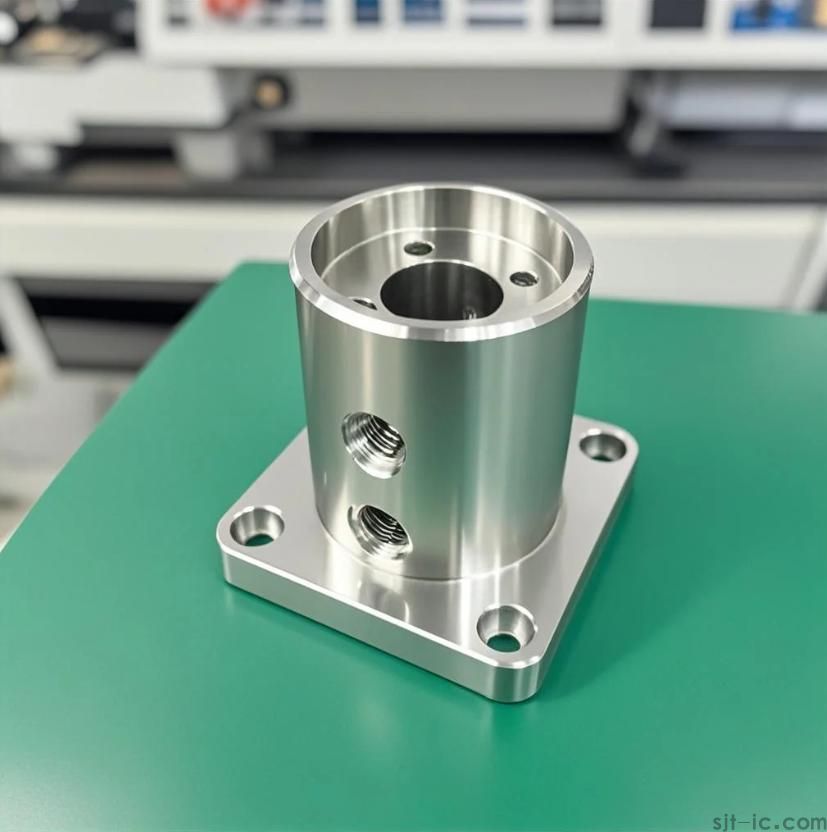
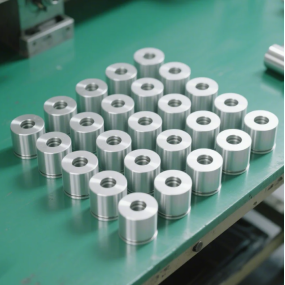
Choosing the right Stainless Steel CNC Machining Methods is important because stainless steel is not an easy material to process. It has excellent corrosion resistance, high strength, and good durability, which make it popular in industries such as medical equipment, automotive parts, aerospace components, food processing machines, and industrial tools. However, these same properties can create machining difficulties.
Stainless steel is harder than many common metals, produces strong cutting resistance, and often creates long chips during machining. If the wrong tools or cutting conditions are used, problems such as fast tool wear, poor surface finish, part deformation, and longer production time may occur.
This article explains the main CNC machining methods for stainless steel, including milling, turning, drilling, and grinding. It also discusses tooling choices, cutting parameters, common problems, and solutions to help manufacturers and buyers make better decisions.
Why Stainless Steel Requires Special CNC Machining Methods
Stainless steel has several properties that directly affect CNC machining:
- High hardness: Stainless steel requires strong cutting tools because it creates more cutting force than softer metals such as aluminum.
- High ductility: Stainless steel can bend or stretch instead of breaking, which makes chip control more difficult.
- Work hardening: The surface of stainless steel can become harder during machining if cutting conditions are not correct.
- Corrosion resistance: Stainless steel parts often require careful handling and finishing to maintain their protective surface properties.
Because of these characteristics, CNC machining suppliers must select suitable machines, cutting tools, speeds, feeds, and cooling methods for each stainless steel grade. Experienced manufacturers such as EMAR use different machining strategies based on material type, part design, and production requirements to achieve stable quality.
Milling Stainless Steel in CNC Machining
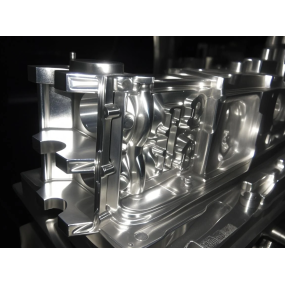
Milling stainless steel in CNC machining is one of the most common methods for producing complex stainless steel parts. CNC milling uses rotating cutting tools to remove material from a fixed workpiece. It is suitable for creating slots, pockets, flat surfaces, curved shapes, and precision features.
Required Tools for Stainless Steel Milling
Because stainless steel generates high cutting forces and heat, tool selection is very important. Common choices include:
- Carbide end mills with strong cutting edges
- Coated carbide tools, such as TiAlN or similar coatings, for improved wear resistance
- High-performance milling cutters designed for stainless steel applications
Recommended Milling Parameters
- Cutting speed: Usually around 50–150 m/min depending on stainless steel grade, tool material, and machine rigidity.
- Feed rate: Commonly 0.05–0.3 mm per tooth depending on cutter diameter and machining conditions.
- Depth of cut: Rough machining may use larger depths, while finishing usually requires smaller depths for better surface quality.
Exact parameters must be adjusted according to the stainless steel type. For example, softer stainless steel grades may allow higher speeds, while hardened stainless steel requires slower cutting conditions.
Common Milling Problems and Solutions
- Tool wear: Reduce cutting speed, use coated carbide tools, and apply proper cooling.
- Chip buildup: Improve chip evacuation with optimized tool geometry and coolant flow.
- Vibration: Use rigid fixtures, shorter tools, and suitable cutting strategies.
Turning Parameters for Stainless Steel CNC
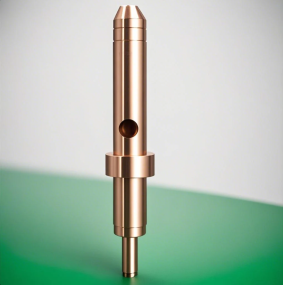
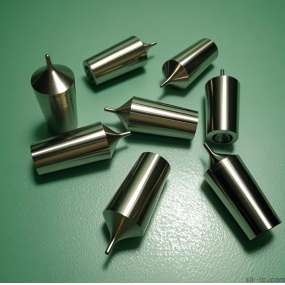
Turning parameters for stainless steel CNC are critical when producing round parts such as shafts, bushings, connectors, and precision mechanical components. In CNC turning, the workpiece rotates while a cutting tool removes material.
Tools Used for Stainless Steel Turning
- Carbide turning inserts
- Positive rake inserts for reducing cutting force
- Wear-resistant coated inserts for longer tool life
Typical Turning Parameters
- Cutting speed: Approximately 80–200 m/min for many stainless steel applications, depending on the insert and material grade.
- Feed rate: Usually 0.1–0.4 mm/rev depending on whether roughing or finishing is required.
- Depth of cut: Rough turning may use 1–5 mm, while finishing operations normally use smaller depths.
Turning Challenges and Solutions
One major challenge in stainless steel turning is chip formation. Stainless steel often produces long, flexible chips that can damage the tool or scratch the part surface.
- Use chip breaker inserts to control chip shape.
- Maintain stable cutting conditions to avoid interrupted cuts.
- Apply high-pressure coolant when necessary to improve chip removal and reduce heat.
Drilling Challenges in Stainless Steel CNC Machining
Drilling challenges in stainless steel CNC machining are common because stainless steel generates high friction and heat during hole-making operations. Incorrect drilling methods can cause broken tools, inaccurate holes, and poor surface quality.
Drilling Tools for Stainless Steel
- Cobalt high-speed steel drills for general applications
- Carbide drills for high-volume or high-precision production
- Coated drills for improved heat resistance
Recommended Drilling Conditions
- Cutting speed: Often 10–40 m/min depending on drill material and stainless steel grade.
- Feed rate: Generally 0.05–0.3 mm/rev depending on hole size.
- Peck drilling: Recommended for deep holes to improve chip removal.
How to Solve Drilling Problems
- Use sharp drills to reduce cutting pressure.
- Apply sufficient coolant to control heat.
- Avoid stopping the drill inside the material because stainless steel can work harden quickly.
Grinding Methods for Stainless Steel CNC Parts
Grinding methods for stainless steel CNC parts are used when very high accuracy and excellent surface finishes are required. Grinding removes small amounts of material using abrasive wheels or belts.
Common Grinding Tools
- Aluminum oxide grinding wheels
- Silicon carbide abrasives
- Diamond grinding tools for special applications
Grinding Process Considerations
- Grinding speed: Usually controlled based on wheel type and machine capability.
- Feed rate: Lower feed rates are often used for precision finishing.
- Depth of cut: Small cutting depths help prevent overheating and surface damage.
Grinding Challenges
- Heat generation: Use coolant and proper grinding conditions to prevent discoloration or surface damage.
- Wheel loading: Choose suitable abrasive materials and regularly dress the grinding wheel.
Post-Machining Treatments for Stainless Steel CNC Components
Post-machining treatments for stainless steel CNC-machined components improve appearance, corrosion resistance, and functional performance. The correct finishing process depends on the final application.
- Polishing: Creates a smooth and attractive surface finish.
- Passivation: Improves corrosion resistance by removing free iron contamination from the surface.
- Electropolishing: Provides a cleaner surface for medical and food-related applications.
- Bead blasting: Produces a uniform matte appearance.
- Heat treatment: May improve hardness or relieve machining stress for specific stainless steel grades.
How to Choose the Right Stainless Steel CNC Machining Method
The best machining method depends on several factors:
- Part design: Complex shapes may require CNC milling, while round parts are better suited for turning.
- Required accuracy: Precision components may need grinding after machining.
- Material grade: Different stainless steel grades have different hardness and cutting behavior.
- Production volume: High-volume production requires stable tools and optimized parameters.
- Surface requirements: Some applications require additional finishing treatments.
A professional CNC machining partner should understand both machining technology and material behavior. EMAR has experience with multiple stainless steel CNC machining methods, including milling, turning, drilling, and precision finishing. By combining suitable equipment, experienced engineers, and strict quality control processes, EMAR helps customers produce reliable stainless steel components for different industries.
Conclusion
Stainless steel CNC machining requires careful planning because its hardness, ductility, and corrosion resistance create unique processing challenges. Milling, turning, drilling, and grinding each have their own advantages and require different tools and cutting parameters.
Using the correct Stainless Steel CNC Machining Methods can improve machining efficiency, reduce tool costs, and achieve better part quality. Working with an experienced CNC machining manufacturer helps ensure that material selection, machining processes, and post-treatment steps are properly matched to the final application.
 English
 » »
» »
 Spanish
 Arabic
 French
 Portuguese
 Belarusian
 Japanese
 Russian
 Malay
Malay Icelandic
 Bulgarian
 Azerbaijani
 Estonian
 Irish
Irish Polish
 Persian
 Boolean
 Danish
 German
 Filipino
 Finnish
 Korean
 Dutch
Dutch Galician
 Catalan
 Czech
Czech Croatian
 Latin
Latin Latvian
 Romanian
 Maltese
 Macedonian
 Norwegian
 Swedish
 Serbian
 Slovak
 Slovenian
 Swahili
 Thai
Thai Turkish
 Welsh
Welsh Urdu
Urdu Ukrainian
 Greek
Greek Hungarian
 Italian
 Yiddish
 Indonesian
 Vietnamese
 Haitian Creole
 Spanish Basque