HTML
CNC Mold Machining Production: A Practical Guide for Better Quality and Efficiency
CNC Mold Machining Production plays a key role in modern manufacturing. Many industries such as automotive, electronics, medical devices, and consumer goods rely on high-precision molds to produce consistent and high-quality parts. However, many buyers and engineers face common problems like unstable quality, long lead times, and unclear manufacturing processes.
This article explains CNC Mold Machining Production in simple English. It helps you understand how the process works, what affects quality, and how to choose a reliable partner for your mold projects.
What is CNC Mold Machining Production?
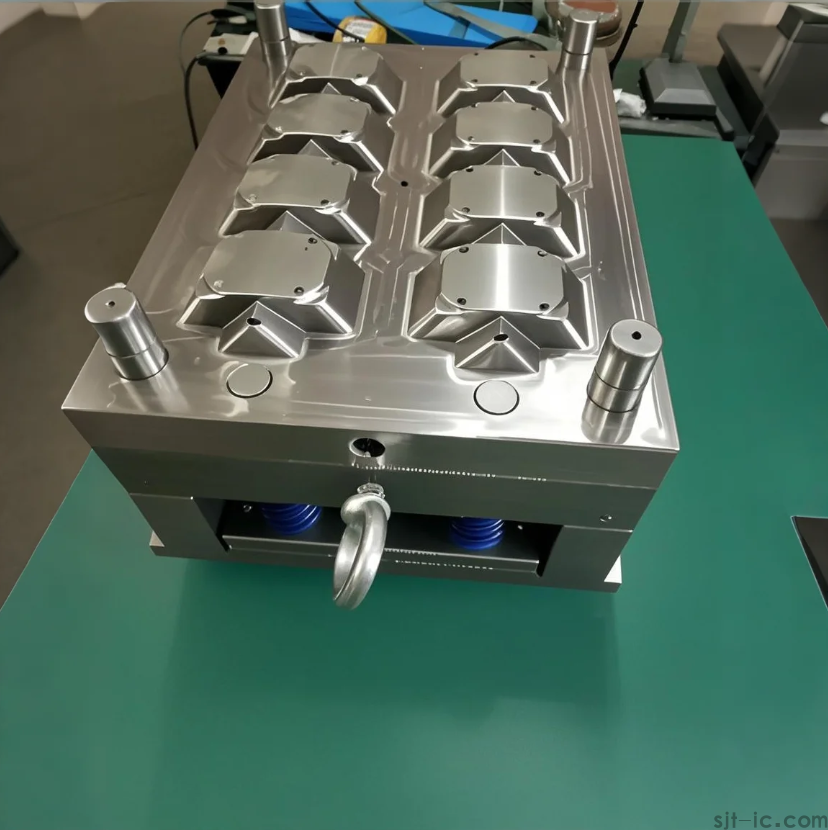
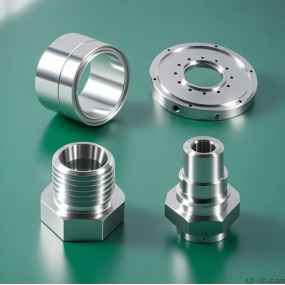
CNC Mold Machining Production refers to the process of using computer-controlled machines to create precise molds. These molds are then used for mass production of plastic or metal parts.
Compared with traditional manual machining, CNC technology offers higher accuracy, better repeatability, and faster production speed. It reduces human error and ensures stable product quality.
Steps in CNC Mold Machining Production Process
Understanding the steps in CNC mold machining production process helps you better control cost, quality, and delivery time.
- Design Stage: Engineers create a 3D mold design based on product requirements.
- Material Selection: High-quality steel or aluminum is selected depending on durability needs.
- CNC Programming: CAM software converts the design into machine instructions.
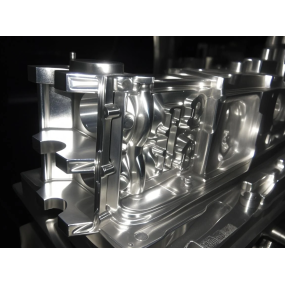
- CNC Machining: Machines cut and shape the mold with high precision.
- Surface Treatment: Polishing, heat treatment, or coating improves mold life.
- Inspection: Final quality checks ensure accuracy and performance.
Key Factors Influencing CNC Mold Machining Production Quality
The key factors influencing CNC mold machining production quality directly determine whether the final mold meets industrial standards.
- Machine Accuracy: High-end CNC machines produce more precise molds.
- Operator Skill: Experienced technicians reduce errors and improve efficiency.
- Material Quality: Poor materials can reduce mold lifespan.
- Design Optimization: Good design reduces machining difficulty and defects.
- Quality Control System: Strict inspection ensures stable results.
Tooling Used in CNC Mold Machining Production
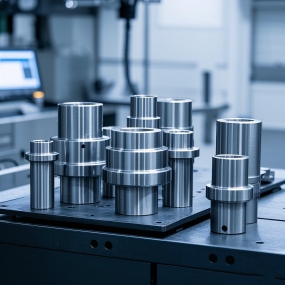
The tooling used in CNC mold machining production is essential for achieving fine surface finish and accuracy.
- End mills for cutting complex shapes
- Drills for precise hole making
- Ball nose cutters for 3D surface finishing
- Carbide tools for hard materials
- Grinding tools for final polishing
Choosing the right tooling improves efficiency and reduces tool wear, which helps control production cost.
Advantages of CNC in Mold Machining Production
The advantages of CNC in mold machining production make it the preferred choice for modern factories.
- High precision and tight tolerance control
- Stable and repeatable production quality
- Faster turnaround time compared to manual methods
- Ability to produce complex mold structures
- Reduced labor cost and human error
These advantages help manufacturers meet strict industry requirements and improve competitiveness.
Challenges and Solutions in CNC Mold Machining Production
Even with advanced technology, there are still challenges and solutions in CNC mold machining production that manufacturers must address.
- Challenge: High initial investment
Solution: Long-term production planning and efficient machine utilization - Challenge: Tool wear and breakage
Solution: Regular maintenance and proper tool selection - Challenge: Complex design requirements
Solution: Advanced CAD/CAM software and skilled engineers - Challenge: Quality inconsistency
Solution: Strong quality control system at every production stage
How EMAR Supports High-Quality CNC Mold Machining Production
In the competitive manufacturing industry, choosing the right partner is very important. :contentReference[oaicite:0]{index=0} focuses on delivering reliable and precise CNC Mold Machining Production services for global customers.
With advanced CNC equipment, experienced engineers, and strict quality control systems, EMAR helps customers reduce production risks and improve mold performance. The company also supports customized solutions based on different industry needs, ensuring each mold meets both technical and cost requirements.
By combining engineering knowledge and modern machining technology, EMAR aims to provide stable quality and long-term value for every project.
Conclusion
CNC Mold Machining Production is a critical process for industries that require precision and mass production efficiency. Understanding the process steps, quality factors, tooling, and challenges helps you make better decisions when selecting a manufacturing partner.
With the support of experienced providers like EMAR, companies can achieve higher precision, better consistency, and more efficient production outcomes.
 English
 » »
» »
 Spanish
 Arabic
 French
 Portuguese
 Belarusian
 Japanese
 Russian
 Malay
Malay Icelandic
 Bulgarian
 Azerbaijani
 Estonian
 Irish
Irish Polish
 Persian
 Boolean
 Danish
 German
 Filipino
 Finnish
 Korean
 Dutch
Dutch Galician
 Catalan
 Czech
Czech Croatian
 Latin
Latin Latvian
 Romanian
 Maltese
 Macedonian
 Norwegian
 Swedish
 Serbian
 Slovak
 Slovenian
 Swahili
 Thai
Thai Turkish
 Welsh
Welsh Urdu
Urdu Ukrainian
 Greek
Greek Hungarian
 Italian
 Yiddish
 Indonesian
 Vietnamese
 Haitian Creole
 Spanish Basque