HTML
CNC Titanium Steel Machining Process: A Practical Guide for Better Precision and Efficiency
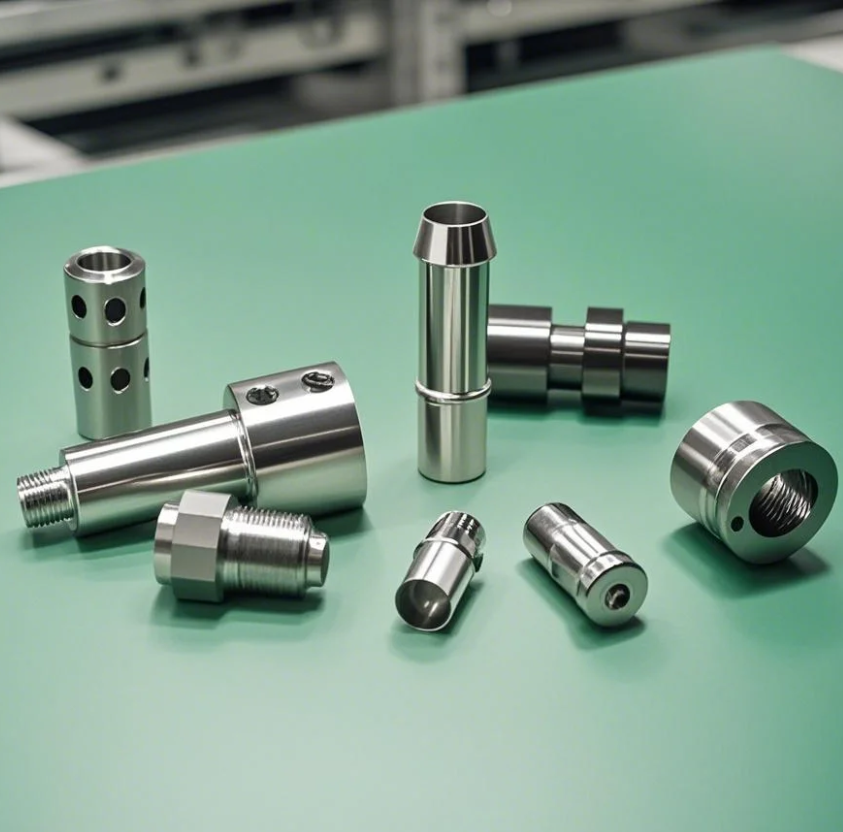
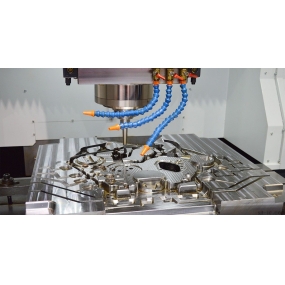
The CNC Titanium Steel Machining Process is widely used in aerospace, medical, automotive, and high-performance engineering industries. Titanium steel is known for its strength, corrosion resistance, and lightweight properties. However, these same advantages also make it difficult to machine.
Many manufacturers face real problems such as fast tool wear, overheating, poor surface finish, and unstable precision. This article explains how to solve these issues in simple terms, focusing on real production challenges and practical solutions.
Why Titanium Steel Is Difficult to Machine
Titanium steel is not like ordinary metals. During cutting, it reacts differently under heat and pressure, which creates several machining challenges:
- High cutting temperature during processing
- Strong chemical reaction with cutting tools
- Low thermal conductivity (heat stays in the cutting zone)
- Tool wear happens faster than normal steel machining
Because of these factors, a well-controlled CNC Titanium Steel Machining Process is essential to achieve stable quality and cost efficiency.
Steps Involved in CNC Machining of Titanium Steel
Understanding the steps involved in CNC machining of titanium steel helps reduce errors and improve productivity.
- Material Preparation: Select high-quality titanium alloy and inspect for internal defects.
- Programming: Use CNC software to design tool paths with optimized cutting strategy.
- Rough Machining: Remove excess material with controlled speed to avoid heat buildup.
- Semi-Finishing: Improve shape accuracy while keeping tool load stable.
- Finishing: Achieve final precision and surface quality with low cutting force.
Each step must be carefully controlled to ensure consistent performance and avoid machining failure.
Tooling Requirements for CNC Titanium Steel Machining
One of the most important factors in the tooling requirements for CNC titanium steel machining is selecting the right cutting tools.
- Use carbide tools with high heat resistance
- Apply coated tools (TiAlN or AlTiN) to reduce friction
- Keep cutting edges sharp to minimize cutting force
- Avoid tool overhang to improve rigidity
Poor tooling choices often lead to rapid wear, poor surface finish, and unstable production costs.
Heat Management During CNC Titanium Steel Machining
Heat is one of the biggest challenges in the heat management during CNC titanium steel machining. If not controlled properly, it can damage both tools and workpieces.
Effective methods include:
- High-pressure coolant systems to remove heat quickly
- Optimized cutting speed and feed rate
- Short cutting cycles to prevent heat accumulation
- Air or mist cooling for delicate finishing operations
Good heat control not only extends tool life but also improves machining accuracy and surface quality.
Precision Control in CNC Titanium Steel Machining
Maintaining accuracy is critical in the precision control in CNC titanium steel machining, especially for aerospace and medical parts.
Key factors affecting precision include machine rigidity, tool stability, and thermal deformation control.
- Use high-precision CNC machines with low vibration
- Apply real-time monitoring systems for tool wear
- Control environmental temperature in machining workshops
- Perform frequent calibration of CNC equipment
Even small deviations can lead to part failure, so precision management must be strict and continuous.
Post-Processing in CNC Titanium Steel Machining
After machining, the post-processing in CNC titanium steel machining is necessary to ensure final performance and durability.
Common post-processing steps include:
- Deburring to remove sharp edges
- Surface polishing for improved finish
- Heat treatment to enhance mechanical strength
- Cleaning to remove coolant and metal residue
These steps ensure the final product meets strict industrial standards and long-term reliability requirements.
Professional Support for Better Titanium Machining Results
Achieving stable and high-quality results in titanium machining requires experience, advanced equipment, and strict process control.
EMAR specializes in advanced CNC solutions for difficult-to-machine materials such as titanium steel. With strong engineering expertise and modern machining systems, EMAR focuses on improving precision, reducing tool wear, and optimizing production efficiency for global clients.
By combining engineering knowledge with real production experience, EMAR helps manufacturers achieve more stable and cost-effective results in complex CNC Titanium Steel Machining Process applications.
Conclusion
The CNC Titanium Steel Machining Process is challenging but highly manageable with the right approach. By focusing on tooling selection, heat control, precision management, and proper post-processing, manufacturers can significantly improve quality and reduce production risks.
With expert support from experienced suppliers like EMAR, companies can achieve more reliable and efficient titanium machining outcomes in demanding industrial environments.
 English
 » »
» »
 Spanish
 Arabic
 French
 Portuguese
 Belarusian
 Japanese
 Russian
 Malay
Malay Icelandic
 Bulgarian
 Azerbaijani
 Estonian
 Irish
Irish Polish
 Persian
 Boolean
 Danish
 German
 Filipino
 Finnish
 Korean
 Dutch
Dutch Galician
 Catalan
 Czech
Czech Croatian
 Latin
Latin Latvian
 Romanian
 Maltese
 Macedonian
 Norwegian
 Swedish
 Serbian
 Slovak
 Slovenian
 Swahili
 Thai
Thai Turkish
 Welsh
Welsh Urdu
Urdu Ukrainian
 Greek
Greek Hungarian
 Italian
 Yiddish
 Indonesian
 Vietnamese
 Haitian Creole
 Spanish Basque