HTML
CNC Machining Process for New Energy Parts
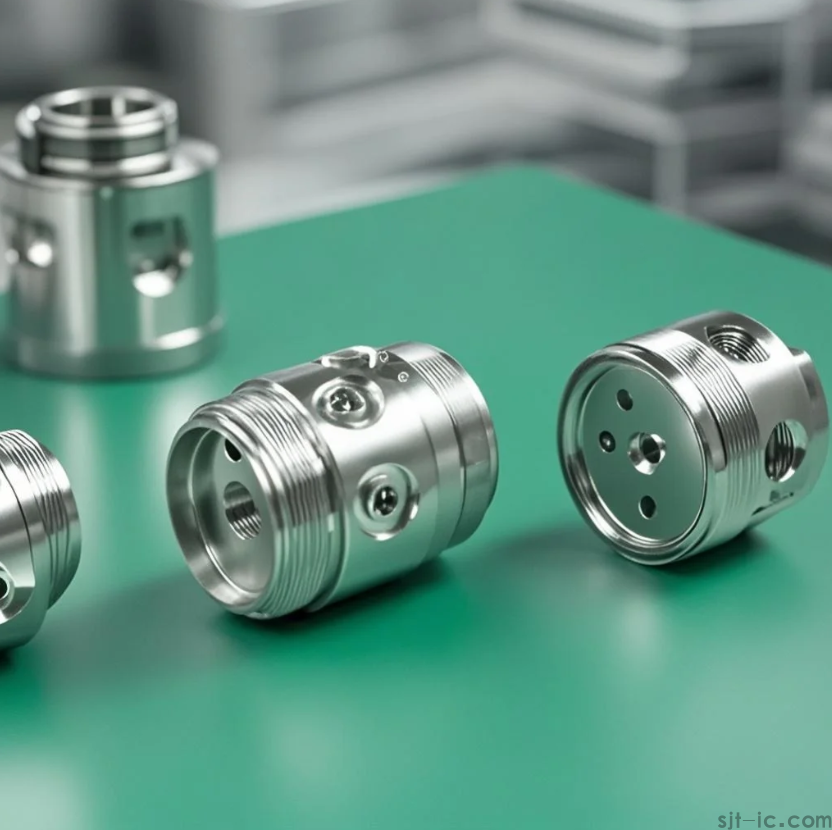
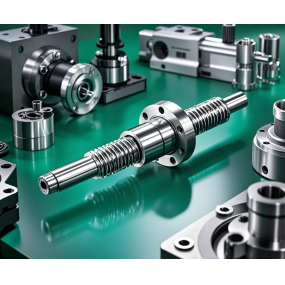
The CNC Machining Process for New Energy Parts plays a critical role in modern industries such as electric vehicles, solar energy systems, wind power equipment, and energy storage devices. As the demand for clean energy grows, manufacturers must produce highly precise, durable, and reliable components that can perform under strict working conditions.
This article explains the real challenges, key processes, and practical solutions in simple English, helping engineers, buyers, and beginners understand how CNC technology supports new energy manufacturing.
Why CNC Machining Matters in New Energy Manufacturing
New energy parts often work under high temperature, vibration, and continuous load. Even a small machining error can affect safety or efficiency. This is why CNC technology is widely used—it ensures stability, repeatability, and accuracy in every part produced.
The advantages of CNC in new energy part manufacturing include high precision, fast production speed, and the ability to handle complex geometries that traditional machining cannot easily achieve.
Steps in CNC Machining of New Energy Parts
The steps in CNC machining of new energy parts are carefully designed to ensure consistent quality and performance:
- Design and Engineering Review: Engineers analyze CAD drawings and confirm material selection based on performance requirements.
- Programming (CAM): CNC programs are created to define cutting paths and machining strategies.
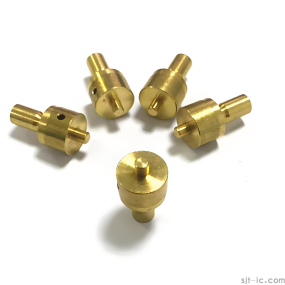
- Material Preparation: Raw materials such as aluminum alloys, copper, or high-strength steel are selected and cut into blanks.
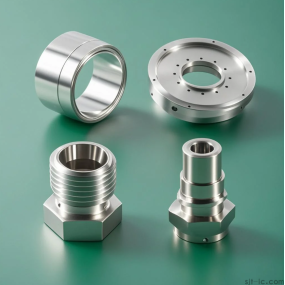
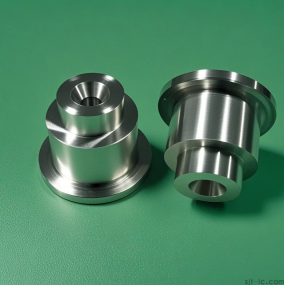
- CNC Machining: Machines perform milling, turning, drilling, and finishing operations with high precision.
- Surface Treatment: Parts may undergo anodizing, coating, or polishing for better durability.
- Inspection and Testing: Final parts are checked to ensure they meet design and performance standards.
Precision Requirements for New Energy Parts CNC Machining
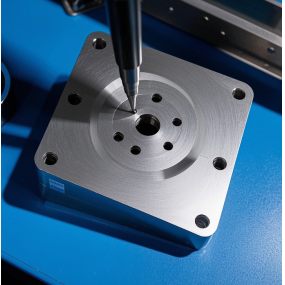
In the precision requirements for new energy part CNC machining, tolerance control is extremely strict. Many components must stay within microns to ensure proper assembly and safe operation.
Common challenges include thermal deformation, tool wear, and material hardness variations. To solve these issues, manufacturers use advanced CNC systems, real-time monitoring, and precision measurement tools such as CMM (Coordinate Measuring Machines).
Tooling in CNC Machining of New Energy Parts
The tooling in CNC machining of new energy parts is a key factor that directly affects efficiency and surface quality. Different materials require different cutting tools:
- Carbide tools for high-strength alloys
- Diamond-coated tools for abrasive materials
- High-speed steel tools for general machining tasks
Proper tool selection reduces wear, improves cutting stability, and helps maintain tight tolerances during long production runs.
Quality Control in CNC Machining of New Energy Parts
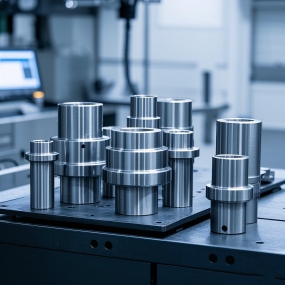
Strong quality control in CNC machining of new energy parts is essential for ensuring safety and performance in real-world applications. Quality control is not only the final inspection but also part of every production step.
Key quality control methods include:
- First article inspection (FAI)
- In-process dimensional monitoring
- Surface roughness testing
- Final full inspection before shipment
These processes help reduce defects, improve consistency, and ensure every part meets strict industry standards.
Challenges in CNC Machining for New Energy Parts
Manufacturers often face challenges such as complex geometries, difficult-to-machine materials, and strict delivery timelines. In addition, new energy systems require lightweight but strong components, which increases machining difficulty.
To overcome these issues, experience and advanced CNC technology are both necessary.
How EMAR Supports High-Precision CNC Machining
EMAR is experienced in providing reliable solutions for the CNC Machining Process for New Energy Parts. With advanced equipment and a skilled engineering team, EMAR focuses on precision, stability, and consistent quality.
From prototype development to mass production, EMAR supports customers in optimizing design, improving manufacturability, and reducing production costs. The company applies strict inspection standards and modern machining strategies to ensure every component meets the demands of new energy applications.
Conclusion
The CNC Machining Process for New Energy Parts is essential for building safe, efficient, and high-performance energy systems. By understanding the steps, precision requirements, tooling choices, and quality control methods, manufacturers can significantly improve product reliability.
With strong technical capability and industry experience, EMAR continues to support the growing new energy sector with high-quality CNC machining solutions.
 English
 » »
» »
 Spanish
 Arabic
 French
 Portuguese
 Belarusian
 Japanese
 Russian
 Malay
Malay Icelandic
 Bulgarian
 Azerbaijani
 Estonian
 Irish
Irish Polish
 Persian
 Boolean
 Danish
 German
 Filipino
 Finnish
 Korean
 Dutch
Dutch Galician
 Catalan
 Czech
Czech Croatian
 Latin
Latin Latvian
 Romanian
 Maltese
 Macedonian
 Norwegian
 Swedish
 Serbian
 Slovak
 Slovenian
 Swahili
 Thai
Thai Turkish
 Welsh
Welsh Urdu
Urdu Ukrainian
 Greek
Greek Hungarian
 Italian
 Yiddish
 Indonesian
 Vietnamese
 Haitian Creole
 Spanish Basque