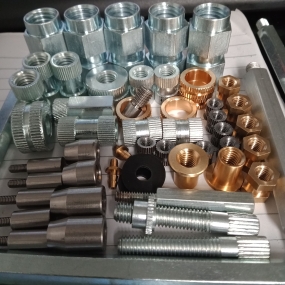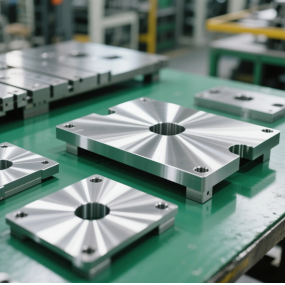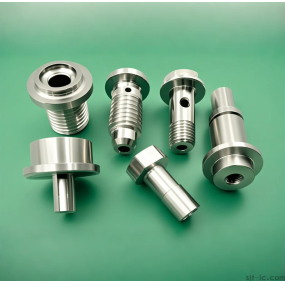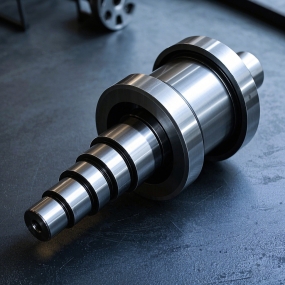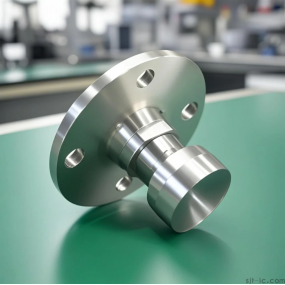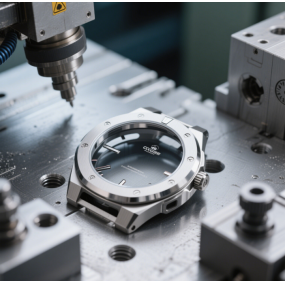

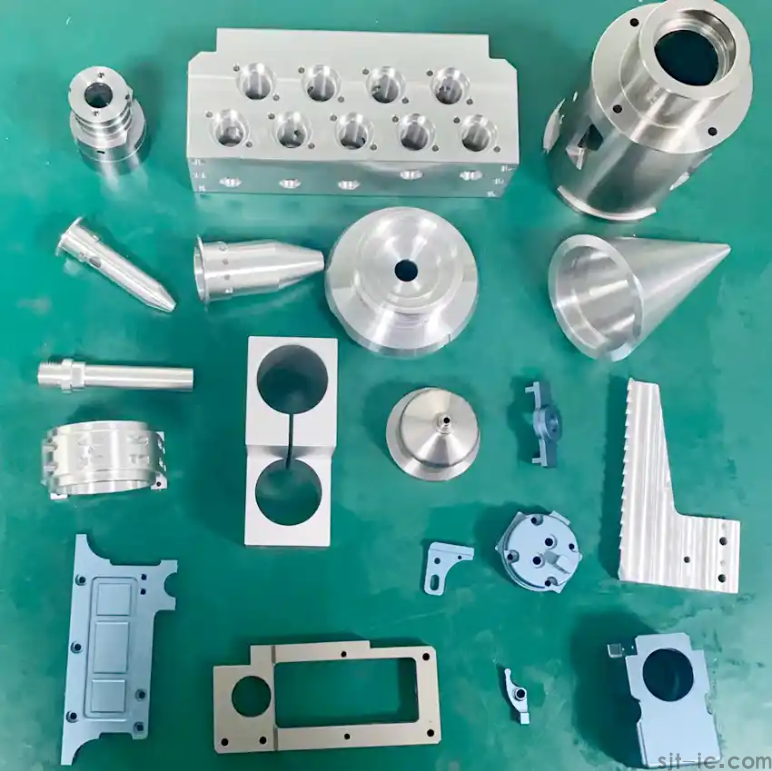
CNC Small Aluminum Parts Machining is widely used in modern industries where accuracy, lightweight structure, and fast production are required. Many manufacturers struggle with tight tolerances, surface finish issues, and unstable machining results when producing small aluminum components. This article explains key challenges, solutions, and real-world applications in simple terms.
One of the main reasons industries choose aluminum is its excellent balance between strength and weight. Understanding the advantages of aluminum for small part machining helps explain why it is so popular in electronics, automotive, and medical products.
These properties make aluminum a cost-effective material for high-volume and precision-driven manufacturing.
Although aluminum is easy to machine, small parts introduce special difficulties. The precision challenges in CNC small aluminum parts machining often come from tool vibration, heat control, and material deformation.
To solve these problems, manufacturers must use stable machines, optimized cutting paths, and experienced engineering control.
Selecting the right tools is critical for stable production. The tooling suitable for CNC small aluminum parts machining directly affects accuracy, surface quality, and production efficiency.
Proper tooling selection helps reduce scrap rates and improves consistency in mass production.
Reliable production depends on strict inspection systems. Quality control in CNC small aluminum parts machining ensures every part meets design requirements and functional standards.
These steps help reduce defects and ensure stable product performance in real applications.
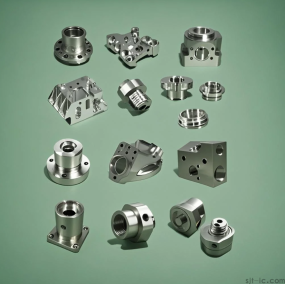
The applications of small aluminum parts machined by CNC are very wide across multiple industries. Their lightweight and precise structure makes them essential in modern engineering.
These applications require stable performance, repeatable precision, and reliable material quality.
In the field of CNC Small Aluminum Parts Machining, experience and process control are essential. EMAR focuses on delivering stable and high-quality machining solutions for global customers. With advanced CNC equipment and strict engineering standards, EMAR helps reduce common production risks such as tolerance deviation and surface defects.
By combining technical expertise with quality-driven production systems, EMAR supports industries that require consistent small aluminum components, from prototypes to large-scale manufacturing.
CNC Small Aluminum Parts Machining requires careful attention to material behavior, tooling selection, precision control, and inspection methods. By understanding key challenges and applying proper engineering solutions, manufacturers can achieve high accuracy and stable production.
With strong process knowledge and manufacturing capability, companies like EMAR continue to support industries that depend on reliable and precise small aluminum parts.