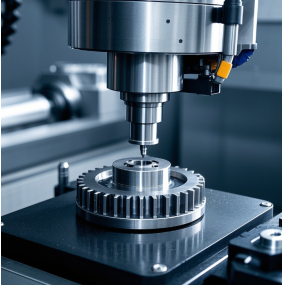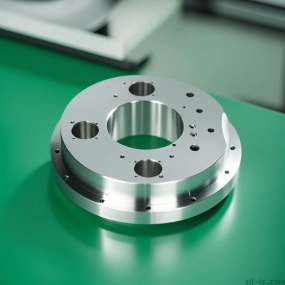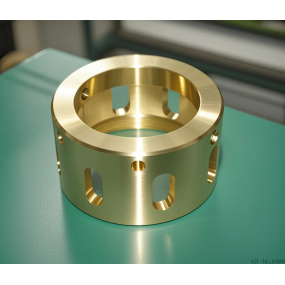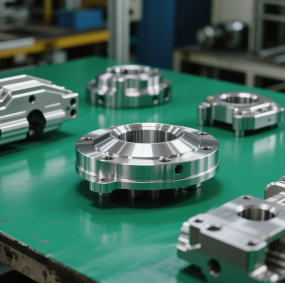
A reliable CNC Machining Nuts Factory plays an important role in producing high-quality nuts for industries such as automotive, aerospace, electronics, machinery, and industrial equipment. Many buyers face common challenges when choosing a nut manufacturer, including unstable dimensions, poor thread quality, long delivery times, and limited customization ability.
A professional CNC machining nuts factory should provide accurate production, efficient manufacturing, flexible customization, and strict quality control. Understanding the complete manufacturing process and inspection methods can help customers select the right supplier and avoid costly production problems.
A good CNC machining nuts factory is not only a place with CNC machines. It needs advanced production technology, experienced engineers, and a complete quality management system to ensure every nut meets customer requirements.
EMAR provides professional CNC machining services with experience in producing precision metal components. The company supports customized nut manufacturing with attention to accuracy, efficiency, and customer requirements.
The advantages of CNC machining in nuts production include better accuracy, repeatability, and production flexibility compared with traditional manual machining methods.
CNC machining allows manufacturers to produce complex nut designs with consistent quality. The computer-controlled process can maintain stable dimensions during long production runs, reducing waste and improving product reliability.
For customers who need special nuts with unique dimensions or materials, CNC machining provides more flexibility. Manufacturers can quickly adjust machining programs to create different designs without rebuilding the entire production process.
Compared with traditional methods, CNC production also improves efficiency because one machine can complete multiple operations, including cutting, drilling, threading, and finishing. This reduces handling time and helps shorten delivery cycles.
The material selection for nuts in CNC factories directly affects strength, corrosion resistance, durability, machining difficulty, and final cost. Different applications require different materials.
Choosing the correct material helps prevent problems such as premature wear, thread damage, or insufficient mechanical strength. A skilled CNC machining nuts factory can recommend the best material based on operating conditions, load requirements, and budget.
The production process of CNC machined nuts includes several important steps. Each stage requires careful control to ensure the final product meets technical requirements.
The process begins with selecting suitable raw materials, usually metal bars, rods, or blanks. The factory checks material specifications, hardness, and quality before production begins.
Proper material preparation reduces defects and ensures stable machining performance. Material certificates may also be provided for industries requiring traceability.
Depending on production requirements, nuts can be produced through CNC cutting or cold heading processes.
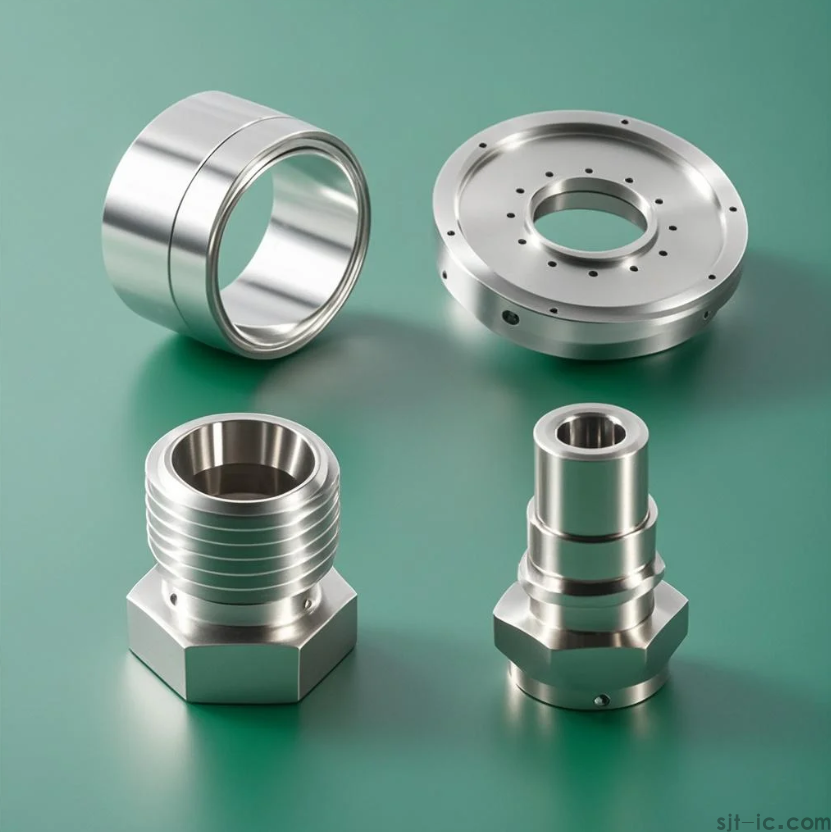
Many standard nuts require a hexagonal outer shape for easy tightening with tools. The factory forms the hex shape through machining or metal forming processes.
Accurate hex dimensions are important because incorrect sizes may cause tool slipping or installation problems.
The threading process in CNC nuts production is one of the most important steps because threads determine how securely the nut connects with bolts.
The factory first creates the internal hole and then machines the required thread size and pitch. CNC-controlled threading ensures consistent thread accuracy and reduces the risk of loose connections.
After machining, sharp edges and small metal residues must be removed through deburring. This improves safety, appearance, and assembly performance.
The surface finishing of nuts in CNC machining factories can include polishing, anodizing, plating, coating, or heat treatment depending on application requirements.
The quality control in CNC nuts machining process determines whether the final products can perform safely and consistently. A professional factory should inspect products throughout the entire manufacturing process, not only at the end.
Precision measurement tools such as calipers, micrometers, and coordinate measuring machines (CMM) are used to check nut dimensions. Important measurements include outer diameter, height, hole size, and hex width.
Strict dimensional control ensures that nuts fit correctly with matching bolts and mechanical assemblies.
Thread quality directly affects connection strength. Inspectors use thread gauges and measurement equipment to verify thread accuracy, smoothness, and compatibility.
Poor thread quality can cause assembly failure, vibration problems, or safety risks, so thread inspection is a critical quality step.
Depending on application requirements, factories may test hardness, tensile strength, and material properties. These tests confirm that nuts can withstand expected loads.
Surface inspection checks for scratches, cracks, burrs, and finishing defects. A high-quality surface improves product appearance and long-term performance.
Before selecting a supplier, customers should consider several important factors:
A dependable CNC machining nuts factory should provide not only manufacturing capability but also engineering support from design review to final inspection.
A professional CNC Machining Nuts Factory combines precision machining technology, efficient production methods, flexible customization, and strict quality control. From material preparation and forming to threading and surface finishing, every step affects the performance of the final nut.
For companies looking for reliable CNC nut manufacturing, working with an experienced supplier can reduce production risks and improve product quality. EMAR offers customized CNC machining solutions with expertise in precision component manufacturing, helping customers achieve accurate, durable, and cost-effective nut products for different industries.