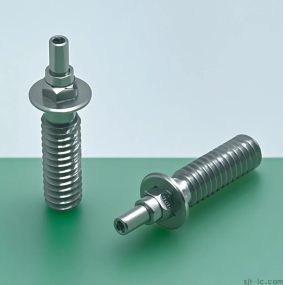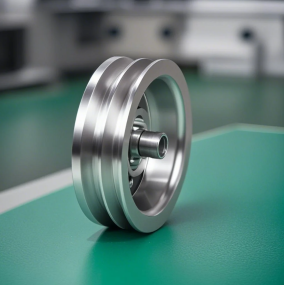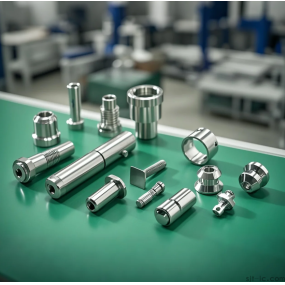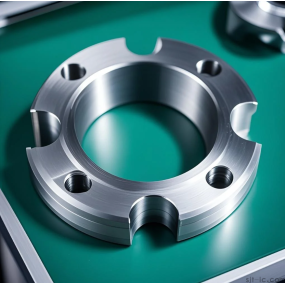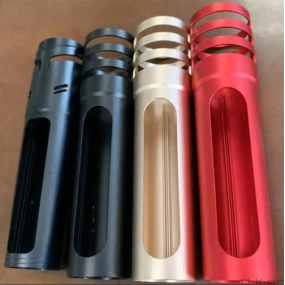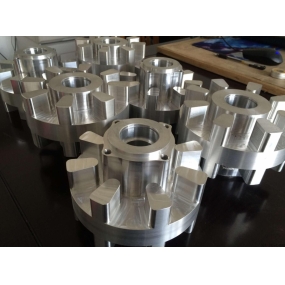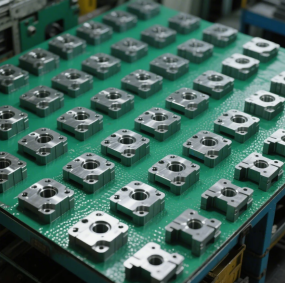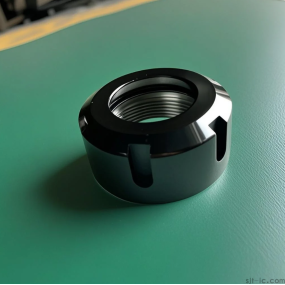


Shaft components are widely used in machines, vehicles, industrial equipment, and automation systems. They must have high strength, accurate dimensions, and reliable performance because they often transfer power or support rotating parts. CNC Machining of Shaft Components is a common manufacturing method that helps produce shafts with high precision and consistent quality.
For companies looking for custom shaft solutions, understanding the machining process, tool selection, inspection methods, and cost factors is important. A reliable CNC machining partner can help avoid production problems and improve the service life of shaft components.
CNC machining of shaft components uses computer-controlled machines to remove material from metal bars or other materials and create precise shaft shapes. CNC lathes, turning centers, and machining centers follow programmed instructions to complete operations such as turning, drilling, threading, grooving, and surface finishing.
Compared with traditional machining methods, CNC machining provides better repeatability and accuracy. It is suitable for producing simple shafts as well as complex shaft designs with special features, tight tolerances, and custom requirements.
Industries that commonly use CNC-machined shafts include:
A professional machining process involves several important steps. Each stage affects the final performance and quality of the shaft.
The process starts with reviewing the shaft drawing, 3D model, material requirements, tolerance specifications, and application conditions. Engineers analyze the design to select suitable machining methods and prevent possible production issues.
During this stage, manufacturers consider factors such as shaft diameter, length, surface finish, keyways, threads, and heat treatment requirements.
The raw material is selected based on strength, wear resistance, corrosion resistance, and operating environment. Proper material selection directly influences shaft performance and machining efficiency.
Material selection for shaft components in CNC machining usually includes options such as:
Most shaft components begin with CNC turning. The machine rotates the workpiece while cutting tools remove material to create the required diameter and shape.
Additional operations may include:
Some shaft components require additional treatments to improve hardness, reduce friction, or increase corrosion resistance. Common finishing processes include grinding, coating, heat treatment, and polishing.
Tool selection has a direct effect on machining speed, surface quality, and production cost. Using unsuitable tools can lead to vibration, poor surface finish, or shorter tool life.
Important factors for tool selection include:
Experienced CNC manufacturers combine suitable cutting tools, machining parameters, and inspection methods to achieve stable production results.
Shaft components often work with bearings, gears, motors, and other moving parts. Even small dimensional errors can cause vibration, noise, or early equipment failure.
Precision requirements in CNC machining of shaft components usually involve:
To achieve these requirements, manufacturers use precision measuring equipment such as micrometers, coordinate measuring machines (CMM), and surface testers. Regular inspection during production helps detect problems before final delivery.
Shaft machining may seem simple, but producing high-quality shafts requires careful control. Many manufacturers face challenges during production.
Long and thin shafts can easily vibrate during machining. This may reduce surface quality and affect accuracy. Proper fixture design, cutting parameter adjustment, and support equipment help solve this issue.
Some materials are difficult to machine because they generate high cutting temperatures or cause faster tool wear. Choosing the correct tools and machining methods helps maintain efficiency.
Maintaining consistent dimensions in large production runs requires advanced CNC equipment, skilled operators, and strict inspection procedures.
These issues represent some of the common challenges in CNC machining shaft components. Working with an experienced supplier can reduce production risks and improve final product reliability.
Quality control is essential because shaft components directly affect machine safety and performance. A professional CNC machining provider should have a complete inspection system.
Common quality control steps include:
Reliable manufacturers also follow clear production procedures to ensure every batch meets customer specifications.
The cost of CNC machining depends on several factors. Understanding these factors helps customers make better production decisions.
A good supplier can recommend design improvements and manufacturing methods that balance quality and cost.
Proper maintenance helps extend the working life of CNC-machined shafts. Even a precisely manufactured shaft requires correct use and care.
Maintenance of shaft components post-CNC machining includes:
Good maintenance practices reduce downtime and help machines operate more efficiently.
Choosing the right machining partner is important for businesses that need reliable shaft components. EMAR focuses on providing precision CNC machining solutions with attention to design requirements, production control, and quality management.
EMAR's proficiency in CNC machining of shaft components comes from experience in handling different materials, complex shaft designs, and customized production requirements. The company supports customers through the full process, from manufacturing review and material selection to precision machining and inspection.
With professional equipment, experienced engineers, and strict quality control procedures, EMAR helps customers produce shaft components that meet performance requirements while maintaining cost efficiency.
CNC Machining of Shaft Components is an effective solution for producing accurate, durable, and customized shafts for many industries. Understanding the machining steps, tool selection, precision requirements, quality control methods, and cost factors helps companies choose the right manufacturing approach.
By working with an experienced CNC machining supplier, businesses can reduce production risks, improve product reliability, and achieve better long-term value from their shaft components.