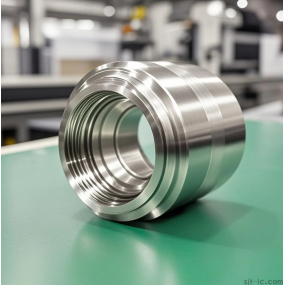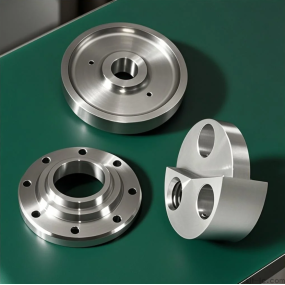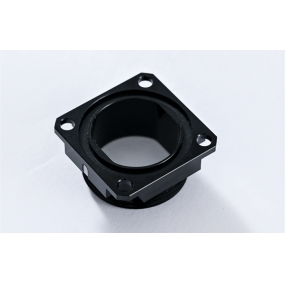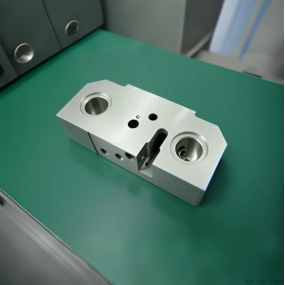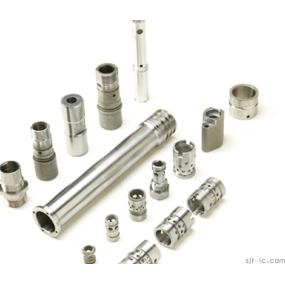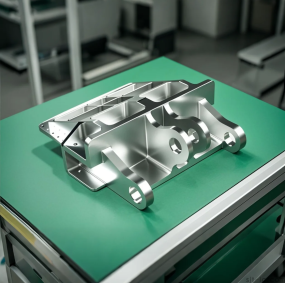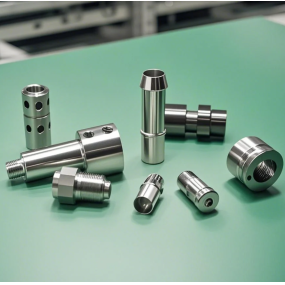

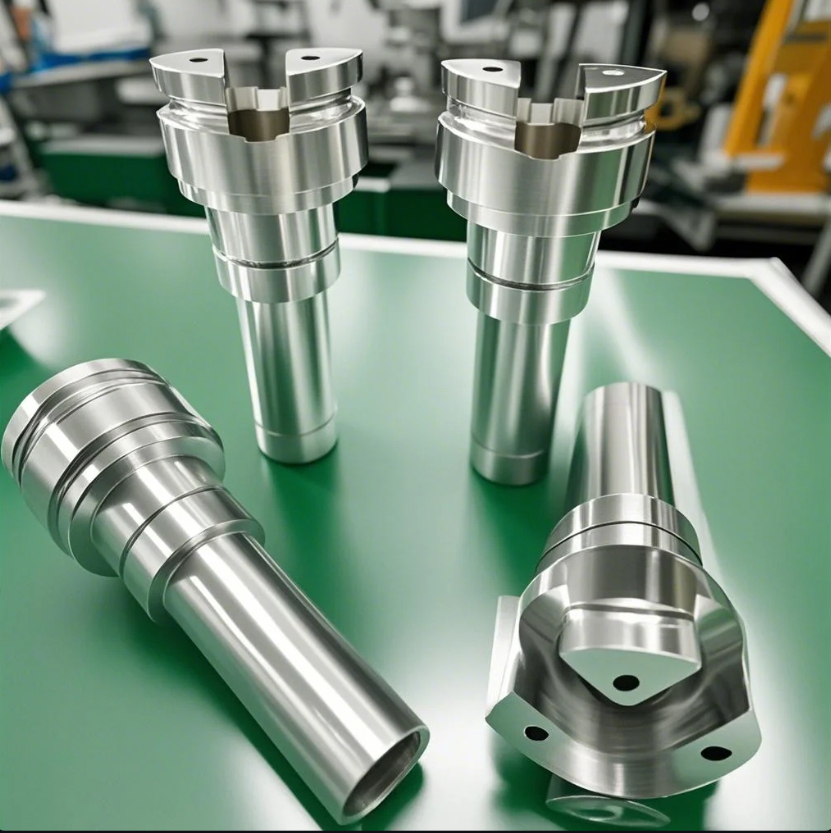
Aluminum CNC Machining Customization Services provide manufacturers with a reliable way to produce accurate, lightweight, and high-performance parts for many industries. From prototypes to large production runs, CNC machining helps companies create aluminum components that match exact design requirements.
Many customers have concerns before choosing a CNC machining partner. They want to know if the parts will meet tight tolerances, whether the cost is reasonable, which aluminum alloy is suitable, and how the customization process works. A professional machining provider can solve these problems through proper material selection, advanced equipment, skilled engineers, and strict quality control.
Aluminum is one of the most widely used materials in CNC machining because it offers an excellent balance between performance, cost, and manufacturability. It is easier to machine than many harder metals while still providing strong mechanical properties.
Because of these advantages, Aluminum CNC Machining Customization Services are widely used for both simple and complex parts that require precision and reliability.
The applications of aluminum CNC customization cover many industries. Each industry has different performance requirements, and customized CNC machining allows manufacturers to create parts that meet specific needs.
Automotive manufacturers use customized aluminum CNC parts for engine components, transmission parts, brackets, suspension components, and lightweight structural parts.
Automotive applications require high dimensional accuracy, strong mechanical performance, and consistent quality. Aluminum CNC machining customization services help produce parts with precise holes, complex shapes, and smooth surfaces while reducing vehicle weight and improving efficiency.
Aerospace components must meet strict requirements for strength, weight reduction, and reliability. Aluminum alloys are commonly used for aircraft brackets, housings, panels, and structural components.
CNC customization allows aerospace manufacturers to produce lightweight parts with complex geometries while maintaining tight tolerances. Advanced machining processes and inspection methods help ensure each component meets demanding aerospace standards.
Electronic products often require aluminum parts such as heat sinks, enclosures, frames, and connectors. These components need accurate dimensions and excellent thermal performance.
Aluminum CNC machining customization services help create thin walls, detailed designs, and smooth finishes that improve product appearance and heat management.
Consumer products such as cameras, smart devices, tools, and high-end equipment often use customized aluminum parts because they need attractive appearance, durability, and lightweight construction.
CNC machining can produce decorative surfaces, precise assembly features, and customized designs that improve both product performance and user experience.
Good design is one of the most important factors in successful CNC machining. The design considerations for aluminum CNC should focus on the part's function, strength requirements, manufacturing difficulty, and connection with other components.
Working closely with an experienced CNC provider helps optimize designs before production begins. Companies such as EMAR provide engineering support and professional Aluminum CNC Machining Customization Services to help customers improve part designs and manufacturing efficiency.
Material selection directly affects part performance, machining difficulty, and cost. Different aluminum alloys are suitable for different applications.
A professional machining provider can recommend the best alloy based on strength requirements, operating conditions, surface treatment needs, and budget limitations.
The machining operations in aluminum CNC customization include several processes that help create precise and complex parts. Each operation requires suitable tools and optimized machining parameters.
CNC milling uses rotating cutting tools to remove material and create complex shapes, slots, pockets, and surfaces.
CNC turning rotates the aluminum workpiece while a cutting tool removes material. It is mainly used for cylindrical parts such as shafts, rings, and bushings.
Drilling creates holes required for fasteners, assembly, and component integration.
Electrical Discharge Machining (EDM) uses electrical sparks to remove material. It is useful for complex shapes and difficult-to-machine areas.
Although aluminum is easy to machine, manufacturers still face challenges when producing high-precision parts.
Temperature changes, machine vibration, and tool wear can affect accuracy. Solutions include regular machine calibration, stable fixtures, optimized cutting conditions, and real-time inspection.
Excessive heat can cause aluminum parts to expand or deform. Proper coolant application, sharp cutting tools, and optimized toolpaths help control heat during machining.
Surface quality depends on tool condition, machining speed, feed rate, and cutting strategy. Using advanced carbide tools and carefully planned finishing passes helps create smooth and consistent surfaces.
The quality control in aluminum CNC machining customization process ensures that every part meets customer specifications. Professional CNC providers use multiple inspection methods throughout production.
Reliable suppliers such as EMAR combine advanced CNC equipment, experienced technicians, and strict inspection procedures to provide stable and high-quality aluminum machining results.
The cost-effectiveness in aluminum CNC customization services depends on balancing quality, production efficiency, and material usage. A professional provider can reduce costs without sacrificing performance through several methods.
Choosing the lowest-cost supplier is not always the best solution. A reliable partner with strong technical capabilities can reduce long-term costs by preventing quality problems and production delays.
Clear communication is essential for successful customization. Customers should provide complete information before production begins.
Professional Aluminum CNC Machining Customization Services providers can use this information to create efficient production plans and deliver parts that meet performance requirements.
Aluminum CNC Machining Customization Services offer an effective solution for producing lightweight, strong, and precise custom parts across many industries. By selecting the right aluminum alloy, applying proper design principles, using advanced machining operations, and maintaining strict quality control, manufacturers can achieve reliable results.
Whether the project involves automotive components, aerospace parts, electronic housings, or consumer products, experienced CNC machining partners can help turn designs into high-quality aluminum components. EMAR focuses on precision manufacturing, engineering support, and customized solutions to help customers achieve efficient and dependable aluminum CNC machining results.