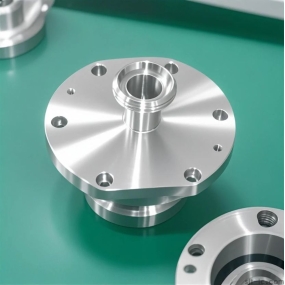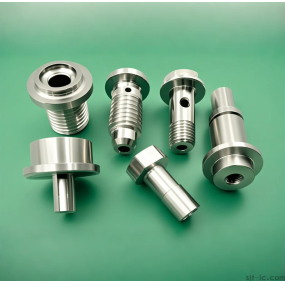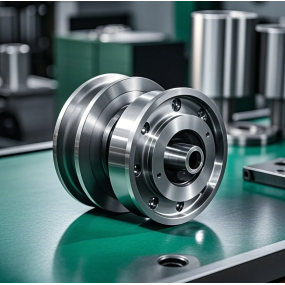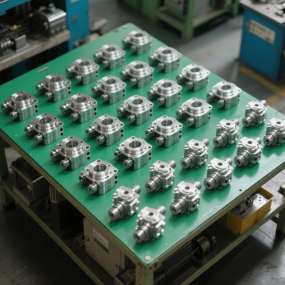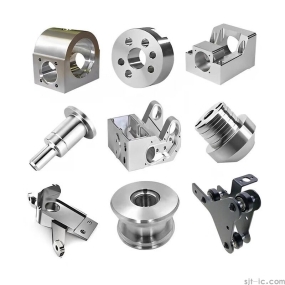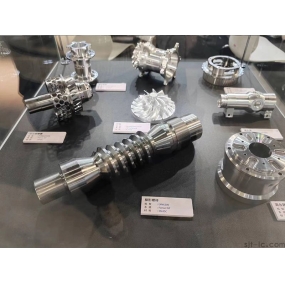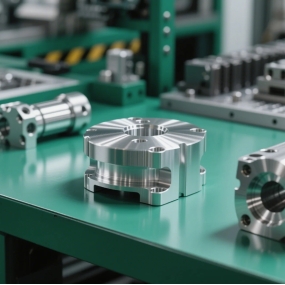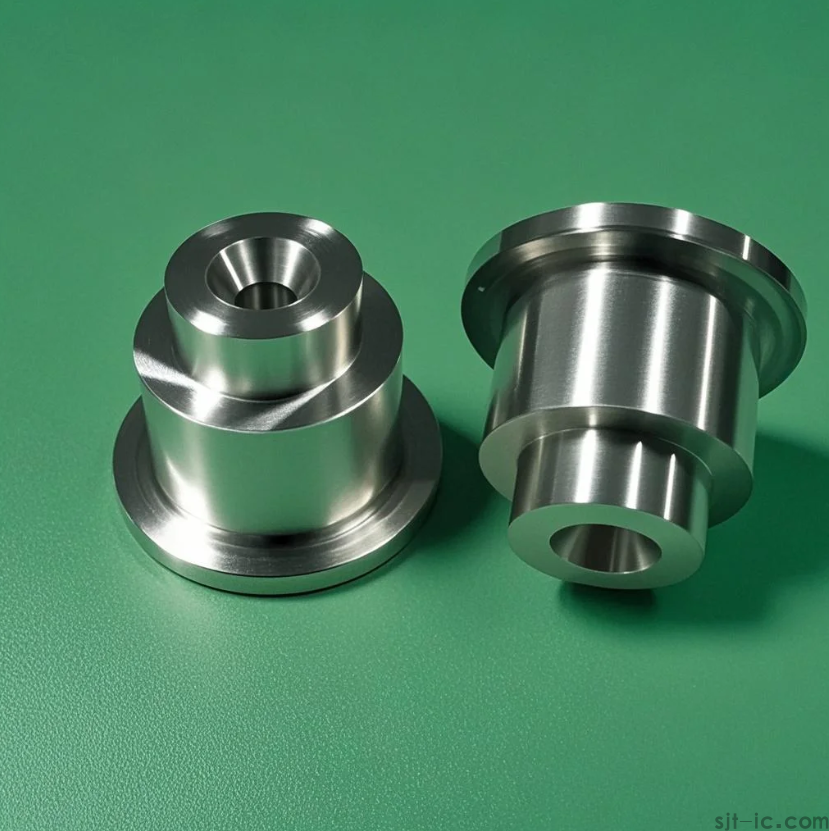
CNC Aluminum Alloy Machining is one of the most widely used manufacturing methods for producing lightweight, strong, and precise metal parts. From electronics to automotive components, aluminum alloys are popular because they are easy to machine and perform well in many environments.
However, many engineers and buyers still face common problems such as surface defects, tool wear, dimensional errors, and unstable production quality. This article explains the real causes behind these issues and how to solve them in simple terms.
Aluminum alloys are widely used in modern manufacturing because they offer a strong balance between weight, strength, and cost. When combined with CNC technology, production becomes more precise and repeatable.
These benefits make advantages of CNC Machining for aluminum alloys especially important for industries that require both performance and efficiency.
Understanding the process helps reduce errors and improve production results. Below are the key steps in CNC aluminum alloy machining process explained in a simple way.
Each step must be controlled carefully to avoid costly mistakes and rework.
Choosing the right tools is one of the most important factors in stable production. Poor tooling can lead to rough surfaces, chip buildup, or even tool breakage.
The tooling selection for CNC aluminum alloy machining usually focuses on:
Good tooling not only improves quality but also reduces production cost in the long run.
Even though aluminum is easier to machine than many metals, problems can still occur. Understanding these issues helps improve consistency in production.
The challenges in machining aluminum alloys with CNC and solutions include:
With proper control, these issues can be greatly reduced or eliminated.
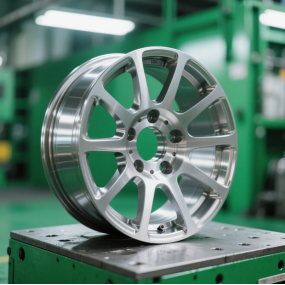
Aluminum parts produced by CNC machining are used in many industries due to their versatility and durability.
Common applications of CNC-machined aluminum alloy parts include:
These applications require high precision, which is why CNC machining is the preferred method.
In real production environments, consistency and reliability matter more than anything else. EMAR focuses on delivering stable and precise manufacturing results for customers who need high-performance aluminum parts.
With experience in complex geometries and strict tolerance control, EMAR helps reduce production risks such as surface defects and dimensional instability. The company also supports material selection, process optimization, and tooling recommendations to improve overall efficiency.
By combining engineering knowledge with practical machining experience, EMAR provides dependable solutions for CNC Aluminum Alloy Machining projects across different industries.
CNC aluminum machining is efficient, precise, and widely used, but it still requires proper process control. By understanding tooling, process steps, and common challenges, manufacturers can significantly improve quality and reduce cost.
Whether you are working on small prototypes or large-scale production, mastering these details will help you achieve more stable and reliable results.