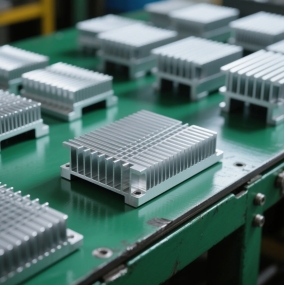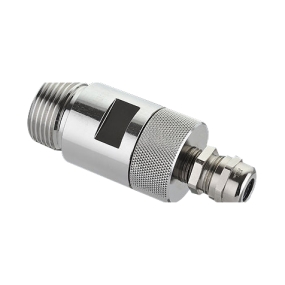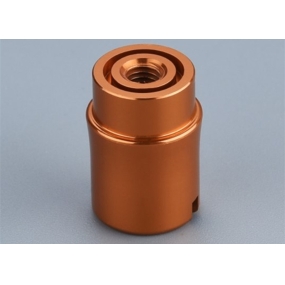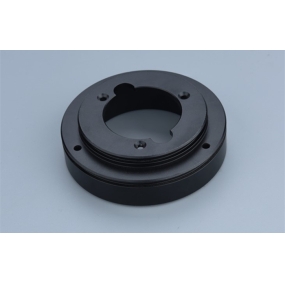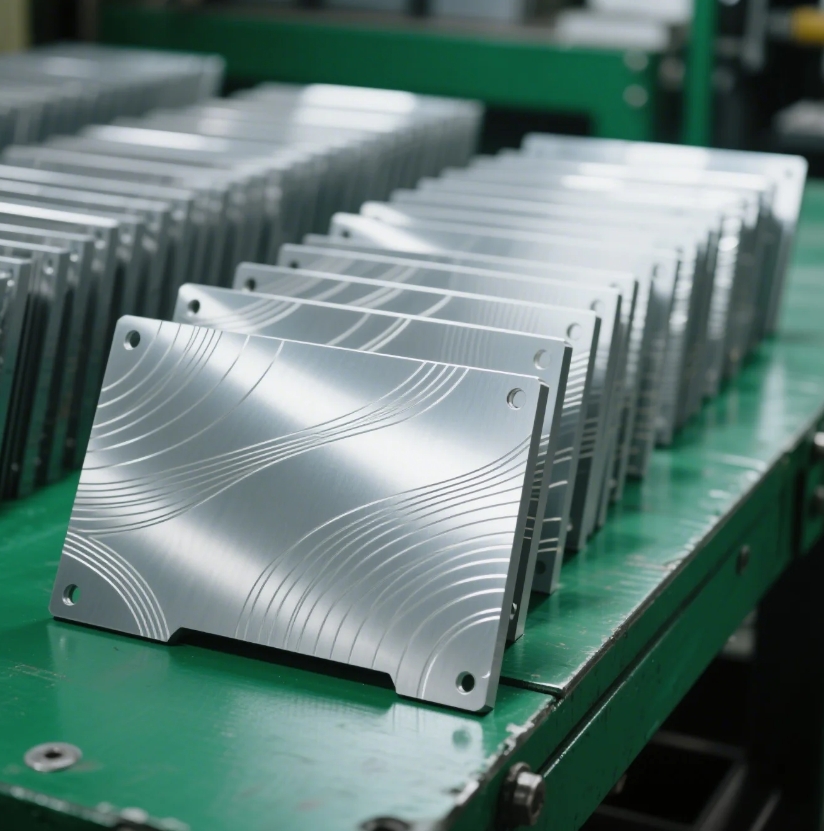
Aluminum plates are widely used in aerospace, electronics, automotive, industrial equipment, and many other applications because they are lightweight, corrosion-resistant, easy to process, and have good thermal conductivity. However, getting high-quality aluminum parts requires choosing the right machining method, controlling heat, maintaining accuracy, and managing production costs.
Understanding CNC Machining Aluminum Plate Methods helps manufacturers and engineers select suitable processes for different designs. Whether the goal is creating a flat surface, cutting pockets, producing accurate holes, or shaping special components, the correct CNC method can improve product performance and reduce manufacturing problems.
Companies such as EMAR provide professional CNC machining solutions for aluminum plates, helping customers handle material selection, machining process planning, precision control, and quality inspection to achieve reliable results.
Aluminum plates often need complex shapes, tight tolerances, and smooth surfaces. Manual machining methods cannot always provide the consistency required for modern manufacturing. CNC machining uses computer-controlled equipment to produce accurate parts repeatedly, making it ideal for aluminum plate production.
The main advantages of CNC machining aluminum plates include:
However, aluminum has unique machining characteristics. It is softer than many metals, creates long chips during cutting, and can deform when exposed to excessive heat or improper clamping. Selecting the right machining process is essential for avoiding these issues.
Milling is one of the most common milling methods for aluminum plates. It uses rotating cutting tools to remove material and create flat surfaces, pockets, grooves, and complex shapes. Milling is suitable for both prototypes and large-volume production because it offers excellent flexibility.
Face milling is commonly used when an aluminum plate requires a flat and smooth surface. During this process, the cutting edges of the milling cutter remove material from the top surface of the plate. The result is a uniform surface that meets strict flatness requirements.
For aluminum plates, carbide-tipped end mills and carbide face mills are widely used because carbide provides high wear resistance and allows higher cutting speeds. Tools with polished flutes or special aluminum-cutting geometries help reduce chip sticking and improve surface quality.
Typical cutting parameters for aluminum face milling include:
The exact parameters should be adjusted based on aluminum grade, machine rigidity, tooling condition, and required surface finish.
Pocket milling is used to create recessed areas, cavities, and weight-reduction features in aluminum plates. It is common in electronic housings, brackets, and mechanical components.
To achieve accurate pocket dimensions, CNC programmers must carefully design toolpaths. Important considerations include:
Proper toolpath programming improves accuracy, extends tool life, and reduces unnecessary machining time.
Drilling aluminum plates is another important CNC process. Aluminum plates often require precise holes for assembly, fastening, and component installation. Poor drilling methods can cause problems such as inaccurate hole size, chip buildup, and poor surface quality.
The most common drill choices for aluminum include:
Drills designed specifically for aluminum often have sharper cutting edges and larger flute spaces. These features help remove chips efficiently and prevent chips from blocking the hole.
Several practices help improve drilling performance:
Proper coolant use is especially important because aluminum chips can stick to cutting tools when temperatures become too high. This can reduce tool life and affect hole accuracy.
Although aluminum plates are usually machined through milling and drilling, some designs require cylindrical features or round components. In these cases, turning aluminum plates in CNC may be suitable when the material can be mounted on a lathe or converted into a rotating workpiece.
CNC turning removes material while the workpiece rotates against a cutting tool. Common turning operations include:
Aluminum turning usually requires sharp cutting tools with positive rake angles. Carbide inserts with polished cutting edges are often preferred because they reduce friction and prevent aluminum from sticking to the tool.
Important machining parameters include:
Handling challenges in aluminum plate CNC is important because aluminum behaves differently from harder metals. Understanding these problems helps manufacturers produce more stable and accurate parts.
Aluminum plates can bend or warp because of cutting forces and heat. Thin plates are especially sensitive.
Solutions include:
Surface defects such as chatter marks, tool lines, and rough finishes can occur because of vibration, incorrect cutting parameters, or unsuitable tools.
Manufacturers can improve surface quality by:
Excessive heat can affect dimensional accuracy and damage surface quality. Using proper cutting speeds, coolant, and sharp tools helps reduce heat generation.
Cost-effectiveness in aluminum plate machining depends on several factors, including material usage, machining time, production volume, and tool expenses.
Key cost factors include:
Manufacturers can improve cost efficiency by:
Experienced CNC machining suppliers like EMAR help customers balance quality and cost by selecting appropriate machining processes, tools, and production strategies.
Quality control ensures that CNC machined aluminum plates meet design requirements and perform reliably in real applications.
During machining, manufacturers check important factors such as:
After machining is completed, final inspections may include:
A complete quality control process helps ensure consistent performance, especially for industries requiring high precision.
The best CNC machining method depends on the part design, material requirements, accuracy level, and production volume. Milling is the preferred choice for most aluminum plate applications, while drilling provides accurate holes and turning is useful for cylindrical features.
By understanding different CNC Machining Aluminum Plate Methods, manufacturers can avoid common problems, improve production efficiency, and achieve better product quality. With professional machining experience, advanced equipment, and strict inspection systems, companies like EMAR can provide reliable aluminum plate CNC machining services for prototypes and large-scale manufacturing projects.