The electric vehicle (EV) industry requires parts that are lightweight, strong, accurate, and reliable. From battery systems to motors and chassis structures, every component must work safely under demanding conditions. The CNC Machining Process for Electric Vehicle Parts provides an effective solution because it can produce complex components with tight tolerances, stable quality, and high production efficiency.
Many EV manufacturers face common challenges when developing new parts. They need to control machining costs, select suitable materials, maintain dimensional accuracy, and ensure that every component meets safety requirements. A professional CNC machining partner can help solve these problems through advanced equipment, engineering experience, and strict quality management.
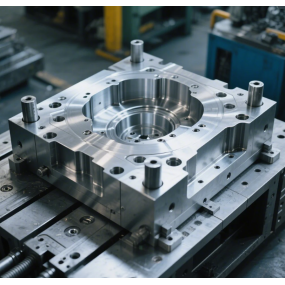
CNC machining is widely used in EV manufacturing because electric vehicle components often require complex designs and high precision. CNC machines use computer-controlled programs to remove material accurately, allowing manufacturers to create parts that match exact engineering requirements.
Companies with experience in precision manufacturing, such as EMAR, provide CNC machining services for EV components by combining modern CNC equipment, engineering support, and quality inspection systems to meet the needs of automotive applications.
Before machining begins, engineers must carefully evaluate the function and working environment of each EV component. Good design planning helps avoid production problems and improves part performance.
The key design considerations for CNC-machined EV parts include:
The correct material choice directly affects EV part strength, weight, heat resistance, and electrical performance. The material selection for EV part CNC machining process depends on the part's location and function.
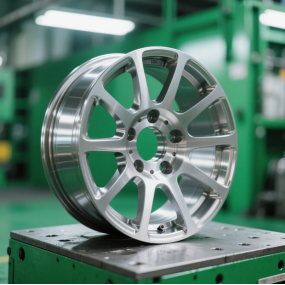
Aluminum alloys are commonly used for EV chassis parts, motor housings, and battery enclosures because they provide excellent strength while reducing vehicle weight. Lower vehicle weight helps improve driving range and energy efficiency.
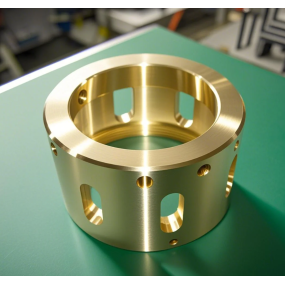
Copper and other conductive materials are used in some electrical components because they provide efficient current transmission. CNC machining can create precise shapes for electrical connections, terminals, and related parts.
Special engineering plastics can be used near battery systems and motors because they offer electrical insulation, chemical resistance, and thermal stability. These materials help protect sensitive electronic components.
Different EV components require different machining methods. Selecting the correct operation improves accuracy, production speed, and surface quality.
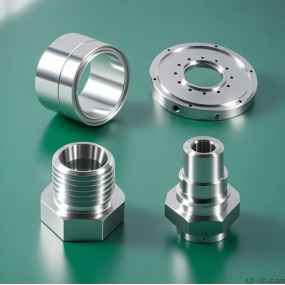
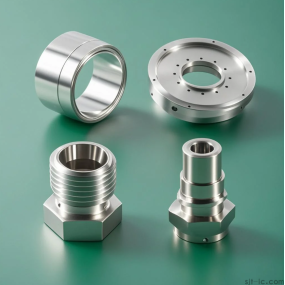
Turning operations in EV part production are mainly used for round components such as shafts, pins, and motor-related parts. During turning, the workpiece rotates while a cutting tool removes material.
Important machining factors include:
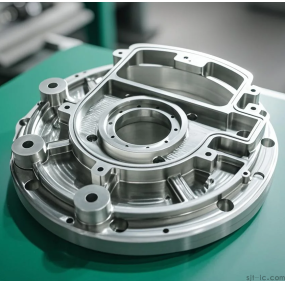
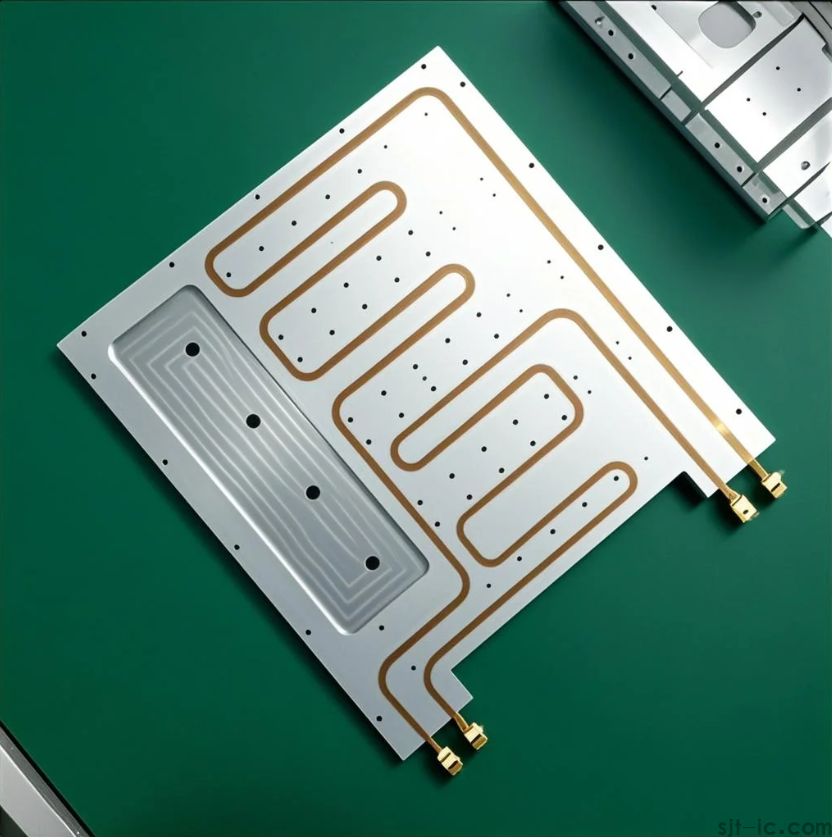
Milling is widely used for battery housings, cooling structures, brackets, and motor parts. Multi-axis milling machines can create complex curves, pockets, and lightweight designs that are difficult to produce with traditional methods.
Precise holes are important for EV assembly. CNC drilling ensures accurate positions for bolts, connectors, and mounting points. Proper tool selection and cutting parameters help prevent damage to the material.
Some EV parts may require additional processes such as precision boring, threading, surface finishing, or five-axis machining. These operations help achieve the accuracy needed for high-performance applications.
EV components often connect with multiple systems, so even small dimensional errors can create assembly problems. Manufacturers must use accurate CNC programming, stable machining processes, and regular measurement checks to maintain consistent dimensions.
Handling burrs in EV part CNC machining is especially important for electrical components. Small metal burrs can damage connections or create risks of electrical short-circuits.
Manufacturers use methods such as:
The rapid growth of EV manufacturing requires suppliers to produce large quantities while maintaining quality. CNC machining systems with automation, efficient programming, and process monitoring can improve production capacity and reduce manufacturing delays.
After CNC machining, additional treatments may be needed to improve durability and performance.
Quality control in EV part CNC manufacturing is essential because EV components directly affect vehicle safety and reliability. A strong inspection system helps identify problems before parts reach final assembly.
Professional CNC manufacturers typically use:
Manufacturers serving the EV industry must follow strict quality standards because failures in battery, motor, or structural parts can affect vehicle safety. Experienced CNC machining companies like EMAR focus on precision control, advanced manufacturing processes, and reliable inspection systems to support EV part production.
The success of an EV project depends not only on part design but also on the machining partner's technical ability. A reliable supplier should have:
The CNC Machining Process for Electric Vehicle Parts combines precision manufacturing, suitable material selection, advanced machining technology, and careful quality management. By choosing an experienced CNC machining manufacturer, EV companies can develop safer, lighter, and more efficient vehicle components while reducing production risks.