CNC Brass Parts Machining: Process, Tools, Quality Control, and Applications
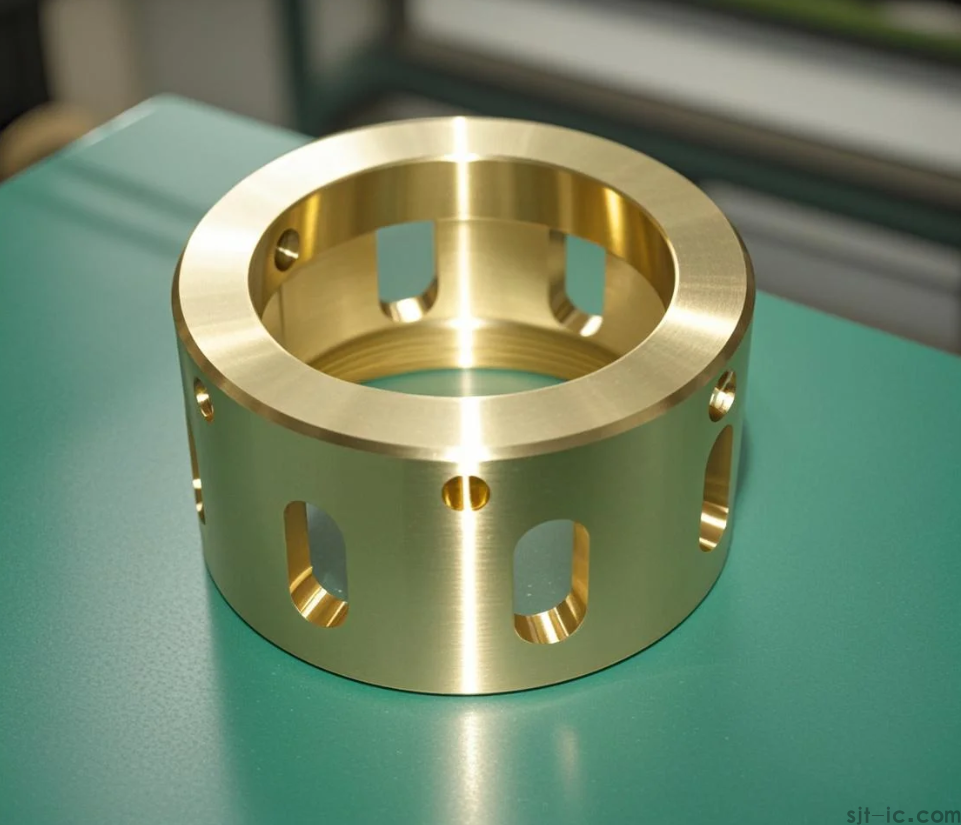
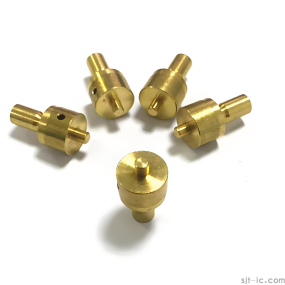
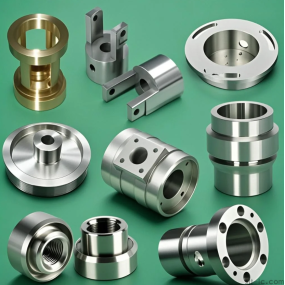
CNC Brass Parts Machining is a widely used manufacturing method for producing accurate, durable, and high-quality brass components. Brass is popular in many industries because it is easy to machine, has good corrosion resistance, and provides excellent electrical and thermal performance. However, many customers still have questions about choosing the right brass material, machining process, tools, and quality inspection methods.
This article explains the key points of CNC brass parts machining, including brass properties for CNC Machining, machining steps, tool selection, quality control methods, and common applications. Understanding these factors helps businesses choose the right machining solution and avoid problems such as poor surface finish, inaccurate dimensions, or unnecessary production costs.
Why Brass Is Suitable for CNC Machining
Brass is an alloy mainly made from copper and zinc. Its balanced mechanical and physical properties make it one of the easiest metals to process with CNC machines. The following brass properties for CNC machining explain why this material is widely used.
- Excellent machinability: Brass produces small and clean chips during cutting, which reduces tool wear and improves machining efficiency.
- Good corrosion resistance: Brass parts can work well in environments with moisture and chemical exposure.
- Good electrical conductivity: Brass is suitable for electrical connectors, terminals, and other conductive components.
- Good thermal conductivity: Brass can transfer heat effectively, making it useful for heat-related applications.
- Good strength and wear resistance: Machined brass parts can maintain stable performance in many industrial applications.
- Attractive surface appearance: Brass has a natural golden color and can achieve a smooth finish after machining and polishing.
Different brass grades have different characteristics. For example, free-machining brass grades are often selected when high production efficiency is required, while stronger brass alloys may be chosen for parts that need higher mechanical performance.
Steps in CNC Brass Parts Machining
The steps in CNC brass parts machining usually include design preparation, material selection, programming, machining, and inspection. A professional process helps ensure stable quality and reduces production risks.
- Reviewing drawings and requirements: Engineers analyze part drawings, dimensions, tolerances, surface finish requirements, and production quantity before machining begins.
- Selecting suitable brass material: The correct brass grade is chosen based on the part's strength, conductivity, corrosion resistance, and working environment.
- CNC programming: Engineers create CNC programs based on the part design. The program controls cutting paths, speeds, and machining operations.
- Material preparation: Brass bars, plates, or blocks are prepared and fixed securely on CNC equipment.
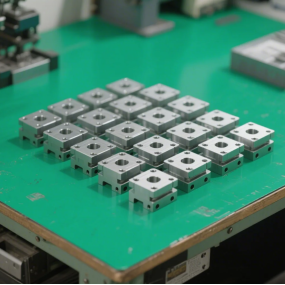
- Machining operations: CNC turning, milling, drilling, threading, and other processes are performed to create the required shape and features.
- Surface finishing: Additional processes such as polishing, deburring, plating, or cleaning may be used to improve appearance and performance.
- Final inspection: Finished parts are checked to confirm that dimensions and quality meet customer requirements.
Companies with experience in CNC machining, such as EMAR, can support customers from design review to final production. Professional machining experience helps reduce manufacturing errors and improves delivery reliability.
Tool Selection for CNC Brass Machining
Proper tool selection for CNC brass machining directly affects machining speed, surface quality, and production cost. Although brass is easy to cut, choosing unsuitable tools can still cause problems such as rough surfaces, tool damage, or inaccurate dimensions.
Common Tools Used for Brass Machining
- Carbide cutting tools: Carbide tools provide high hardness and long service life, making them suitable for continuous production.
- High-speed steel tools: These tools are cost-effective and suitable for many general machining operations.
- Sharp cutting edges: Sharp tools help reduce cutting resistance and improve surface finish.
- Special drills and taps: Proper drilling and threading tools help achieve accurate holes and reliable threaded features.
Cutting speed, feed rate, tool angle, and cooling methods must also be adjusted according to the brass grade and part design. Experienced machinists use these factors to balance machining efficiency and product quality.
Quality Control in CNC Brass Parts Production
Quality control in CNC brass parts production is essential because many brass components are used in industries that require high accuracy and reliability. A strong inspection system helps ensure every part meets customer expectations.
Important Quality Control Methods
- Dimensional inspection: Measuring tools such as calipers, micrometers, and coordinate measuring machines (CMM) are used to check critical dimensions.
- Tolerance verification: Engineers confirm that finished parts meet required tolerance levels.
- Surface finish inspection: Surface roughness is measured to ensure proper appearance and function.
- Material verification: Material certificates and testing methods can confirm that the correct brass alloy is used.
- Visual inspection: Parts are checked for scratches, burrs, cracks, or other surface problems.
Reliable CNC machining suppliers usually apply quality checks throughout the production process, not only at the final stage. EMAR uses professional machining experience and inspection practices to help customers receive consistent CNC brass parts for different industrial needs.
Applications of CNC-Machined Brass Parts
The applications of CNC-machined brass parts cover many industries because brass combines good machinability, strength, and electrical performance.
- Electrical industry: Brass connectors, terminals, contacts, and fittings are widely used because of good conductivity.
- Automotive industry: Brass components can be found in sensors, valves, fittings, and specialized mechanical systems.
- Plumbing and fluid systems: Brass valves, adapters, and connectors are valued for corrosion resistance and durability.
- Industrial equipment: Precision brass bushings, gears, shafts, and machine components are used in many production systems.
- Consumer products: Brass parts are used in decorative hardware, locks, instruments, and premium products requiring a high-quality appearance.
- Medical and laboratory equipment: Precision brass components can be used in equipment that requires stable performance and accurate machining.
How to Choose a Reliable CNC Brass Parts Machining Supplier
Choosing the right supplier is important for achieving consistent quality, reasonable costs, and reliable delivery. Customers should consider several factors before starting a CNC brass machining project.
- Machining experience: A supplier with experience in brass machining can better handle material characteristics and production challenges.
- Advanced equipment: Modern CNC machines improve accuracy, efficiency, and repeatability.
- Quality management: A complete inspection system helps prevent defective parts.
- Engineering support: Professional advice during the design stage can improve manufacturability and reduce costs.
- Production capability: The supplier should be able to support prototypes, small batches, and large-volume production.
EMAR provides CNC machining services with experience in producing precision metal parts, including brass components. By combining CNC technology, skilled engineers, and quality inspection processes, EMAR helps customers develop reliable brass parts for different applications.
Conclusion
CNC Brass Parts Machining offers an efficient solution for producing precise and durable components across many industries. Brass is an excellent machining material because of its machinability, corrosion resistance, conductivity, and attractive appearance.
Understanding material selection, machining steps, tool choices, and quality control methods can help customers achieve better results. Working with an experienced CNC machining partner like EMAR can make the production process smoother, reduce manufacturing risks, and ensure high-quality brass parts that meet specific requirements.