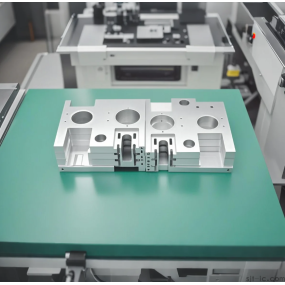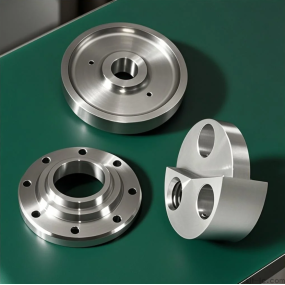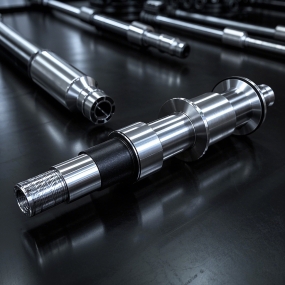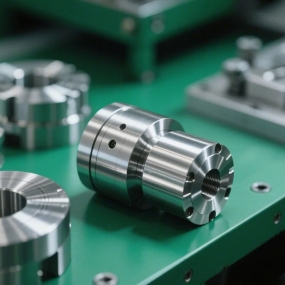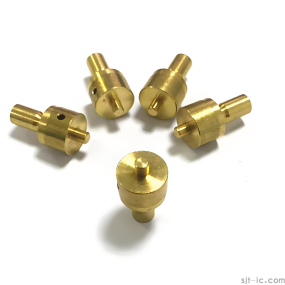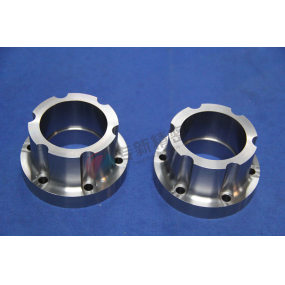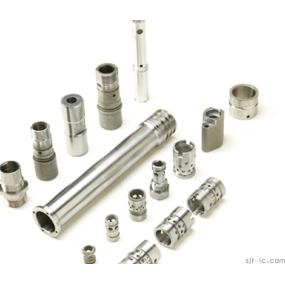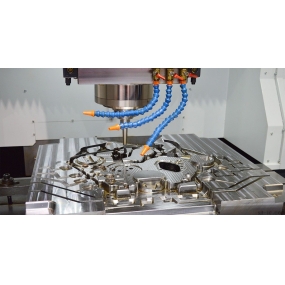

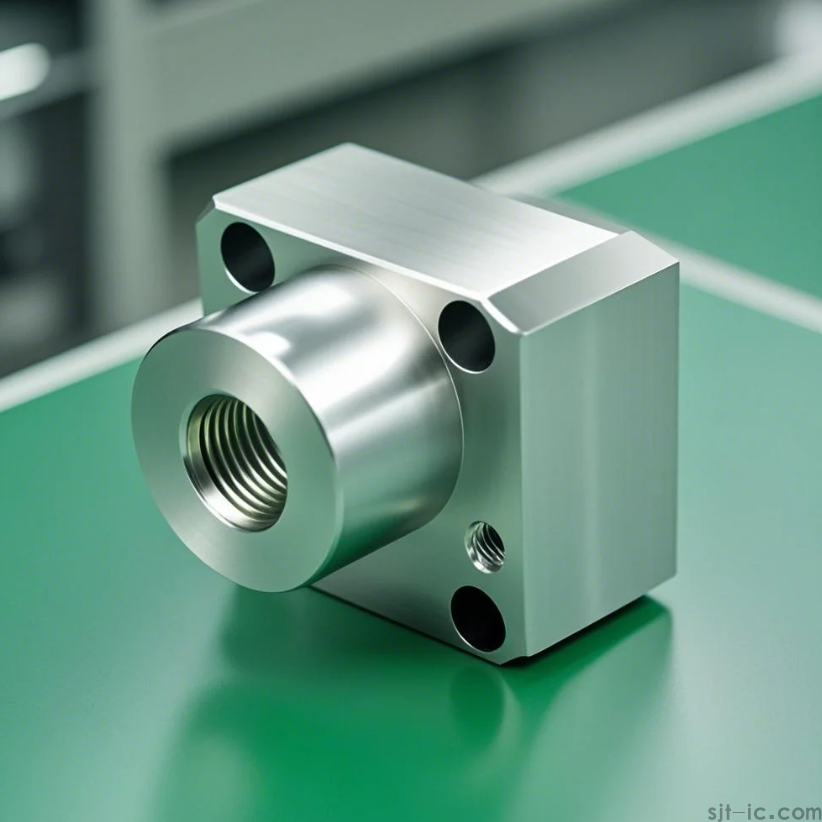
Aluminum CNC machining is one of the most widely used manufacturing methods for producing accurate, lightweight, and durable metal parts. Industries such as aerospace, automotive, electronics, medical equipment, and industrial machinery use aluminum CNC machining because aluminum is easy to process while offering excellent strength and corrosion resistance.
For companies looking for reliable custom aluminum parts, understanding the machining process, material advantages, tooling requirements, quality control methods, and cost factors can help make better production decisions. An experienced CNC machining partner, such as EMAR, can provide professional support from material selection and machining planning to final inspection and delivery.
Aluminum CNC machining is a manufacturing process that uses computer-controlled machines to cut, drill, mill, or turn aluminum materials into precise components. CNC machines follow digital design files, allowing manufacturers to create complex shapes with high accuracy and repeatable results.
Compared with traditional machining methods, CNC machining provides better control over dimensions, surface finishes, and production consistency. It is suitable for both small prototype projects and large-volume production runs.
Understanding the steps in aluminum CNC machining process helps customers prepare better designs and avoid common production problems.
Design and drawing review: Engineers check CAD drawings, dimensions, tolerances, and material requirements. A professional machining team can identify design issues that may affect manufacturing efficiency.
Material selection: The correct aluminum alloy is selected based on strength, weight, corrosion resistance, machining needs, and application requirements.
CNC programming: Engineers create machine instructions based on the 3D model or technical drawings. The program controls cutting paths, speeds, and tool movements.
Machining operation: CNC machines remove material through milling, turning, drilling, or other operations to create the required shape.
Surface treatment and finishing: Additional processes such as anodizing, polishing, or coating may be applied to improve appearance, protection, or performance.
Inspection and delivery: Finished parts are measured and checked before shipment to ensure they meet customer specifications.
Aluminum is a popular choice for CNC machining because it provides a strong balance between performance, weight, and manufacturing cost. The following are key benefits of aluminum in CNC machining:
Excellent machinability: Aluminum is softer than many metals, which allows cutting tools to work efficiently. This can reduce machining time and tool wear.
Lightweight properties: Aluminum parts are much lighter than steel components, making them ideal for industries where reducing weight is important.
Good corrosion resistance: Aluminum naturally forms a protective oxide layer, helping parts resist environmental damage.
Good thermal and electrical conductivity: Aluminum is suitable for heat sinks, electronic housings, and other applications requiring heat management.
Flexible finishing options: Aluminum can be anodized, painted, polished, or coated to achieve different appearances and performance levels.
Different aluminum alloys provide different performance characteristics. Choosing the right material is important for achieving the required results.
6061 aluminum: A common general-purpose alloy with good strength, corrosion resistance, and machinability.
7075 aluminum: A high-strength alloy often used for aerospace and demanding mechanical applications.
5052 aluminum: Known for excellent corrosion resistance and suitable for parts requiring good formability.
2024 aluminum: A strong alloy commonly used in aerospace applications where high strength is required.
Proper tooling selection directly affects machining speed, surface quality, and production costs. The right tooling for aluminum CNC machining helps manufacturers achieve accurate and efficient results.
Important tooling considerations include:
Cutting tool material: Carbide tools are commonly used because they provide good cutting performance and longer service life.
Tool geometry: Tools designed for aluminum usually have sharp cutting edges and suitable flute designs to prevent material buildup.
Cutting speed and feed rate: Aluminum allows higher machining speeds, but incorrect settings can cause poor surface finishes or tool damage.
Coolant and lubrication: Proper cooling helps control heat and improves machining stability.
Experienced manufacturers like EMAR understand how to optimize tooling choices for different aluminum grades and part designs. This helps improve production efficiency while maintaining consistent quality.
High-quality aluminum parts require strict inspection procedures throughout the manufacturing process. Strong quality assurance in aluminum CNC machining reduces errors and ensures that finished components meet customer expectations.
Common quality control methods include:
Incoming material inspection: Aluminum materials are checked to confirm alloy type and material specifications.
In-process inspection: Machining operations are monitored to identify dimensional problems early.
Precision measurement: Tools such as coordinate measuring machines (CMM), calipers, and micrometers are used to verify part dimensions.
Surface inspection: Surface finish, appearance, and possible defects are checked before delivery.
Final inspection reports: Inspection records provide customers with confidence that parts meet technical requirements.
Many customers want high-quality parts while keeping production costs under control. Understanding the cost-related factors in aluminum CNC machining helps businesses plan projects more effectively.
Part complexity: Complex designs require more machining time, additional tools, and more programming work.
Material choice: Different aluminum alloys have different prices and machining characteristics.
Production quantity: Prototype and low-volume production may have higher unit costs, while larger orders can reduce the average cost.
Tolerance requirements: Extremely tight tolerances may require additional inspection and specialized processes.
Surface finishing: Processes such as anodizing or special coatings can add extra costs depending on requirements.
Working with an experienced aluminum CNC machining supplier can help reduce unnecessary costs through better design suggestions, efficient machining strategies, and optimized production planning.
A reliable CNC machining supplier should have strong technical experience, modern equipment, skilled engineers, and effective quality management systems. Before selecting a supplier, customers should consider:
Experience with similar aluminum machining projects.
Ability to handle different aluminum alloys and part sizes.
Clear communication during design and production stages.
Reliable inspection processes and quality documentation.
Competitive pricing without sacrificing quality.
EMAR provides professional aluminum CNC machining services with experience in precision manufacturing, custom part production, and quality management. By combining advanced CNC equipment, engineering knowledge, and strict inspection processes, EMAR helps customers produce reliable aluminum components for various industries.
Aluminum CNC machining offers an effective solution for producing lightweight, accurate, and durable parts. By understanding the machining process, material benefits, tooling requirements, quality control methods, and cost factors, businesses can make better decisions when developing aluminum components.
Choosing a capable manufacturing partner with proven machining expertise can improve product quality, reduce production risks, and create better long-term value for your projects.