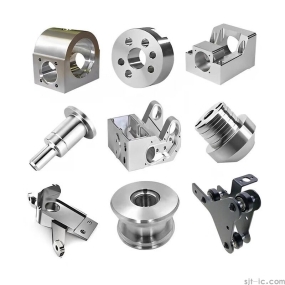
Modern industries need parts with high accuracy, strong performance, and reliable quality. From aerospace components and medical devices to automotive parts and industrial equipment, even a small machining error can affect product safety and performance. Precision CNC Machining Services provide an effective solution by using advanced computer-controlled machines to produce complex parts with strict tolerances and consistent results.
Many customers have concerns before choosing a CNC machining partner. They often ask: How can I control machining costs? Can the supplier achieve the required accuracy? How long will production take? A professional CNC machining provider solves these problems through advanced equipment, skilled engineers, optimized processes, and strict quality management.
Precision CNC machining uses computer programs to control cutting tools and create parts according to digital designs. Unlike traditional machining methods, CNC technology can produce complicated shapes with very high accuracy and repeatability.
The advantages of precision CNC machining services include:
For industries such as aerospace, medical, automotive, and electronics, precision is not optional. High-quality CNC machining helps companies improve product reliability, reduce assembly problems, and shorten development cycles.
A successful machining project starts with detailed communication between the customer and the CNC machining provider. During the design phase, engineers need to understand the part’s purpose, working environment, performance requirements, and production goals.
For example, aerospace components may require lightweight materials and extremely tight tolerances. Medical devices may need corrosion resistance and excellent surface quality. Automotive parts often require durability, strength, and cost-effective production.
Experienced providers like EMAR work closely with customers to review 3D models, drawings, tolerances, and functional requirements before production begins. This customer-focused approach helps identify possible design problems early and improves machining efficiency.
The correct material plays an important role in part performance, machining difficulty, and overall cost. The material selection for precision CNC parts depends on factors such as strength, durability, temperature resistance, corrosion resistance, and budget.
Common CNC machining materials include:
A professional CNC machining team evaluates material properties and machining requirements to select the best option for each application. Proper material selection can improve product life while controlling manufacturing costs.
After design approval and material selection, the machining process begins. A reliable CNC workflow includes several important operations.
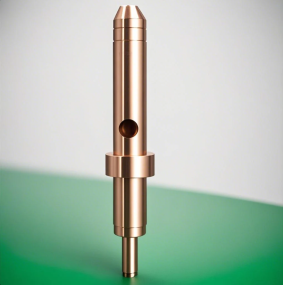
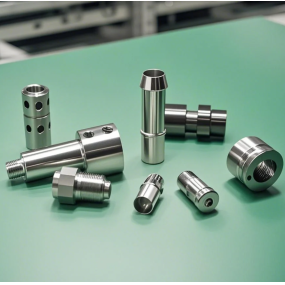
CNC turning uses a rotating workpiece and cutting tools to create cylindrical parts. It is commonly used for shafts, pins, bushings, and other round components. Proper tool selection and cutting conditions help achieve smooth surfaces and accurate dimensions.
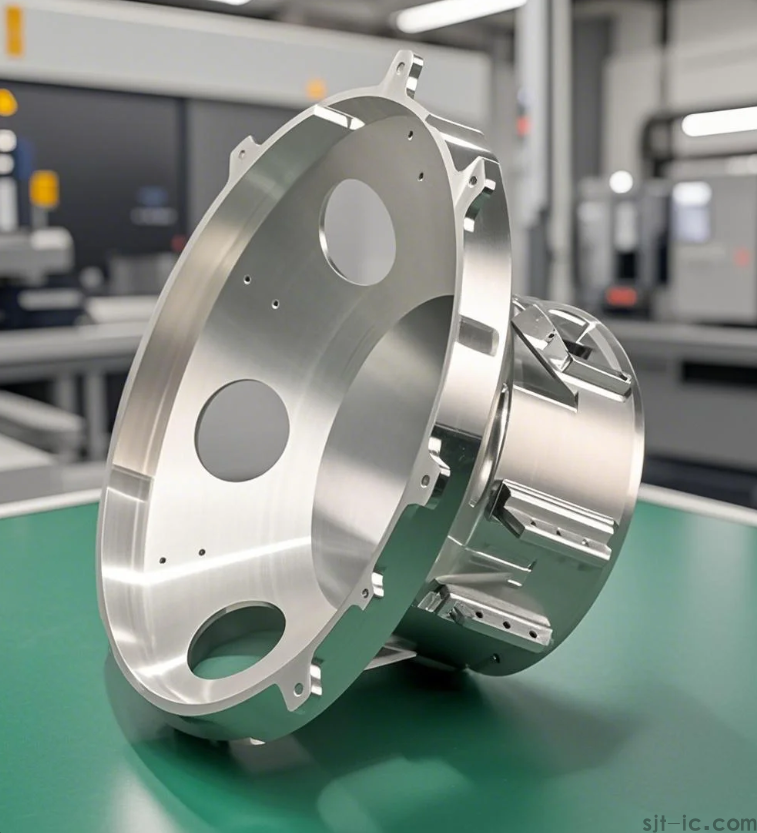
CNC milling uses rotating cutting tools to remove material from a workpiece. It can create complex shapes, slots, pockets, and angled surfaces. Multi-axis CNC machines allow manufacturers to produce advanced geometries with fewer setups.
Precision drilling creates accurate holes for assembly and connection purposes. Engineers select suitable drill sizes, speeds, and feed rates to prevent damage and maintain dimensional accuracy.
Grinding is used when extremely smooth surfaces and tight tolerances are required. It improves surface quality and helps components achieve precise fits.
During machining, engineers optimize cutting parameters, including cutting speed, feed rate, and depth of cut. These settings must match the material, tool type, and required accuracy to achieve stable production.
Precision machining requires careful control because small issues can affect final part quality. Common challenges include machining errors, tool wear, vibration, and tolerance problems.
Manufacturers reduce errors through accurate programming, machine calibration, proper fixture design, and continuous process monitoring. Advanced CNC equipment helps maintain stable machining conditions.
Handling tool wear in precision CNC machining is important for maintaining accuracy and reducing production interruptions. Cutting tools naturally wear over time due to heat and friction. Engineers monitor tool conditions, choose suitable tool materials, and adjust cutting parameters to extend tool life.
Using the correct cutting speed, feed rate, and depth of cut reduces unnecessary stress on tools and improves machining consistency.
Machining is often followed by additional treatments to improve part performance, appearance, and durability. The post-machining processes for precision CNC-machined parts may include:
The correct post-machining process depends on the part’s application. For example, medical components may require smooth and clean surfaces, while industrial parts may need extra wear resistance.
Quality control is one of the most important parts of CNC manufacturing. A reliable supplier must verify every stage of production to ensure parts meet customer requirements.
Quality control in precision CNC machining services usually includes:
EMAR focuses on strict quality control throughout the manufacturing process. With advanced CNC equipment, experienced engineers, and professional inspection methods, EMAR supports customers in achieving reliable and consistent machining results.
Selecting a CNC machining supplier is not only about finding the lowest price. A dependable partner should provide a balance of quality, cost, delivery speed, and engineering support.
Important factors to consider include:
EMAR provides professional Precision CNC Machining Services with a focus on accuracy, efficiency, and customer needs. Through advanced equipment, skilled technical teams, and a complete production process, EMAR helps companies create high-quality CNC parts for demanding industrial applications.
Precision CNC machining is a key manufacturing solution for industries that require accurate, durable, and complex parts. From design collaboration and material selection to machining operations, post-processing, and quality inspection, every step affects the final product performance.
By working with an experienced CNC machining provider, businesses can reduce production risks, control costs, improve lead times, and achieve reliable part quality. Precision CNC Machining Services continue to support innovation across industries by making advanced product designs possible.