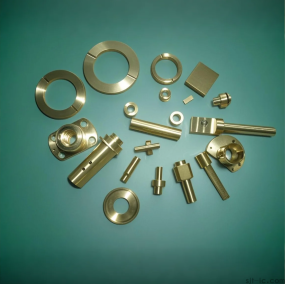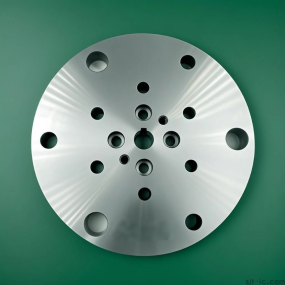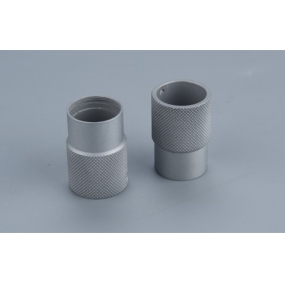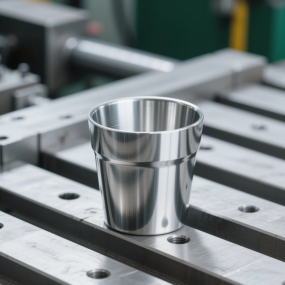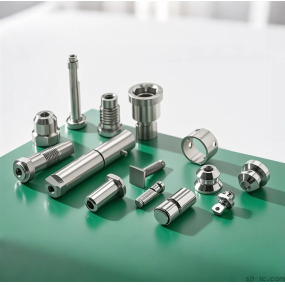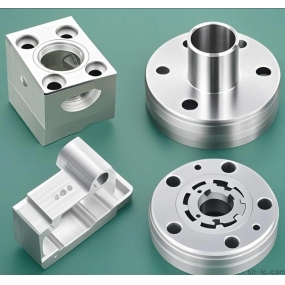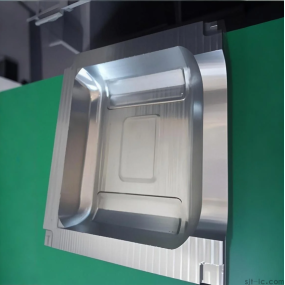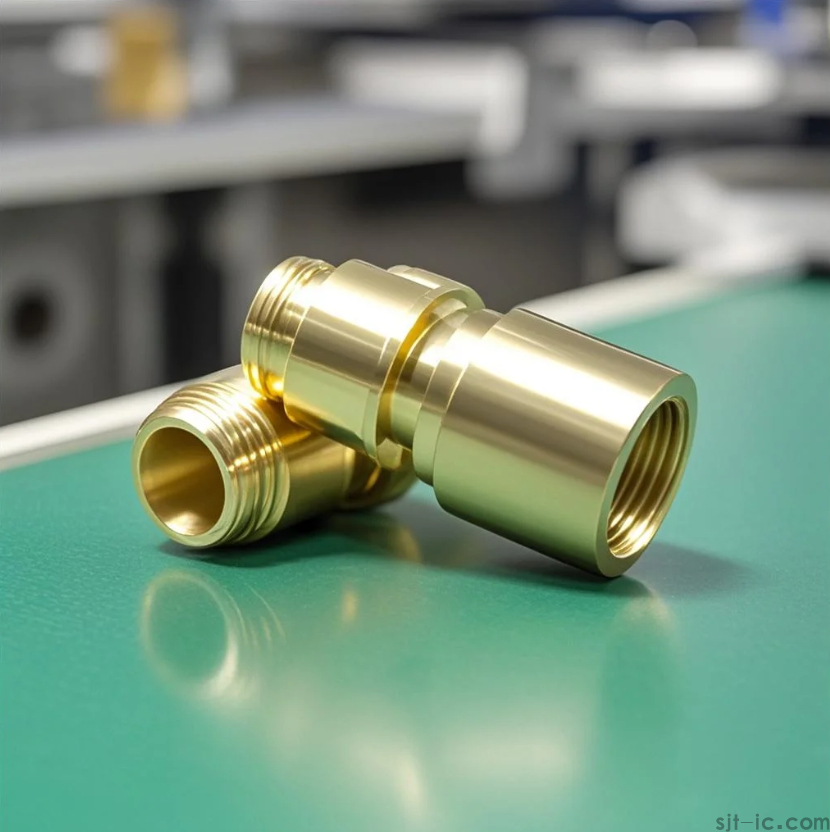
Copper is widely used in electrical, automotive, aerospace, medical, and industrial applications because of its excellent electrical conductivity, thermal performance, and corrosion resistance. However, machining copper is not always easy. Its softness, high thermal conductivity, and tendency to deform can create challenges during manufacturing.
Choosing the right supplier for CNC Machining Copper Parts is important for achieving accurate dimensions, stable performance, and cost-effective production. This guide explains the machining process, material selection, precision requirements, and quality control methods to help engineers and buyers make better decisions.
CNC machining uses computer-controlled machines to remove material from copper blocks, bars, or custom blanks to create precise components. Compared with traditional machining methods, CNC technology offers better repeatability, faster production, and higher accuracy for complex copper parts.
Copper parts are often used in applications where reliability is critical. Common examples include:
For manufacturers, CNC machining provides the flexibility to produce both prototypes and large production runs while maintaining consistent quality.
Understanding the steps in CNC machining copper parts helps customers know what happens from design to final delivery. A professional machining process usually includes the following stages:
The process starts with a CAD drawing or 3D model. Engineers check the design, material requirements, tolerances, and possible machining difficulties before production.
The correct copper grade is selected and prepared according to the part requirements. The material must be clean and suitable for precision machining.
Machinists create CNC programs that control cutting paths, tool movement, cutting speed, and machining sequences.
CNC milling, turning, drilling, and other processes are used to shape the copper material into the required component.
After machining, parts may receive polishing, deburring, or other finishing treatments. Quality inspections confirm that the final parts meet customer specifications.
Selecting the right copper alloy directly affects machining performance, strength, conductivity, and service life. The ideal materials for copper part CNC machining depend on the application requirements.
A reliable CNC machining partner can help select the most suitable copper material based on electrical needs, mechanical strength, environmental conditions, and budget.
Copper machining requires careful control because the material can expand from heat and may deform under excessive cutting forces. Understanding precision levels in copper part CNC machining is essential when ordering high-performance components.
Typical precision factors include:
High-quality CNC machining companies use advanced equipment, proper tooling, and experienced operators to reduce errors and maintain stable production results.
Copper offers many advantages, but manufacturers must handle several machining challenges carefully:
Experienced CNC manufacturers solve these issues by adjusting cutting parameters, selecting suitable tools, and monitoring production conditions.
Strong quality control is necessary to ensure copper components perform correctly in demanding applications. Quality assurance in CNC machining copper parts involves multiple inspection steps throughout the manufacturing process.
A professional quality system may include:
Good quality assurance reduces production risks, prevents assembly problems, and helps customers receive reliable copper components.
EMAR's proficiency in CNC machining copper parts comes from years of experience in precision manufacturing and customized machining solutions. EMAR supports customers with professional engineering guidance, advanced CNC equipment, and strict quality management.
From prototype development to volume production, EMAR focuses on delivering copper parts that meet customer requirements for accuracy, durability, and performance. The company understands the special characteristics of copper materials and applies suitable machining strategies to improve efficiency and product quality.
EMAR's CNC machining capabilities include material selection support, precision machining, inspection processes, and customized solutions for different industries. This allows customers to reduce manufacturing difficulties and achieve dependable results.
Before choosing a supplier, buyers should consider several important factors:
CNC Machining Copper Parts requires a combination of suitable materials, accurate machining methods, skilled engineering, and strict quality control. Understanding the machining process, precision requirements, and inspection standards helps customers choose the right manufacturing partner.
With professional experience, advanced technology, and a focus on quality, EMAR provides reliable CNC machining solutions for copper components used in various industries. Working with an experienced manufacturer can help achieve better performance, lower production risks, and consistent part quality.