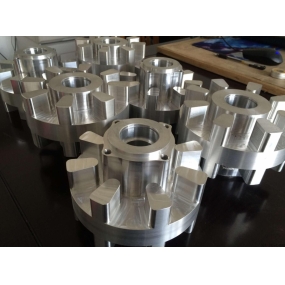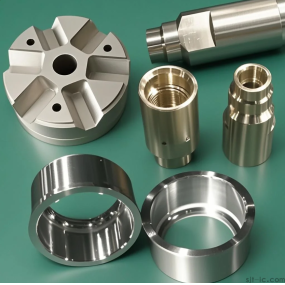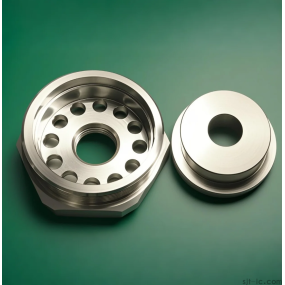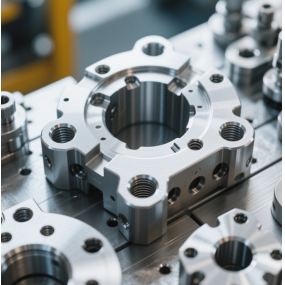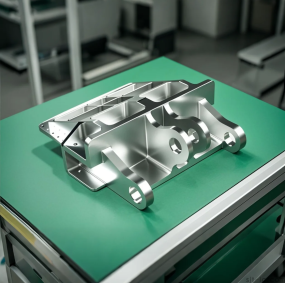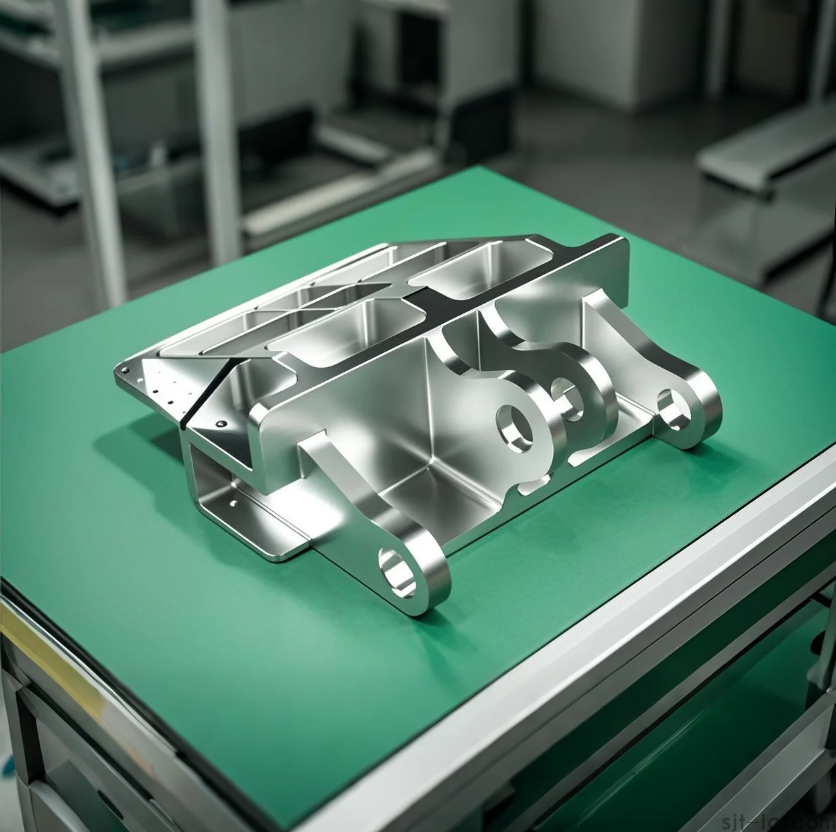
Aircraft parts must meet extremely high standards because even a small manufacturing error can affect flight safety, fuel efficiency, and overall performance. Many manufacturers worry about achieving tight tolerances, choosing the right materials, and meeting strict aviation requirements. CNC Machining Aircraft Parts provides a reliable solution by combining advanced computer-controlled technology, skilled engineering, and strict quality management to produce complex aerospace components with excellent accuracy.
From engine components and structural brackets to landing system parts and flight control components, CNC machining helps aircraft manufacturers create lightweight, strong, and precise parts. Companies like EMAR use advanced CNC machining capabilities and engineering experience to support aerospace projects that require high-quality manufacturing and dependable production processes.
Aircraft components require much higher precision than many other industrial parts. A small deviation in size, shape, or surface finish can affect how components fit together or perform under extreme conditions. CNC machining allows manufacturers to control every cutting movement through programmed instructions, reducing human error and improving repeatability.
The main advantages of CNC machining for aircraft parts include:
For aircraft manufacturers, precision is not only about meeting drawings. It directly influences safety, aerodynamic efficiency, and service life.
Designing aircraft parts for CNC machining requires engineers to consider both aircraft performance and manufacturing requirements. A good design must balance strength, weight, airflow performance, and machining efficiency.
Aircraft parts often interact with airflow, so their shape must support efficient aerodynamic performance. Engineers design smooth surfaces and accurate profiles to reduce air resistance and improve fuel efficiency. CNC machining is ideal for producing these detailed shapes with high accuracy.
Reducing aircraft weight is a major goal in aerospace engineering. Lightweight designs help lower fuel consumption while maintaining structural strength. CNC machining allows engineers to create optimized structures with pockets, thin walls, and complex shapes while keeping the required strength.
Aircraft systems contain thousands of connected parts. During design, engineers must ensure that each CNC-machined component fits correctly with existing assemblies. Accurate dimensions, hole locations, and surface finishes are essential for smooth installation and long-term reliability.
Material selection in aircraft part CNC machining directly affects safety, durability, and performance. Aerospace materials must handle vibration, temperature changes, pressure loads, and repeated stress cycles.
Titanium alloys are widely used in aircraft structures because they offer an excellent strength-to-weight ratio. They provide high strength, corrosion resistance, and good performance in demanding environments. However, titanium generates significant cutting heat and requires careful machining strategies.
Aluminum-lithium alloys are popular for lightweight aircraft applications. They are lighter than traditional aluminum materials while maintaining good strength and fatigue resistance. These materials are often used for structural components where weight savings are important.
Components near aircraft engines experience extremely high temperatures. Heat-resistant alloys such as nickel-based materials are selected because they maintain mechanical properties under severe thermal conditions. Machining these materials requires specialized tools and controlled cutting parameters.
Aircraft parts usually require multiple machining operations to achieve the final shape, accuracy, and surface quality.
CNC turning is commonly used for cylindrical aircraft components such as shafts, bushings, and rotating parts. Cutting tools remove material while the workpiece rotates at controlled speeds.
Important parameters include:
Milling is one of the most important operations for aircraft parts because it can create complex three-dimensional shapes. Multi-axis CNC milling machines can produce aerodynamic surfaces, structural pockets, and detailed features.
Suitable tools include carbide end mills, ball nose cutters, and high-performance aerospace cutting tools. Tool selection depends on material hardness, part geometry, and required surface quality.
Aircraft assemblies require many precise holes for fasteners and connections. CNC drilling ensures accurate hole diameter, position, and alignment. Special drill geometries and optimized speeds help prevent burrs and material damage.
Grinding is used when extremely smooth surfaces and tight dimensional accuracy are required. It is often applied to precision components that must meet strict fitting requirements.
Handling thermal distortion in aircraft part CNC machining is one of the biggest challenges when producing aerospace components. High cutting temperatures can cause material expansion, deformation, and inaccurate dimensions.
Manufacturers reduce these risks through:
Another important challenge is preventing material fatigue. Aircraft parts experience repeated loading during operation, so machining processes must avoid surface damage, micro-cracks, and stress concentration areas.
Maintaining dimensional accuracy within very tight tolerances requires advanced CNC equipment, experienced technicians, and continuous inspection during manufacturing.
After CNC machining, aircraft components often require additional treatments to improve performance and service life.
Heat treatment improves mechanical properties by changing the internal structure of the material. It can increase strength, hardness, and fatigue resistance, especially for aluminum and titanium components.
Aircraft parts must resist corrosion and environmental damage. Surface coatings can improve corrosion resistance, reduce wear, and extend component life.
Non-destructive testing in aircraft part CNC manufacturing allows manufacturers to inspect parts without damaging them. These methods help identify hidden defects before components enter service.
Common inspection methods include:
Quality control in CNC-machined aircraft parts is essential because aerospace components must comply with strict safety regulations. A reliable manufacturer follows detailed inspection procedures from raw material selection to final delivery.
Important quality control practices include:
EMAR focuses on combining precision CNC machining technology with strict quality management to help customers produce reliable aircraft components that meet demanding aerospace requirements.
Selecting the right CNC machining supplier is important for aerospace projects. A qualified partner should have advanced CNC equipment, experienced engineers, strong material knowledge, and a complete quality assurance system.
EMAR provides CNC machining services for complex aerospace components, supporting customers with engineering guidance, precision manufacturing, inspection processes, and reliable production solutions. With careful control of design, materials, machining operations, and testing, CNC machining helps aircraft manufacturers achieve safer, lighter, and more efficient aircraft systems.
For companies looking for dependable aerospace manufacturing solutions, CNC Machining Aircraft Parts offers the precision and reliability needed to meet modern aviation challenges.