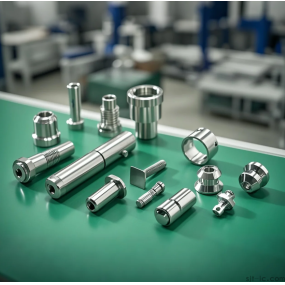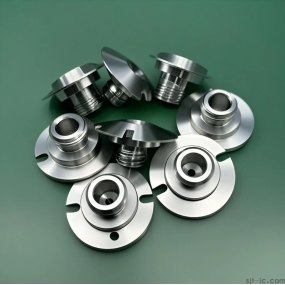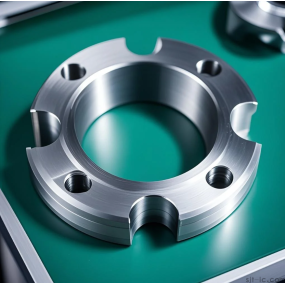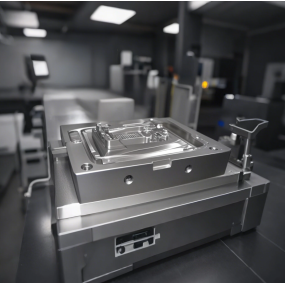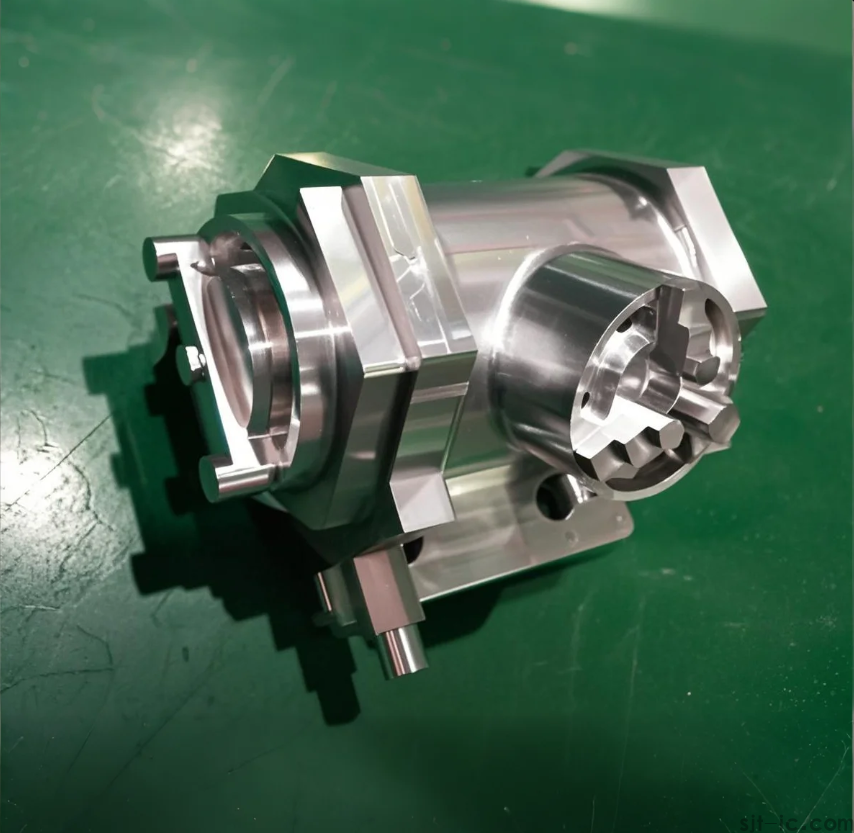
Choosing the right CNC Product Processing Manufacturer is an important decision for companies that need accurate, reliable, and cost-effective products. Whether you need consumer product parts, industrial components, or custom mechanical parts, the manufacturer you select can directly affect product quality, production speed, and overall project cost.
Many customers worry about common problems when working with CNC suppliers. They may ask: Can the manufacturer achieve the required precision? Can they control costs? Can they complete production on time? Can they handle special designs and different materials? A professional CNC manufacturer should provide clear answers through advanced technology, experienced engineers, and a complete production management system.
A reliable CNC Product Processing Manufacturer starts by working closely with customers during the design stage. Before machining begins, engineers need to understand the product’s purpose, working environment, performance requirements, and expected production volume.
For example, consumer products may require attractive appearance, lightweight structures, and excellent surface finishes. Industrial components may require higher strength, tighter tolerances, and long-term durability under heavy loads. By understanding the final application, manufacturers can suggest better designs and avoid problems before production starts.
Professional manufacturers usually review customer drawings, 3D models, and technical specifications. Their engineering teams can provide suggestions about design improvements, machining methods, and cost reduction opportunities. This customer-focused approach helps create products that meet both performance and budget requirements.
Proper material choice is one of the most important steps in CNC manufacturing. Different applications require different material properties, including strength, corrosion resistance, hardness, weight, and cost.
When discussing material selection for CNC-processed products, manufacturers consider factors such as product function, operating conditions, and manufacturing difficulty.
An experienced CNC manufacturer helps customers balance performance and cost by selecting the most suitable material for each project.
A top CNC Product Processing Manufacturer depends on advanced equipment to produce consistent and accurate parts. Modern CNC machines can perform complex operations with high repeatability, reducing human errors and improving production efficiency.
Common CNC Machining operations include:
During machining, engineers select suitable cutting tools and adjust important parameters, including cutting speed, feed rate, and depth of cut. These settings depend on the material, design complexity, and required surface quality. Proper machining parameters help improve accuracy while reducing tool wear and production costs.
Advanced machines alone cannot guarantee excellent results. A skilled engineering and production team is also essential. Experienced CNC engineers understand how to solve machining challenges, optimize production methods, and prevent potential failures.
A professional manufacturer provides support throughout the entire process, from reviewing drawings to selecting machining methods and completing final inspections. Their technicians monitor production conditions and make adjustments when necessary to maintain stable quality.
Companies such as EMAR focus on combining modern CNC technology with experienced engineering teams. By maintaining close communication with customers, EMAR helps deliver customized machining solutions for different industries and product requirements.
Many customers need products with complex structures, tight tolerances, or special features. These projects can create challenges during machining, especially when parts contain difficult geometries or require multiple operations.
Effective handling complex designs in CNC product processing requires careful planning. Manufacturers overcome these challenges by:
These methods help reduce production risks and ensure that even complex designs can be manufactured accurately.
Quality is one of the biggest concerns when choosing a CNC supplier. A trustworthy CNC Product Processing Manufacturer should have a complete quality management system that controls every production stage.
Effective quality control in CNC product processing manufacturing includes:
Precision measuring equipment, experienced inspectors, and strict production procedures help manufacturers provide stable product quality and reduce customer risks.
CNC product processing involves many challenges, including complex designs, cost control, and short delivery schedules. A professional manufacturer needs effective solutions to maintain quality while meeting customer expectations.
For complex projects, engineers improve manufacturing plans and use simulation technology to minimize mistakes. For cost concerns, manufacturers optimize material usage, reduce unnecessary operations, and improve production efficiency without lowering quality.
When customers have urgent deadlines, experienced manufacturers use efficient scheduling, reliable equipment, and skilled teams to shorten production time while maintaining accuracy.
After machining, many products require additional treatments to improve appearance, durability, or performance. These services add value and help finished parts meet specific application requirements.
Common post-machining processes for CNC-processed products include:
Offering complete post-processing services allows customers to receive finished products instead of managing multiple suppliers.
A professional CNC manufacturing process usually follows several clear steps:
The right CNC partner should provide more than machining services. It should offer engineering support, reliable communication, strict quality control, and flexible customization options.
EMAR is a reliable CNC Product Processing Manufacturer that focuses on customer needs and customized solutions. With advanced CNC equipment, experienced engineers, and a strong quality management approach, EMAR supports customers from early design discussions to final product delivery. Its ability to handle different materials, complex designs, and various production requirements makes it a suitable partner for companies looking for stable and professional CNC processing services.
When choosing a CNC manufacturer, customers should evaluate technical ability, production experience, quality systems, communication efficiency, and service capability. A dependable manufacturing partner can help reduce risks, control costs, and create high-quality products that meet market demands.