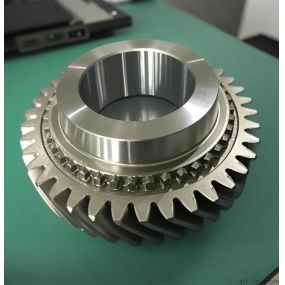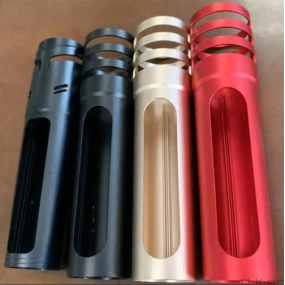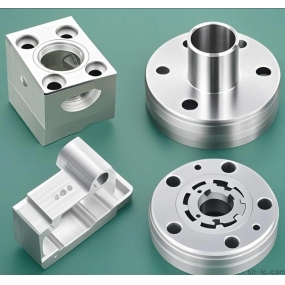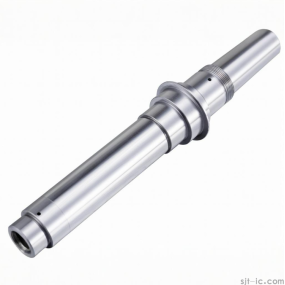

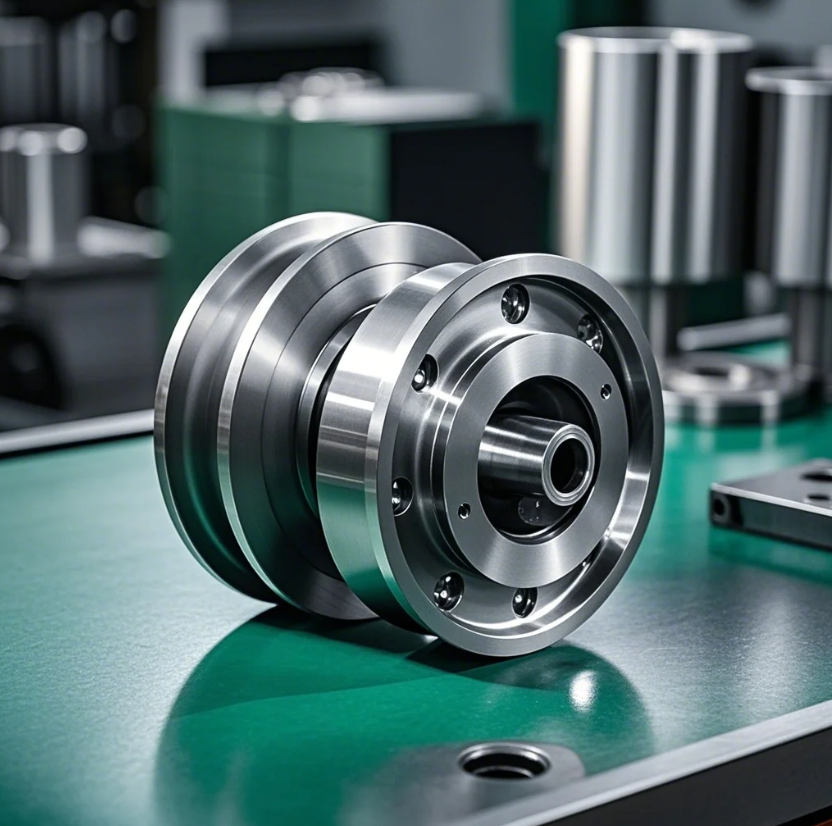
A pulley is a key mechanical component used to transfer power and motion through belts in many industries. From automotive systems and industrial machines to conveyor equipment, pulleys must provide accurate rotation, stable belt movement, and long service life. A small error in pulley size, groove shape, or alignment can cause belt slipping, vibration, noise, and early system failure.
CNC Machining Pulley production provides an effective solution for manufacturers that need high precision, consistent quality, and customized designs. CNC machining uses computer-controlled equipment to create complex pulley profiles with tight tolerances. This process helps companies produce reliable pulleys for demanding applications while controlling production costs.
Traditional pulley manufacturing methods may have limitations when producing complex designs or maintaining consistent accuracy across large production batches. CNC machining offers better control over dimensions, surface quality, and repeatability.
CNC machines can accurately produce different pulley features, including:
Because CNC equipment follows programmed machining paths, every pulley in a batch can maintain the same specifications. This is especially important for industries that require reliable performance and replacement compatibility.
Companies such as EMAR use advanced CNC machining capabilities and manufacturing experience to help customers develop pulleys with accurate dimensions, suitable materials, and stable production quality.
Good pulley performance starts with proper design. Design considerations for CNC-machined pulleys include the working environment, belt type, load requirements, and expected service life. A pulley designed for a small machine may not work well in a heavy industrial system.
The intended application strongly affects pulley design. Different industries have different requirements:
The belt type determines the pulley groove or tooth design. Common choices include:
Pulley diameter affects belt speed, torque transmission, and system efficiency. A larger diameter can reduce belt bending stress, while a smaller diameter may save space but increase belt wear.
Groove dimensions must be carefully controlled. Incorrect groove width, angle, or depth can create poor belt contact and increase the risk of slippage. For timing belt pulleys, the tooth profile must match the belt specification to achieve smooth power transfer.
Engineers should also consider:
The correct material improves pulley strength, weight, cost, and service life. Material selection for pulley CNC machining depends on the application, operating conditions, and performance requirements.
Steel is widely used for heavy-duty pulley applications because of its excellent strength and wear resistance. Steel pulleys can handle high loads and harsh working conditions, making them suitable for industrial equipment and high-power transmission systems.
Advantages of steel include:
The main disadvantage is higher weight compared with aluminum and plastic options.
Aluminum is a popular choice when weight reduction is important. It provides good machinability and corrosion resistance while being much lighter than steel.
Aluminum pulleys are often used in:
Plastic materials can provide a cost-effective solution for low-load applications. They are lightweight, corrosion-resistant, and can reduce noise during operation.
Plastic pulleys are suitable for applications where extreme strength and high temperatures are not required, such as small machines, office equipment, and lightweight automation systems.
Producing a precision pulley requires several machining operations. The selection of tools and cutting parameters directly affects accuracy and surface quality.
Turning is commonly used to create the basic pulley shape, including the outer diameter, inner bore, and stepped features. CNC lathes provide accurate roundness and concentricity.
Typical turning considerations include:
Milling is used for machining grooves, teeth, keyways, and special pulley profiles. CNC milling machines allow complex shapes to be produced with high repeatability.
Proper tool selection and cutting conditions help prevent tool wear and improve groove accuracy.
Grinding may be used after rough machining when very tight tolerances or smooth surfaces are required. It improves surface finish and helps achieve accurate fitting between the pulley and belt system.
Handling concentricity in pulley CNC machining is one of the most important quality challenges. If the pulley bore, outer diameter, and groove center are not aligned correctly, the pulley may rotate unevenly and create vibration.
Manufacturers can improve concentricity by:
Surface roughness affects belt contact, friction, and wear. A surface that is too rough may damage the belt, while a surface that is too smooth may reduce grip in some applications.
Machining parameters such as cutting speed, feed rate, tool condition, and finishing methods must be optimized to achieve the required surface quality.
Incorrect groove dimensions or tooth profiles can reduce power transmission efficiency. CNC machining allows manufacturers to control these features precisely, but careful programming and inspection are still necessary.
After machining, additional treatments can improve pulley performance. Post-machining processes for CNC-machined pulleys are selected according to material and application requirements.
Heat treatment can increase hardness, strength, and wear resistance, especially for steel pulleys used in demanding environments.
Surface coatings can protect pulleys from corrosion and wear. Common treatments may include protective coatings or surface finishing methods designed to extend service life.
For high-speed rotating applications, balancing is important to reduce vibration and improve equipment reliability. Final finishing may include deburring, cleaning, and dimensional adjustments.
Quality control in CNC-machined pulleys ensures that each pulley meets design requirements and performs reliably in real applications.
Important inspection methods include:
A professional CNC machining supplier can provide inspection records and production control information to help customers confirm product reliability.
Selecting the right manufacturing partner is important for achieving a balance between quality and cost. A reliable supplier should have experience with different materials, advanced CNC equipment, skilled engineers, and strict quality management systems.
EMAR provides CNC machining services for customized mechanical components, including precision pulleys. With experience in material selection, machining process optimization, and quality inspection, EMAR helps customers develop pulley solutions that meet performance requirements while controlling manufacturing costs.
Whether the application requires a lightweight aluminum pulley, a high-strength steel pulley, or a customized timing belt design, professional CNC machining support can help ensure accurate production and long-term reliability.
CNC Machining Pulley manufacturing offers the precision, flexibility, and consistency needed for modern power transmission systems. By carefully considering pulley design, material selection, machining operations, and quality control, manufacturers can create components that deliver efficient performance and long service life.
Understanding the complete production process helps customers make better decisions, reduce unexpected costs, and choose the right machining partner for their pulley requirements.